
1988 Atlantic hurricane season
An active Atlantic hurricane season that officially ran June 1–November 30, 1988. It produced 19 tropical depressions and included Hurricane Gilbert, which at the time was the most intense Atlantic hurricane on record.
Overview
The 1988 Atlantic hurricane season officially extended from June 1 to November 30, 1988, though tropical cyclones can develop outside those dates. In this season a tropical cyclone developed before the official start when Tropical Depression One formed on May 30. The basin was notably active that year and produced a total of 19 tropical depressions, several of which strengthened into named storms and hurricanes.
Image gallery
10 Images


Characteristics and notable systems
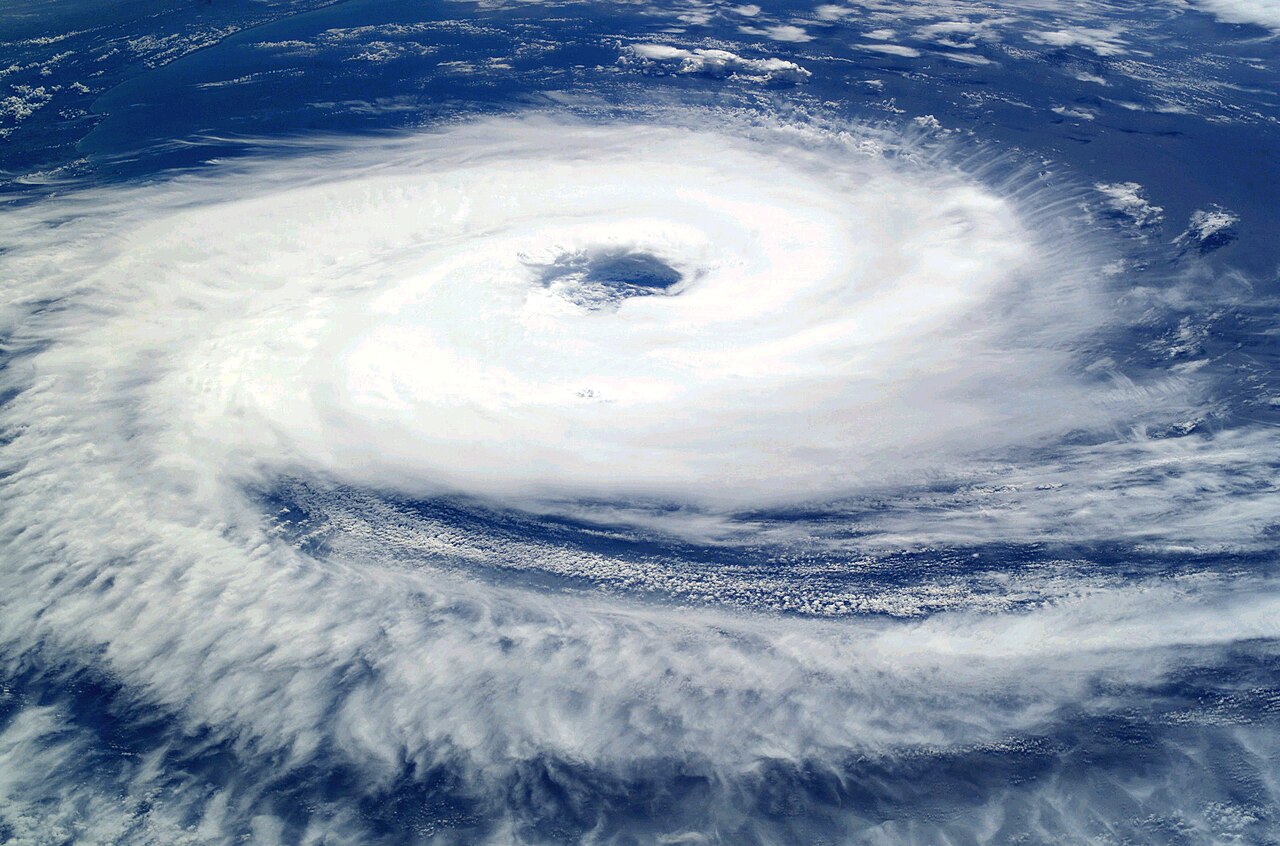
Storms in the Atlantic form from a variety of disturbances, most commonly tropical waves moving westward from Africa, and their evolution depends on sea surface temperatures, atmospheric moisture and wind shear. The 1988 season included multiple systems that brought heavy rain, coastal flooding and destructive winds to portions of the Caribbean, the Gulf of Mexico and the United States. The most prominent system of the year was Hurricane Gilbert, which was at the time the strongest hurricane recorded in the Atlantic basin and caused widespread damage where it made landfall.
Gilbert produced exceptional intensity and extensive impacts; it is remembered for its unusually low central pressure and the damage it inflicted across several countries. Other depressions and storms in 1988 produced localized flooding, storm-surge inundation and disruptions to shipping and fisheries. As with many seasons, a few systems remained short-lived and confined to open water, while others required prolonged warning and response efforts.
Context and seasonal development
The season illustrated typical tropical-cyclone behavior: many systems began as convective clusters or tropical waves, organized under favorable environmental conditions, and then either intensified or were sheared apart. The example of a pre-season formation in late May underscores that the official dates mark the climatological window for most activity but do not preclude earlier or later storms. Forecasting, warnings and emergency planning continued to evolve during this era, informed by the season’s storms and by advances in satellite and reconnaissance capabilities.
Legacy and significance
1988 stands out mainly because of the record-setting strength of Hurricane Gilbert and because the total of tropical depressions was high. The season highlighted the persistent hazard posed by tropical cyclones across the Atlantic basin and reinforced efforts to improve preparedness, building codes and post-storm relief operations. For readers seeking more details on individual storms, timelines and post-season reports, consult official summaries and storm archives available from meteorological agencies and historical compilations (season start, season end, 1988 overview, pre-season formation, Gilbert case study).
- Official season dates: June 1 to November 30.
- Pre-season activity: Tropical Depression One formed on May 30.
- Notable storm: Hurricane Gilbert, then the most intense Atlantic hurricane recorded.
- Total tropical depressions: 19.
Related articles
Author
AlegsaOnline.com 1988 Atlantic hurricane season Leandro Alegsa
URL: https://en.alegsaonline.com/art/112214