
Through the Looking-Glass and What Alice Found There
Lewis Carroll's 1871 sequel to Alice's Adventures in Wonderland: a mirror-world fantasy framed by a chess game, rich in wordplay, memorable characters, and lasting influence on literature and language.
Through the Looking-Glass and What Alice Found There is a fantasy novel by Lewis Carroll, first published in 1871 with illustrations by John Tenniel. Written as a follow-up to Alice's Adventures in Wonderland, the book sends its heroine, Alice, into a mirror-image world. That parallel realm is structured around the rules and imagery of chess and populated by a series of dreamlike episodes that combine nonsense, satire, and linguistic invention. The work is often studied alongside its predecessor for its imaginative scope and its playful use of logic and language.
Image gallery
10 Images





Structure, motifs and themes
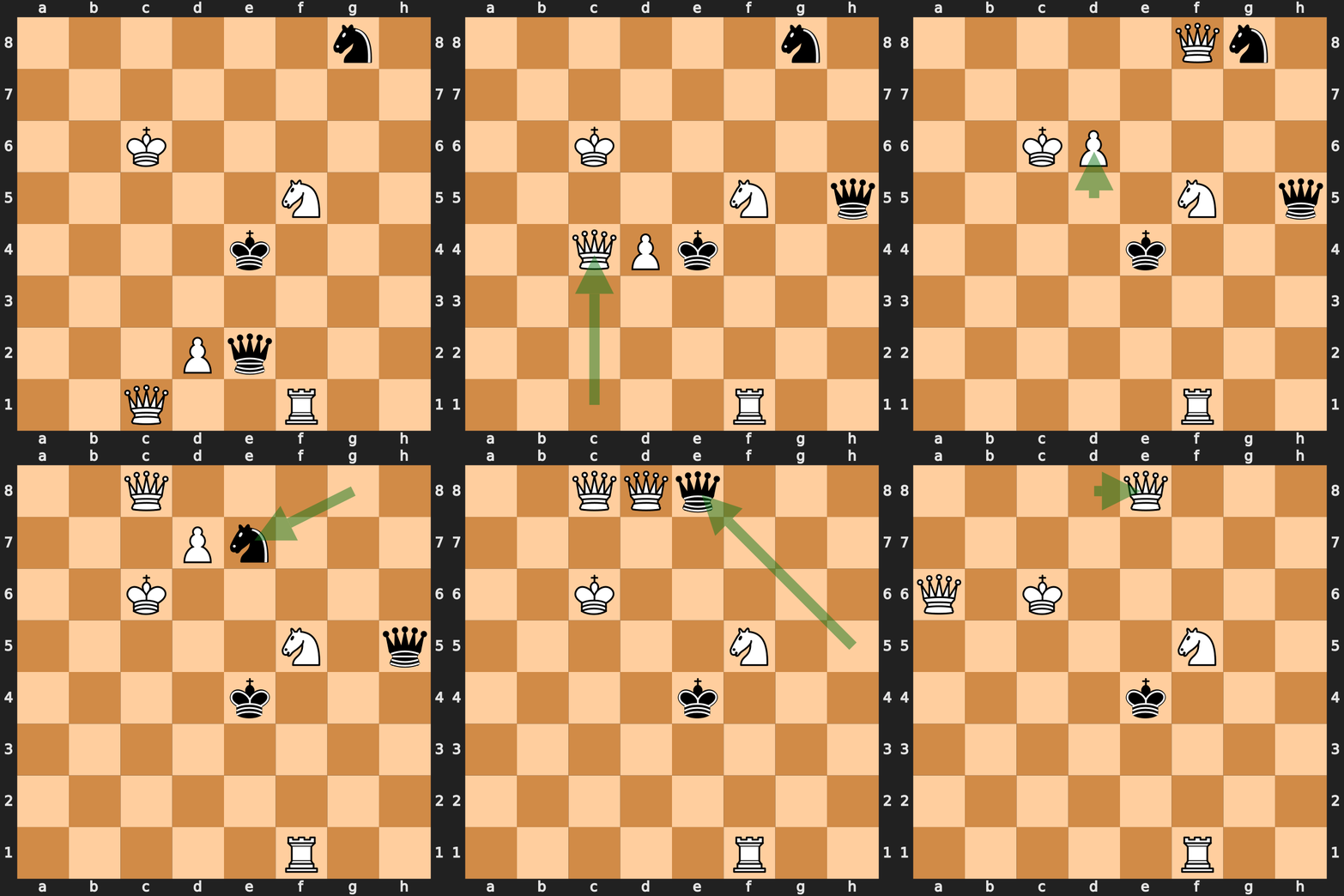
The narrative is loosely organized as a journey across a chessboard: Alice begins as a pawn and progresses through squares until she achieves the rank of queen. This underlying chess motif shapes episodes, characters and the order of events, providing an overt framework for what otherwise reads as episodic fantasy. Mirrors and inversion are pervasive motifs: the looking-glass itself reverses direction and expectation, and many encounters invert familiar rules of sense and consequence. Carroll uses these devices to explore identity, time, and the thin boundary between sense and nonsense.
Characters and memorable episodes
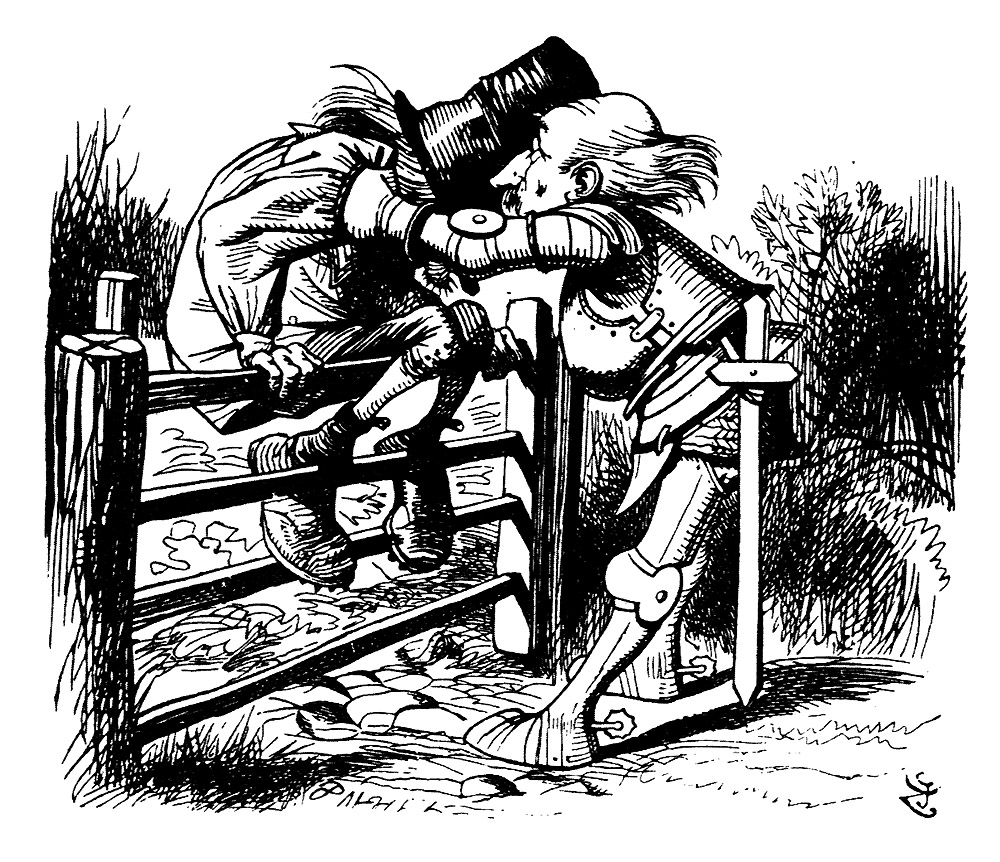
The book introduces or popularizes several characters and passages that have become iconic in their own right. Notable figures include Tweedledum and Tweedledee, the Walrus and the Carpenter, the White Knight, and the ensemble of talking flowers in the Garden of Live Flowers. Alice also encounters the White Queen, who claims to remember events that have not yet happened, and a sequence in which the Queen appears as a shopkeeping Sheep. Many episodes are structured as conversations or tableaux in which wordplay and absurd logic carry the scene.
- Famous poems and set pieces: the nonsense poem "Jabberwocky" and the narrative poem "The Walrus and the Carpenter".
- Chess and other formal motifs: the journey-as-game motif and the pawn-to-queen progression (chess), (pawn), (queen).
- Playful language: abundant puns, invented terms and so-called portmanteau words.
Carroll's linguistic experiments are among the lasting legacies of the book. He popularized the literary term "portmanteau" in explanation of blended words found in the text, and several of his coinages—most famously "chortle" and "galumph"—have entered general English usage. The playful manipulation of grammar and semantics in passages such as the dialogue of the White Queen or the chanted verses helps give the book both its comic effect and its appeal to readers and scholars interested in semantics, poetics, and child psychology.
Published by Macmillan and illustrated by Tenniel, the book followed the enormous success of Carroll's first Alice book and inspired stage adaptations, illustrations, translations and later film and television versions. Critics and readers have long contrasted the two Alice books: where the first is dominated by card imagery and dream logic, the second emphasizes mirror-inversion and the structured logic of a game. Both works, however, remain central to the Victorian legacy of imaginative children's literature.
Further reading and resources
- Publication and editions
- About Lewis Carroll (author)
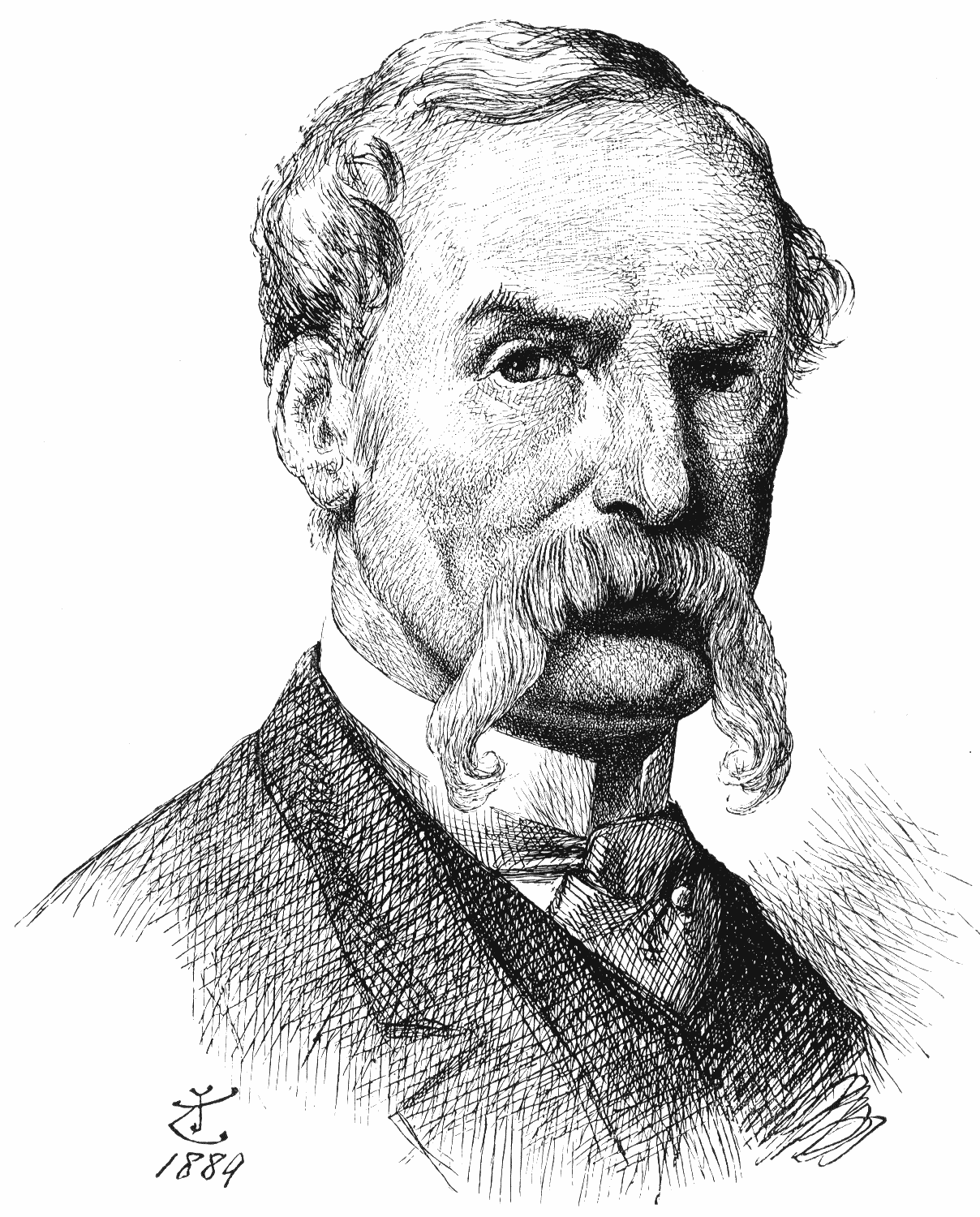
- John Tenniel (illustrator)
- Sequel and narrative relation
- Alice's Adventures in Wonderland (prequel)
- Fantasy and nonsense traditions
- Pawn (game motif)
- Chess motif and structure
- Queen (final rank)
- The looking-glass as symbolic object
- Characters and dramatis personae
- Rowing episode and jargon
- Jabberwocky and nonsense verse
- Puns and verbal play
- Portmanteau words and neologisms
Through the Looking-Glass continues to be read both as an entertaining children's tale and as a fertile text for literary interpretation. Its mixture of structured conceit and freewheeling nonsense makes it a distinctive companion piece to the earlier Alice volume and a lasting influence on language, illustration and the imaginative possibilities of children's fiction.
Related articles
Author
AlegsaOnline.com Through the Looking-Glass and What Alice Found There Leandro Alegsa
URL: https://en.alegsaonline.com/art/99680