
Fireplace: Structure, Types, History, Uses, and Safety
Overview of fireplaces covering structure and parts, major types, historical development, common uses, maintenance and safety considerations, and environmental and cultural notes.
A fireplace is a built structure designed to contain a fire for heating, cooking, light, or ceremonial purposes. Traditional fireplaces form a hearth within a room and include a firebox where fuel burns, a throat and damper to control airflow, and a chimney or flue that vents combustion gases and smoke to the outside. While the basic purpose — to hold and manage a fire — is simple, the design and technology of fireplaces vary widely according to materials, fuel and intended use.
Image gallery
10 Images
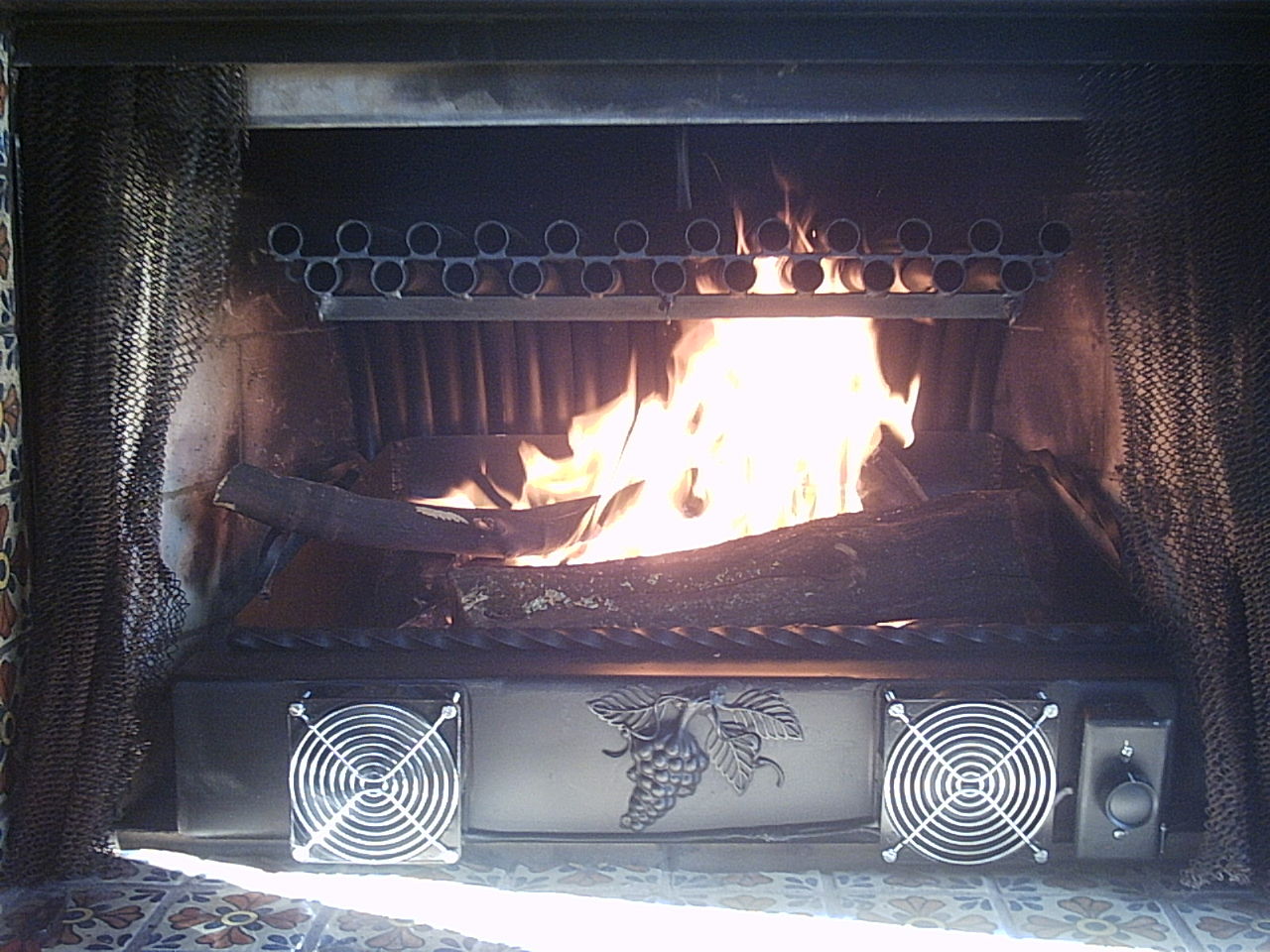


Components and common types
Most fireplaces include several distinct parts, each serving a role in safely confining and exhausting the fire's byproducts. Typical components include:
- Firebox: the chamber where wood, coal or gas burns.
- Hearth: the floor area in front of and under the firebox.
- Mantel and surround: decorative or protective framing around the opening.
- Throat and damper: control points for airflow and draft.
- Flue and chimney: vertical passages that carry smoke and gases out of the building.
Popular types include:
- Masonry fireplaces built of brick, stone or concrete.
- Factory-built metal or prefabricated fireplaces and inserts.
- Wood-burning stoves and freestanding inserts that improve efficiency over open hearths.
- Gas, electric and pellet units that mimic a traditional fireplace with different fuel sources and combustion control.
History and development
From prehistoric hearths to the central chimneys of medieval and early modern homes, the fireplace has long been central to domestic life. In many regions the hearth was the heart of a dwelling for warmth, cooking and social activity. Through the 19th century most houses had one or more fireplaces to meet basic heating and cooking needs. During the 20th century, the widespread adoption of central heating systems powered by gas, oil and electricity reduced reliance on fireplaces for primary heating; by the late 1900s new construction often treated fireplaces as optional or purely decorative features.
Modern interest in fireplaces continues, driven by aesthetic appeal, backup heating, outdoor living trends and improvements to combustion efficiency and emissions control. Contemporary inserts, sealed combustion appliances and direct-vent gas units aim to deliver heat with lower particulate emissions and better fuel economy than traditional open hearths.
Uses, maintenance and safety
Fireplaces are used for heating, occasional cooking, creating ambiance and outdoor entertaining. Because open fires release smoke and combustion byproducts, proper installation and maintenance are essential. Common safety and care practices include regular chimney inspection and sweeping to remove creosote buildup, ensuring adequate ventilation, using screens or doors to prevent sparks, and installing carbon monoxide and smoke detectors. Many jurisdictions have building codes or restrictions on wood-burning appliances, particularly in areas with air-quality concerns.
When evaluating a fireplace for ongoing use, consider efficiency, fuel availability and environmental impact. Wood releases particulate matter and carbon when burned; gas and electric options offer cleaner indoor combustion but have different lifecycle impacts. Retrofitting an old fireplace with an efficient insert or a sealed gas unit can improve performance while preserving architectural character.
Further reading and resources
For technical details, historical sources and guidance on regulations, consult authoritative resources on construction, safety and cultural history. Examples include:
- Brick and masonry construction
- Metal and prefabricated units
- Structural considerations
- Combustion and fire science
- Heating systems and energy use
- Cooking on hearths and grills
- Chimney design and venting
- Smoke, particulates and air quality
- Historical development through the 20th century
Understanding a fireplace's design and limitations helps owners use it safely and decide whether to maintain an historic open hearth, upgrade with modern inserts, or opt for an entirely different heating solution.
Related articles
Author
AlegsaOnline.com Fireplace: Structure, Types, History, Uses, and Safety Leandro Alegsa
URL: https://en.alegsaonline.com/art/34489