
Lewis Carroll (Charles Lutwidge Dodgson): life, works and legacy
Pen name of Charles Lutwidge Dodgson (1832–1898), English author, mathematician and photographer best known for Alice's Adventures in Wonderland and Through the Looking-Glass; noted for wordplay and logic.
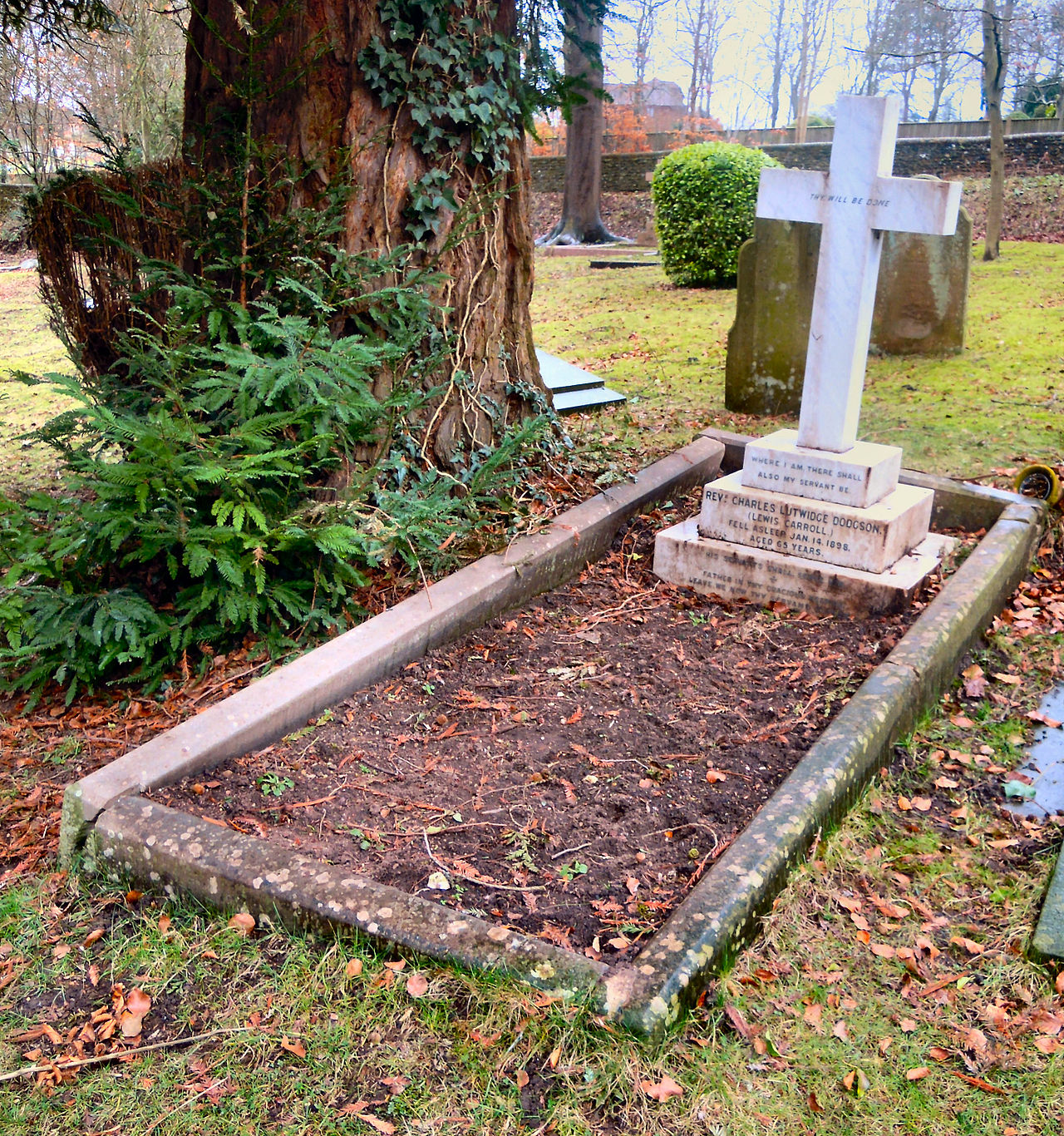
Lewis Carroll was the pseudonym adopted by Charles Lutwidge Dodgson, born in Daresbury on 27 January 1832 and died in Guildford on 14 January 1898. He combined several careers: an academic at Oxford, a skilled mathematician and logician, a writer of fiction and verse, an Anglican clergyman and an accomplished amateur photographer. The name Lewis Carroll is now inseparable from his children's books, but his life and work extend beyond those stories. He came from a Cheshire village Daresbury and spent his final years in Guildford, in Surrey.
Image gallery
10 Images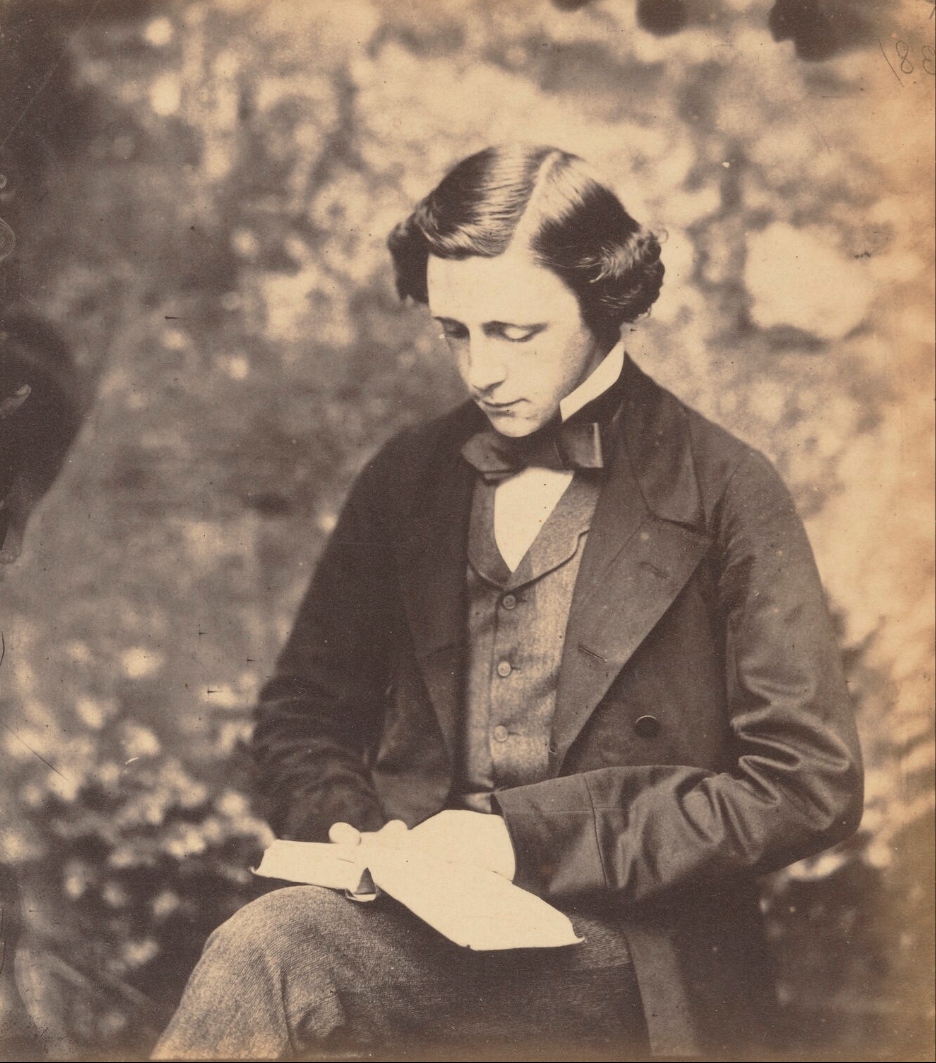




Academic career and intellectual pursuits
Dodgson was a long-serving Fellow of Christ Church, Oxford, where he was known as an Oxford don and teacher. As a scholar he lectured and wrote on mathematics and logic; his formal work addressed topics in algebra and symbolic reasoning and he produced accessible texts for students. Contemporary descriptions emphasize his mathematical gifts and interest in puzzles: he is often described in reference works as a logician and mathematician. For his Oxford affiliation see Christ Church/College links, and for his logical studies see this entry on logic and on mathematics.
Literary output and style
Lewis Carroll's best-known books, Alice's Adventures in Wonderland and Through the Looking-Glass, began as stories told to children and were expanded into books that revolutionized children's literature by mixing fantasy, playful language and rigorous internal logic. The original Alice tale was told during an outing that has become famous: a boating trip in which Carroll narrated the story to Alice Liddell and her sisters; the connection to the child who inspired the book is often noted (Alice Liddell). Themes in his fiction include mirror imagery and chess structure — motifs prominent in Through the Looking-Glass. Carroll's verse, including fanciful pieces such as 'Jabberwocky' and comic narratives like 'The Hunting of the Snark', shows his love of invented words, puns and rhythm.
Major works and examples
- Alice's Adventures in Wonderland (1865) — the first Alice book, born from a story told on a boat trip.
- Through the Looking-Glass (1871) — a sequel with chess and mirror motifs and poems such as 'Jabberwocky'.
- The Hunting of the Snark and other nonsense poems — examples of his poetic imagination.
- Nonfiction and school texts on mathematics and logic written during his fellowship at Christ Church, Oxford.
Other pursuits and later life
Dodgson was also an avid photographer at a time when the medium was emerging; he produced portraits and studies that attracted attention and remain part of his record as an artist. Photography was one of several avocations that complicated his public image; modern scholars discuss his child portraits and relationships with care, noting the need for cautious interpretation when considering Victorian norms and private papers. He served in the Church of England as a clergyman and kept up an energetic output of letters, essays and occasional pamphlets. He died after an illness of pneumonia in Guildford.
Legacy, adaptations and notable facts
Carroll's work has had a lasting influence on literature, linguistics, logic, children's culture and popular media. His approach to narrative — combining playfulness with intellectual rigor — opened new possibilities for storytelling and has inspired countless adaptations on stage, screen and in translation. Important distinguishing facts include his dual identity as Charles Dodgson and Lewis Carroll (pen name), his Cheshire origins (Daresbury), his long connection with Oxford as a Fellow (Oxford don / Christ Church), the role of Alice Liddell (Alice Liddell) in the genesis of Alice's story, and the often-discussed interplay between his mathematical/logical work (logic, mathematics) and his imaginative writing.
Selected references
- Lewis Carroll — pen name
- Daresbury — birthplace
- Guildford — place of death
- Surrey — county
- Oxford don / Fellowship
- Logic — Dodgson's interest
- Mathematics — academic work
- Poet — verse and nonsense
- Clergyman — Church of England role
- Photography — avocation
- Alice's Adventures in Wonderland
- Alice Liddell
- Boat trip — origin of the Alice story
- Through the Looking-Glass
- Christ Church, Oxford
- Pneumonia — cause of death
Questions and answers
Q: Who was Lewis Carroll?
A: Lewis Carroll was the pen name of Charles Lutwidge Dodgson.
Q: What was Dodgson's profession?
A: Dodgson was an Oxford don, a logician, a writer, a poet, an Anglican clergyman, and a photographer.
Q: What is Lewis Carroll most famous for?
A: Lewis Carroll is most famous for his story Alice's Adventures in Wonderland.
Q: Who inspired Lewis Carroll to write Alice's Adventures in Wonderland?
A: Lewis Carroll was inspired to write Alice's Adventures in Wonderland by a young friend, Alice Liddell, whom he took on a boat trip with her two sisters.
Q: Did Lewis Carroll write any other stories about Alice?
A: Yes, Lewis Carroll wrote a second story about Alice called Through the Looking-Glass.
Q: What was Dodgson's specialisation while he was a Fellow of Christ Church, Oxford?
A: Dodgson's specialisation while he was a Fellow of Christ Church, Oxford was in logic and mathematics.
Q: How did Lewis Carroll die?
A: Lewis Carroll died of pneumonia in Guildford, Surrey.
Related articles
Author
AlegsaOnline.com Lewis Carroll (Charles Lutwidge Dodgson): life, works and legacy Leandro Alegsa
URL: https://en.alegsaonline.com/art/57593
Sources
- online-literature.com : The Literature Network