
Fictional character: definition, types, history and role in storytelling
An overview of fictional characters—created persons or animals in literature, drama, film and other narratives—their types, development, history, and functions within stories and performance.
A fictional character is a created person, animal, or anthropomorphized being that appears in a work of imagination. Such figures populate a wide range of media including narrative works such as the novel, the play, television series and the movie. A character may be wholly invented, a mythic archetype, or a version of a real individual whose traits are adapted for dramatic or thematic purposes. Authors and creators use characters to embody ideas, drive action, and give readers or viewers someone to care about, judge, or follow through a plot.
Image gallery
1 Image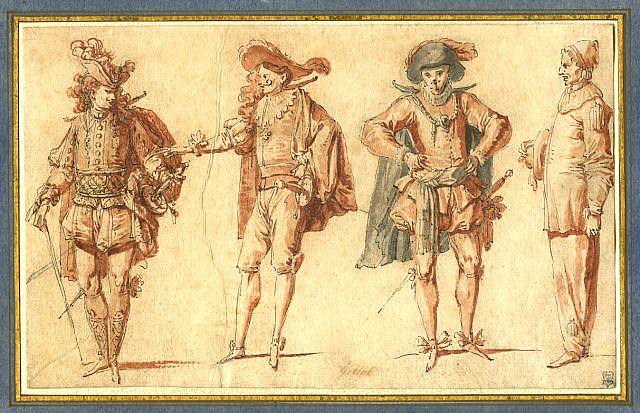
Characteristics and construction
Writers and performers shape characters through a combination of explicit description and implied behavior. Elements commonly used to define a fictional figure include physical attributes, background and history, motivations, relationships, language and speech patterns, and recurring choices or flaws. When presented on stage or screen, the work of the actor and the production design in theatre or film contribute additional layers—gesture, costume, and voice—so that the audience experiences the illusion of a living person. The process of creating and rendering a character is often called characterization.
Types and archetypes
Fictional characters range from major protagonists and antagonists to minor, supporting roles. Some common archetypes recur across cultures and eras because they simplify storytelling and signal expectations to the audience. Examples include:
- the hero or heroine whose choices drive the plot;
- the mentor or wise elder who provides guidance;
- the trickster or fool, who disrupts conventions and reveals truth through irony;
- stock roles such as the wicked step-mother, a loyal nurse, or an aging domestic worker who offers context or contrast.
History and etymology
The English term draws on an older notion of character as a marked or distinctive quality, itself ultimately deriving from an ancient Greek word for an engraving or stamp. In early modern English the word also came to mean the part an actor plays; by the 18th century the idea of a "character" as a person in fiction was well established in novels and stage drama. Over time, the phrase "in character" came to describe a convincing impersonation and the craft of developing personality on the page or stage became known as characterisation.
Functions and importance
Characters perform several functions in storytelling. They provide a focal point for readers' empathy and moral judgment, they create conflict and generate plot, and they embody themes or social critiques. Memorable characters often show complexity—contradictory desires, growth, moral ambiguity—or clear symbolic significance. In some traditions, such as allegory or fable, characters primarily represent abstract qualities; in realist fiction they more often mimic the nuances of everyday human psychology.
Distinctions and notable considerations
Not every named person in a story merits the same label: terms such as protagonist, antagonist, foil, or supporting character signal different dramatic roles. A "Mary Sue" or similarly faultless figure is a modern pejorative for an unrealistically idealized character, while an antihero lacks conventional virtues yet remains central to a narrative. In performance media, the life of a character extends beyond words on a page to the choices of performers and directors, making the boundary between textual description and portrayal an important consideration for critics and audiences alike.
For further reading on how characters are created and analyzed, many introductory texts on literary technique and dramatic theory treat characterization as a core topic; creators across mediums continue to explore new ways to make characters believable, original, and meaningful to their audiences.
Related articles
Author
AlegsaOnline.com Fictional character: definition, types, history and role in storytelling Leandro Alegsa
URL: https://en.alegsaonline.com/art/34185
Sources
- books.google.com : Historicising Transmedia Storytelling: Early Twentieth-Century Transmedia Story Worlds
- books.google.com : Novel Characters: A Genealogy