
John Tenniel (1820–1914), British illustrator and cartoonist
Sir John Tenniel, British illustrator and political cartoonist best known for his illustrations of Lewis Carroll’s Alice books and his long association with Punch; knighted in 1893.
Sir John Tenniel (28 February 1820 – 25 February 1914) was a leading British illustrator and caricaturist of the Victorian era. He is widely remembered for the drawings that accompanied Lewis Carroll’s Alice's Adventures in Wonderland and Through the Looking-Glass and for his lengthy career as a political and social cartoonist. Tenniel’s images shaped public impressions of both literary characters and contemporary figures across Britain.
Image gallery
10 Images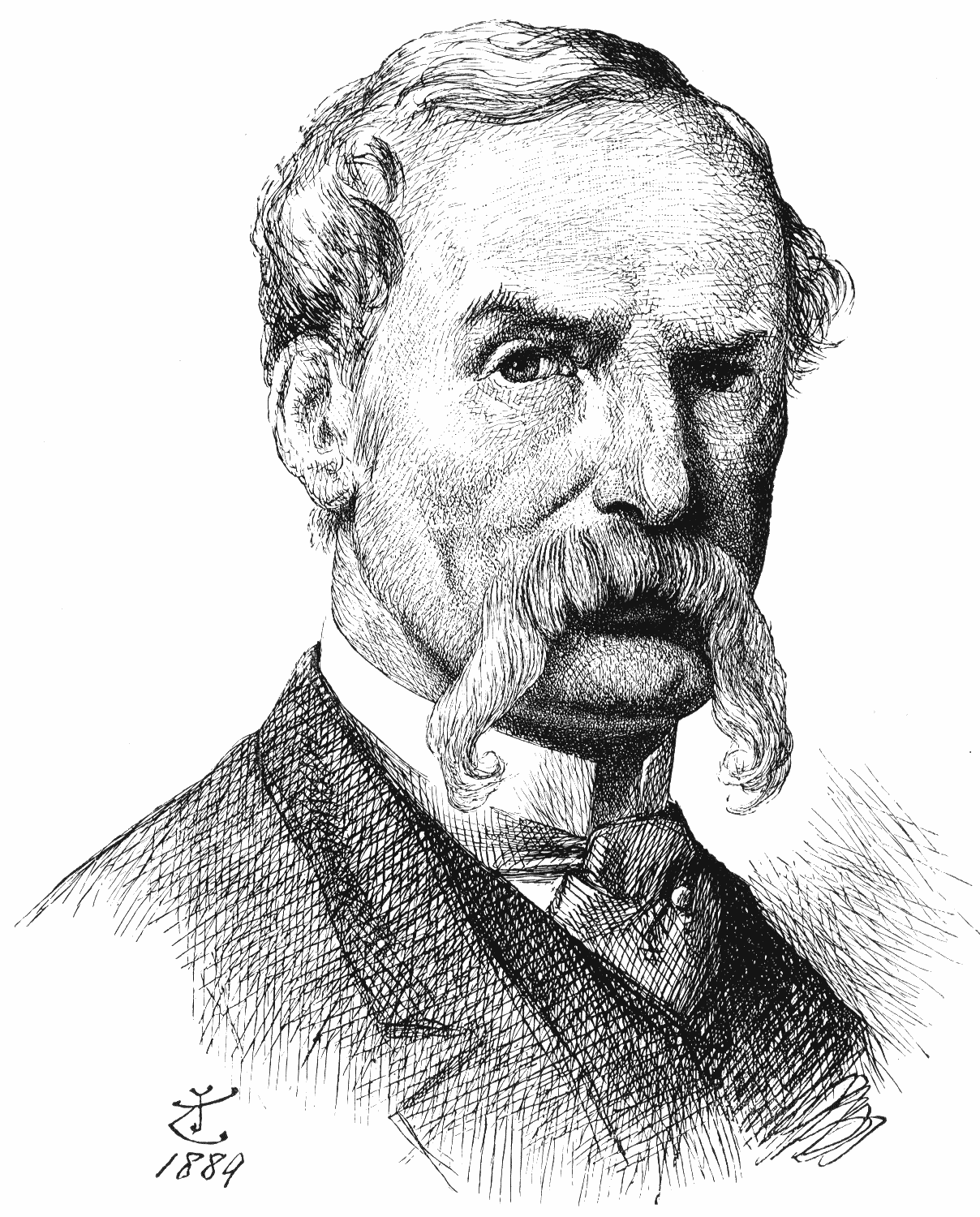




Life and career
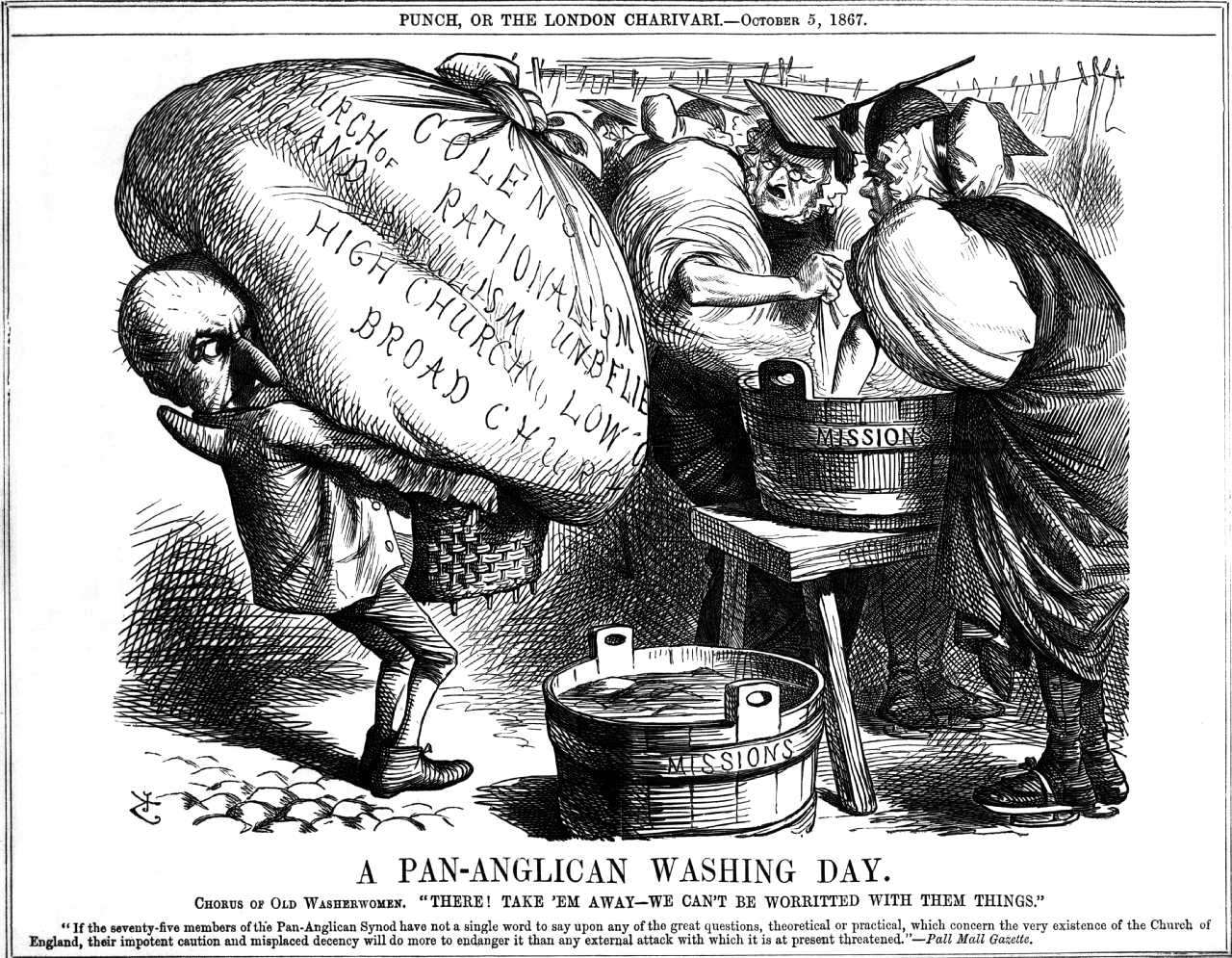
Tenniel was born and died in London. He came to prominence in the mid-19th century through magazine illustration and satirical prints. For decades he contributed cartoons and plates to the influential weekly magazine Punch, where his caricatures and topical pieces commented on politics, public life, and manners. In parallel he produced the now-iconic illustrations for Lewis Carroll’s Alice books, which remain closely associated with those stories.
Style and methods
Tenniel’s work is noted for careful draftsmanship, clean line work, and a blend of satirical edge with classical form. He typically drew in pen and ink with an attention to clear silhouette and expressive detail, creating figures that translated well into the printing processes of his day. His disciplined approach lent authority to both humorous caricature and narrative illustration, allowing his images to be reproduced widely and to endure in popular memory.
Notable works
- Alice's Adventures in Wonderland — Tenniel’s plates for this book established many of the visual archetypes for Carroll’s characters.
- Through the Looking-Glass — A second major set of illustrations that expanded his portrayal of the Alice world.
- Longstanding cartoons and political illustrations for Punch, addressing events and personalities of Victorian Britain.
Honors and legacy
Tenniel was knighted by Queen Victoria in 1893, a rare distinction for an artist of his kind and an indication of his cultural prominence; the knighthood itself is often discussed in accounts of his career (details of the honour). His illustrations influenced generations of cartoonists and illustrators and helped to fix the appearance of literary characters in the public imagination. Reproductions of his plates and later adaptations have kept his visual contributions in circulation.
Today Tenniel is studied both for his literary illustrations and for his role in the development of political cartooning. His work illustrates how illustration could shape readers’ perceptions of fiction and public affairs alike, and how a single artist’s visual language can become inseparable from widely read texts.
Related articles
Author
AlegsaOnline.com John Tenniel (1820–1914), British illustrator and cartoonist Leandro Alegsa
URL: https://en.alegsaonline.com/art/50827