
Rowing: sport, technique, boats, and competitive traditions
Rowing is the propulsion of a boat using human power through oars or sculls. This article outlines equipment, styles (sculling and sweep), boat classes, history, competitions, and why rowing remains globally popular.
Overview
Rowing is the act of moving a boat across water by applying human muscular force to oars. Practiced as both a recreational activity and an organized sport, rowing emphasizes coordination, endurance, and technique. Competitive rowing seeks to cover a set course in the shortest possible time; for more on the sport aspect see sport. The basic objective—to drive the boat efficiently and quickly—is often summarized as maximizing speed on the water goal.
Image gallery
10 Images




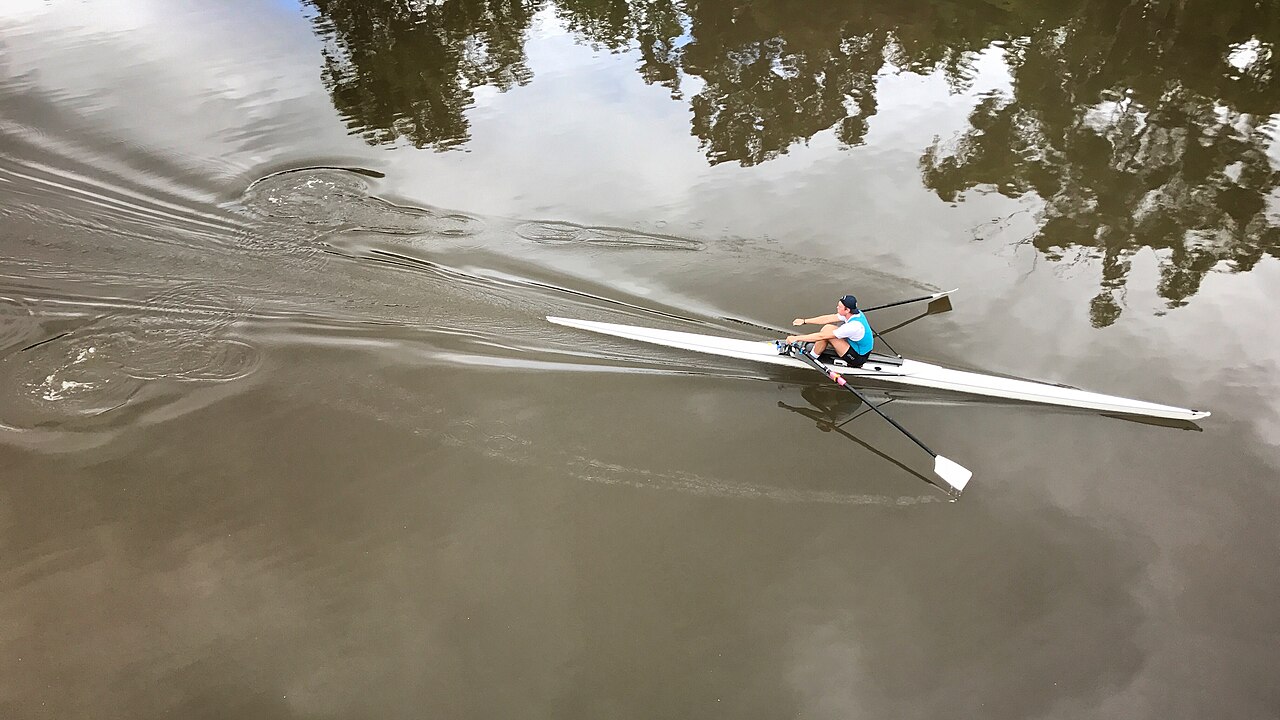


Equipment and technique
Rowing uses a hull (boat) and long poles called oars. Athletes sit in sliding seats and use their legs, back and arms to generate power. The term "rower" or "athlete" refers to those who perform the action, whether alone or in teams athletes. Boats vary by size and design; a simple description is provided below, and the general concept of the craft is discussed at boat. Oars can be used singly (sweep rowing) or as a pair (sculling) oar.
Boat classes and rowing styles
- Sculling: each rower holds two smaller oars (sculls). Common scull boats include single, double, and quadruple sculls.
- Sweep rowing: each rower handles one oar with both hands. Sweep boats include pairs, fours, and eights, and may include a coxswain to steer.
- Coxed vs. coxless: some boats carry a coxswain to steer and coordinate; others are steered by a rower using a foot-controlled rudder or by differential pressure.
History and cultural importance
Rowing has deep roots as a means of transport and work on rivers and coasts, and it evolved into an organized sport in many maritime cultures. University races and club regattas became central features of student life and local sporting calendars in places like England and the northeastern United States; longstanding rivalries and annual races contribute to rowing's traditions England.
Competitions, training, and benefits
Regattas are the typical competitive format, ranging from short sprints to longer head races. International events, national championships and university contests test speed, strategy and teamwork. Rowing training emphasizes aerobic fitness, strength, timing and technical drills; the sport is valued for its low-impact cardiovascular benefits and for promoting discipline and cooperation among crew members.
Notable distinctions
Rowing differs from paddling sports (kayak, canoe) in seating position, equipment and stroke mechanics. It is divided broadly into sculling and sweep disciplines, and boat classes are named by the number of rowers and whether a coxswain is present. Many communities maintain local clubs that teach beginners and support competitive pathways from novice to elite levels.
For introductory resources or governing body information, consult introductory sport pages and club directories using the links above: sport, goal, athletes, boat, oar, England.
Related articles
Author
AlegsaOnline.com Rowing: sport, technique, boats, and competitive traditions Leandro Alegsa
URL: https://en.alegsaonline.com/art/84392