
Sequel (fiction): continuations in books, films, plays and games
A sequel is a work that follows an earlier story—book, film, play or game—extending characters, setting or plot. Covers types, naming, history, reasons creators and audiences favor sequels, and related terms.
Overview
A sequel is a creative work that takes place after an earlier work and continues, enlarges, or revisits its events, characters or world. Sequels appear across media: a written book, a stage play, a video game, a film or other story form. A sequel's relationship to the original can be direct, following the same protagonists and a single continuing plotline, or looser, sharing the same setting or themes while telling a largely independent tale.
Image gallery
5 Images
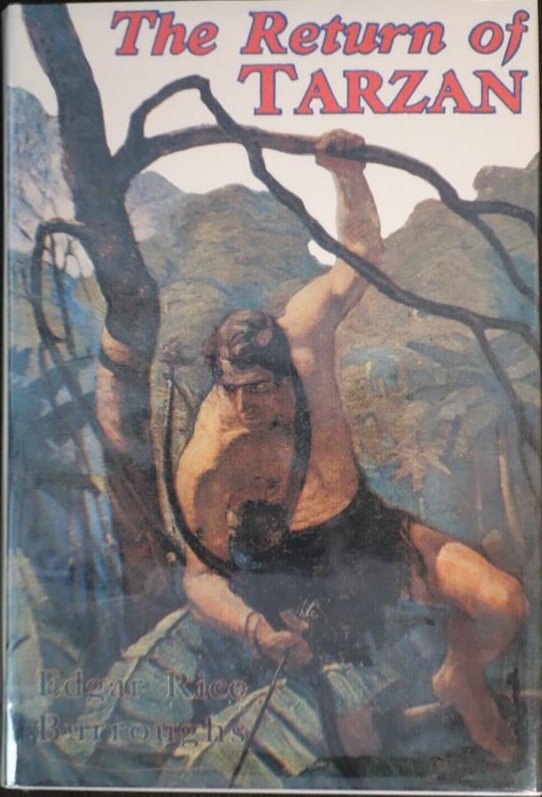



Key characteristics
Typical features of sequels include recurring characters, familiar locations, and continued plot threads. They may pick up immediately where the original left off, skip forward in time, or interleave with previously unexplored episodes. Sequels range from numbered continuations to subtitled installments; some are written so new audiences can join in, while others assume knowledge of the earlier work. Creators sometimes use sequels to deepen backstory, resolve unresolved plot points, or explore consequences of earlier events.
History and development
Continuations of earlier tales have roots in oral traditions and classical literature, where stories about the same heroes were told in multiple episodes. With the rise of print, theatre and later cinema and interactive media, sequels became formalized as distinct works marketed to readers and viewers. In the twentieth and twenty-first centuries, sequels became central to franchise-driven industries, especially film and gaming, where serialized storytelling and repeat engagement are commercially valuable.
Uses, audience and cultural importance
Sequels serve both artistic and commercial purposes. Creators may wish to expand a fictional world, examine characters' futures, or respond to fan interest. Producers and publishers often favor sequels because established properties lower marketing risk and attract returning audiences. For audiences, sequels offer extended enjoyment of beloved characters and settings, and they can deepen emotional investment or provide closure. Sequels can also influence popular culture by expanding mythologies and enabling shared universes.
Naming, types and related terms
Sequels are commonly identified by numbering or a secondary title to indicate sequence or thematic links. Related concepts include the prequel (a work set before the original), the midquel (taking place during the events of the original), spin-offs that focus on side characters, reboots that restart continuity, and standalones that revisit the same world without tight continuity. Creators must balance continuity and accessibility: sequels that rely too heavily on prior knowledge may alienate new readers, while overly standalone sequels risk disappointing long-term fans.
Notable practical considerations
When planning a sequel, authors and producers consider cast and rights, narrative scope, and whether to resolve or prolong storylines. Some sequels advance the timeline and show consequences, others retcon earlier elements to change context. Differences in regional marketing sometimes lead to alternate titles for the same sequel across countries. For further reading on how sequels function in specific media, explore resources on books, theatre, games and film industries: film, games, books, plays.
Related articles
Author
AlegsaOnline.com Sequel (fiction): continuations in books, films, plays and games Leandro Alegsa
URL: https://en.alegsaonline.com/art/88954