
Pun: wordplay that exploits multiple meanings and sounds
A pun is a form of wordplay that exploits multiple meanings, similar sounds, or ambiguous phrasing to produce humor, emphasis, or rhetorical effect across literature, everyday speech, and advertising.
Overview
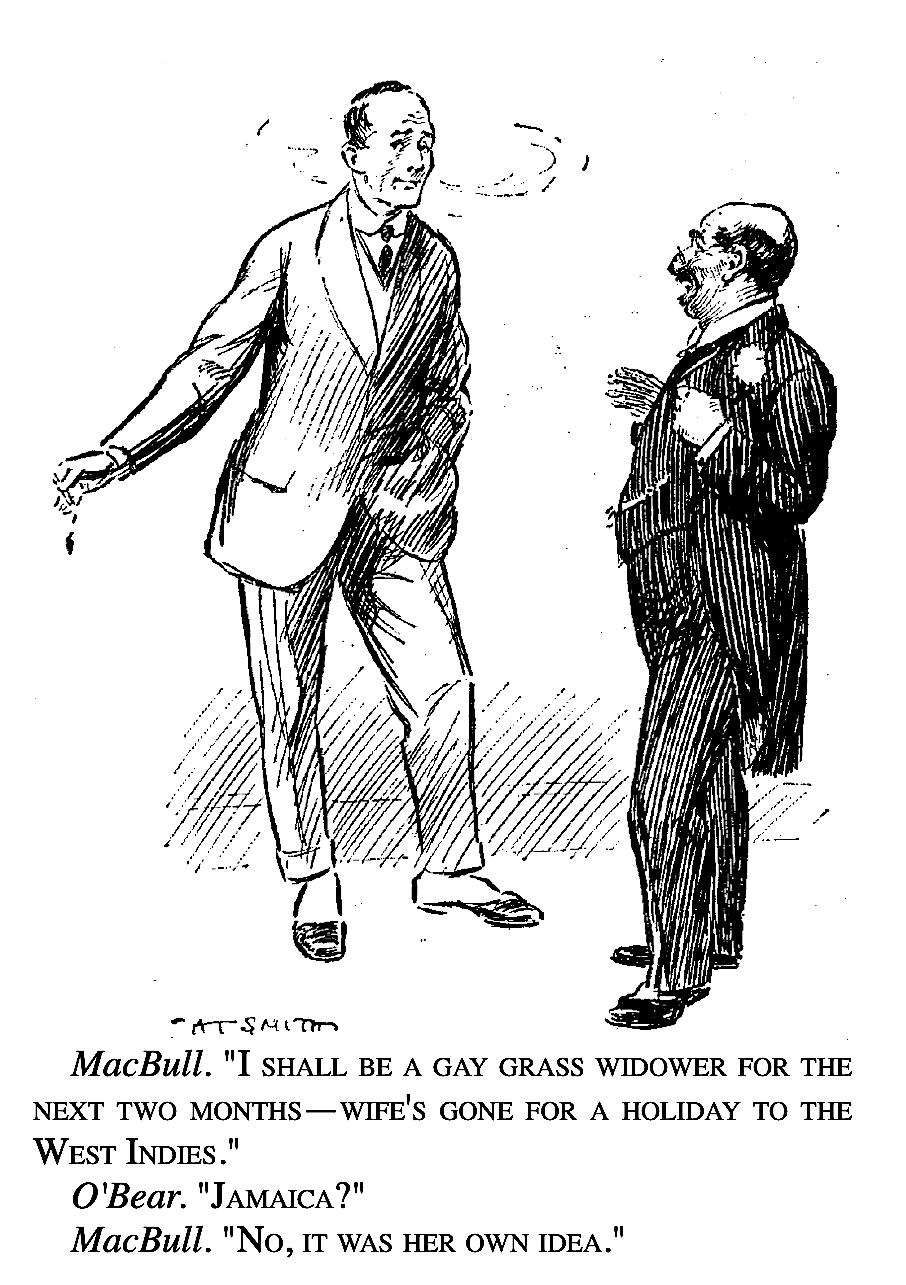
A pun is a concise, often humorous use of language that relies on ambiguity — typically words that have more than one meaning or words that sound alike. Puns appear in conversation, jokes, literature, headlines and advertising. They can be intentionally clever, deliberately groan-inducing, or accidental when a speaker unknowingly utters a phrase with two senses. Because puns hinge on interpretation, they function as a form of linguistic play as well as a rhetorical device.
Image gallery
7 Images





Common techniques and types
Writers and speakers achieve punning effect in several recognizable ways. Important types include:
- Homophonic puns — exploiting words that sound the same but have different meanings (for example, using "son" and "sun"). This technique is common in languages rich with homophones and is often used for jokes and slogans.
- Homographic puns — playing on a single spelling that carries two senses (for instance, "bear" as an animal and "bear" meaning to carry).
- Paronymic puns — depending on similar but not identical sounds (a near-rhyme or deliberate mispronunciation) to create a humorous shift.
- Double entendre — a phrase with one straightforward meaning and another risqué or ironic interpretation; it often relies on context rather than exact sound equivalence. This crosses into metaphorical use and suggestive humor.
- Phonetic alteration and malapropism — changing pronunciation or selecting a wrong but similar-sounding word for comic effect.
History and cultural presence
Punning is an ancient feature of human language and appears in many traditional literatures. Well-known playwrights and poets have used puns for character, comedy, and layered meaning; audiences today still note puns in classical drama and modern novels alike. Famous practitioners, often cited for their playful or elaborate wordplay, include writers who deliberately embed multiple readings in dialogue and narrative. The form also flourished in orally transmitted joke traditions and in printed collections that spread popular puns across communities.
Uses, examples, and effects
Puns serve several purposes beyond merely provoking laughter. Advertisers exploit them to make brand names and slogans memorable. Comedians and writers use puns for timing and surprise. Puns can also condense a complex idea into a small verbal twist, giving a line rhetorical punch or irony. Common examples include short jokes and knock-knock formats; one playful knock-knock exchange uses deliberately altered speech to suggest false teeth: "Knock-knock." "Who’s there?" "Dishwasher." "Dishwasher who?" The answer mimics slurred speech to convey an earlier pronunciation.
Another classic joke plays on phrasing: a man sends ten different puns to friends hoping one will land; the punchline, "no pun in ten did," uses the sequence itself to form the pun. Everyday speech yields accidental puns too: saying a new naval recruit "sailed through his exams" combines a literal association with sailing and the idiomatic meaning of doing something easily. Similarly, when a parent hopes a family member can "bring home the bacon," the phrase can be read both as earning money and as a culinary reference, depending on context.
Cross-linguistic notes
Some languages lend themselves more readily to punning because of large numbers of homophones or flexible phonology. For example, tonal languages and those with many homophones provide fertile ground for layered meanings; cultural practices also shape how puns are perceived and used. Playfulness with sound and sense is universal, but the specific forms and social reactions differ: what counts as witty wordplay in one language might be obscure or impossible in another.
Reception, criticism, and notable facts
Puns frequently split audiences: some listeners appreciate the cleverness and economy of meaning, while others groan at perceived triviality. In English-speaking cultures there is a long tradition of both celebrating and lampooning puns; authors are sometimes praised for verbal dexterity and at other times mocked for relying on lowbrow wordplay. Well-known literary figures have used puns extensively in works that range from children's fantasy to stage comedy. For further reading on wordplay and its varieties, see pages on knock-knock jokes, language differences like languages and homophones, the role of the Chinese language in tonal punning, rhetorical devices such as metaphor, and cultural references including the Navy, culinary idioms like bacon, and humorists such as Lewis Carroll.
Puns remain an accessible, adaptable form of linguistic creativity: they invite listeners to switch perspectives, notice ambiguity, and enjoy the multiple lives words can have in a single utterance.
Author
AlegsaOnline.com Pun: wordplay that exploits multiple meanings and sounds Leandro Alegsa
URL: https://en.alegsaonline.com/art/80047