
Therizinosaurus — the giant clawed maniraptoran of the Late Cretaceous
Therizinosaurus was an unusually built, large herbivorous maniraptoran dinosaur of the Late Cretaceous, notable for enormous hand claws, a long neck and its role in revealing theropod diversity.
Overview
Therizinosaurus is an unusual and striking dinosaur from the Late Cretaceous of Asia best known for its enormous, scythe-like manual claws. For decades it puzzled scientists because early remains were fragmentary and its anatomy combined features seen in very different kinds of animals. Research since the 1990s, aided by better-preserved relatives, now places Therizinosaurus within the maniraptoran theropods, the same wider group that includes birds and many feathered dinosaurs.
Image gallery
10 Images



Anatomy and size
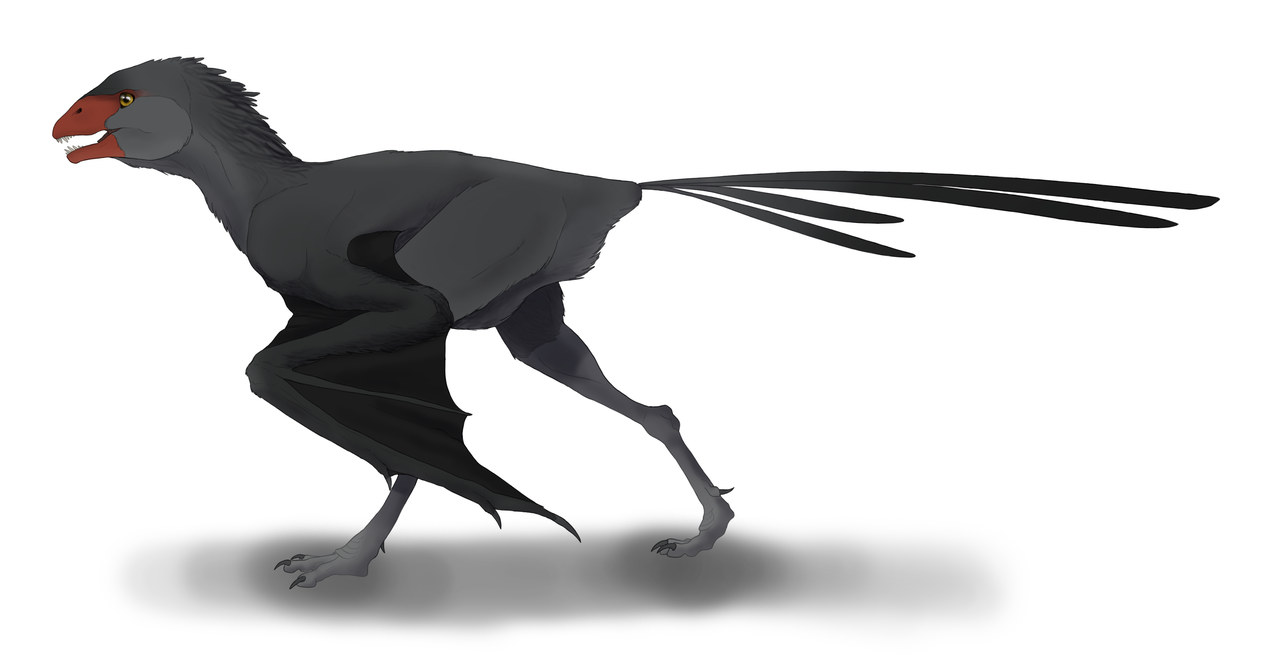
The known elements of Therizinosaurus indicate a long neck, a relatively small head, and a broad, deep body that would have housed a large gut. Forelimbs were proportionally long with a hand bearing three massively elongated claws that dominate popular images of the animal. Postcranial features such as a bird-like pelvis and aspects of the wrist and foot align it with maniraptorans. Complete skeletons of close relatives show a mix of primitive and derived characters including feathers or feather-like integument in some species.
Claws: form and possible function
The claws of Therizinosaurus were exceptionally long and flattened in cross section, giving them a sickle-like appearance. Various functions have been proposed: they could have been tools for pulling down branches and gathering plant material, weapons for defence against predators, or visual displays in social interactions. Because the claws are so large and the animal had a bulky, probably slow-moving body, most researchers favour primarily non-predatory functions such as foraging and defence rather than active predation.
Diet and feeding
Although originally inferred by some workers to be carnivorous because it belonged to theropods, evidence from related, better-known taxa points to herbivory or omnivory. Leaf-shaped teeth, a beak-like front of the jaws in relatives, and a wide gut space suggest adaptation to a plant-rich diet, possibly supplemented by roots, seeds or invertebrates. As with many extinct animals, precise dietary habits are inferred from related species and available anatomical clues rather than direct observation.
Discovery and interpretation history
Remains now attributed to Therizinosaurus were first collected in the mid-20th century in Asia and the taxon was named in the 1950s after additional bones were found. Early descriptions were hampered by the fragmentary nature of the material and produced a range of interpretations, including comparisons to turtles and to large carnivores. Improved fossil discoveries in the late 20th century, notably reasonably complete relatives, clarified its place among maniraptoran theropods and its herbivorous adaptations.
Relationships and evolution
Therizinosaurus belongs to the therizinosaur clade, often treated at family rank as Therizinosauridae within Maniraptora. Members of this group illustrate an important evolutionary pathway in which a lineage of primarily carnivorous theropods evolved specialised features for a plant-eating lifestyle while retaining bird-like hips, wrists and other maniraptoran traits. The group is significant for understanding dietary and functional diversity among theropods.
Paleoecology and significance
Therizinosaurus lived in ecosystems shared with other dinosaurs, mammals and reptiles of the Late Cretaceous. Its unique combination of traits shows how flexible theropod evolution could be and challenges simple associations between theropods and strict carnivory. The taxon continues to be important in studies of the origin of herbivory among theropods and of the broader evolutionary transitions that produced the bird lineage.
Further reading and resources
- theropod — background on the wider group of mostly bipedal dinosaurs
- dinosaur — overview of the dinosaur clade
- Cretaceous — geological period when Therizinosaurus lived
- Alxasaurus — an important, better-preserved relative
- Beipiaosaurus — a relative known for feather impressions
- pelvis — bird-like pelvic anatomy relevant to maniraptorans
- skull — skull and tooth features found in relatives
- fossils — how fragmentary and complete remains affect interpretation
- Asia — continent where key specimens were discovered
- bones — notable elements that informed early descriptions
- carnivore — contrast to early, incorrect ideas of diet
- herbivore — current understanding of its feeding ecology
The study of Therizinosaurus continues to benefit from new discoveries and comparative work on related species, and it remains one of the more evocative examples of how major dietary and functional shifts can evolve within a single dinosaur lineage.
Related articles
Author
AlegsaOnline.com Therizinosaurus — the giant clawed maniraptoran of the Late Cretaceous Leandro Alegsa
URL: https://en.alegsaonline.com/art/99289