
Alxasaurus — an Early Cretaceous therizinosaur
Alxasaurus, meaning "Alxa lizard", is a small therizinosaur theropod from the Early Cretaceous of Inner Mongolia known from several partial skeletons; it sheds light on the transition to herbivory in theropods.
Alxasaurus ("Alxa lizard") is a genus of small to medium-sized therizinosaur that lived during the Lower Cretaceous. It is classified among the unusual group of theropods known as therizinosaurs, which evolved a primarily plant-eating way of life despite their ancestry in carnivorous theropods. Fossils attributed to Alxasaurus come from the Alxa (Alashan) region of Inner Mongolia.
Image gallery
10 Images


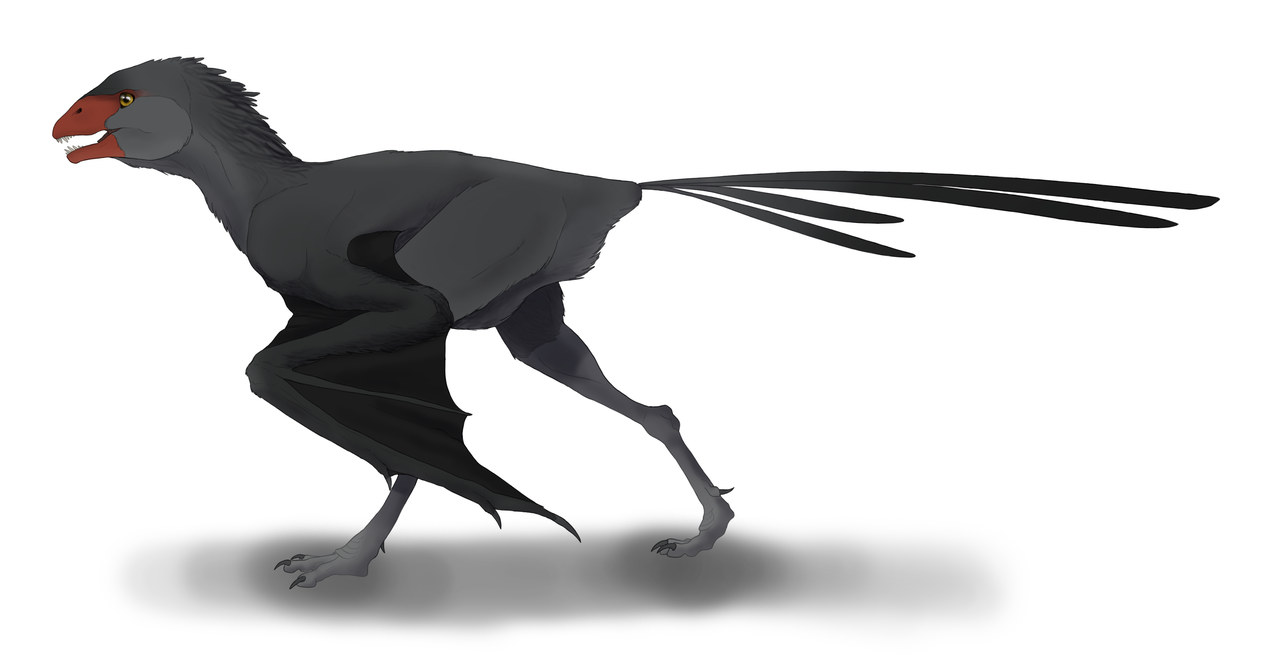

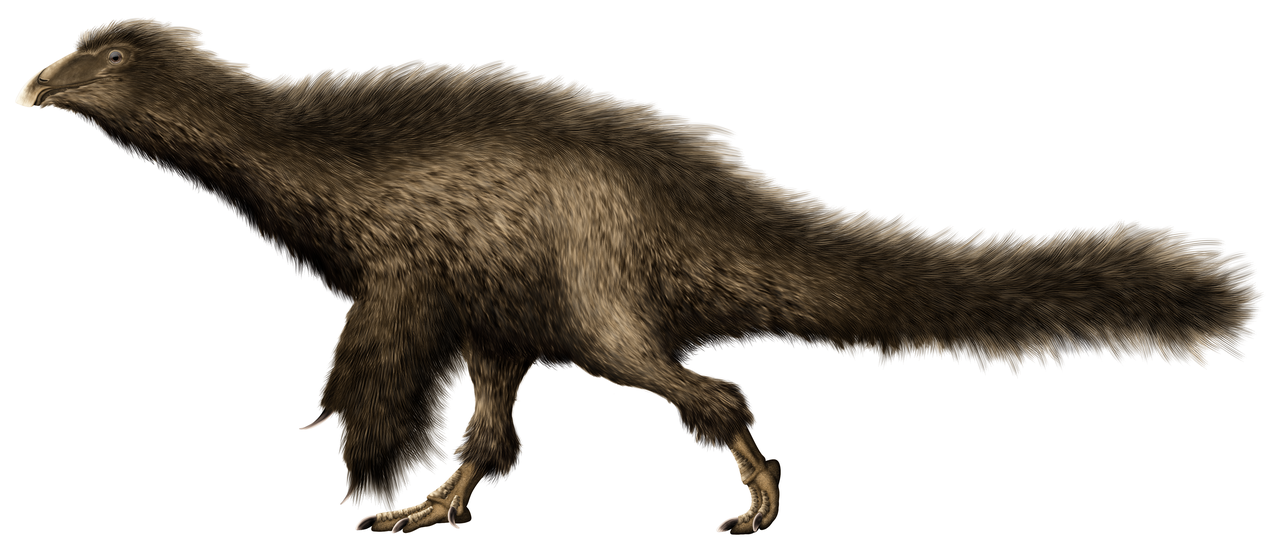



Physical characteristics
Alxasaurus was roughly 3.5–4 metres long and had a bulky body with several distinctive features that mark therizinosaurs. Its anatomy combined primitive theropod traits with specializations for herbivory. Key features include:
- Relatively long neck and stout torso supporting a large gut for processing vegetation;
- Broad, leaf-shaped teeth and jaw adaptations consistent with cropping and chewing plant material;
- Large, recurved manual claws on long hands — probably used in foraging, defense, or display;
- Robust pelvis and reduced tail compared with many carnivorous theropods, indicating a shift in center of mass and locomotion.
Diet, behavior and integument
Although direct stomach contents are not known for Alxasaurus, its teeth and jaw structure indicate herbivory or omnivory. The long arms and prominent claws are interpreted as tools for pulling down branches or stripping foliage. Because related early therizinosaurs preserve filamentous integumentary structures, it is plausible that Alxasaurus bore simple feathers or protofeathers, although such preservation has not been reported for this genus specifically.
Discovery and scientific importance
Several partial skeletons of Alxasaurus have been recovered from Early Cretaceous deposits in the Alxa region. These specimens revealed a blend of ancestral theropod and derived herbivorous traits, helping paleontologists trace how some theropods transitioned to plant-eating lifestyles. Alxasaurus occupies an important position in therizinosaur evolution as a more basal representative than the later, giant forms.
Comparatively smaller than the enormous Therizinosaurus, Alxasaurus illustrates the early stages of body-plan changes that characterize the group: enlarged hands and claws, broadened pelvis, and dental adaptations. Continued study of its fossils contributes to understanding ecological diversity in Cretaceous Asian ecosystems and the broader story of dietary shifts within theropods.
Related articles
Author
AlegsaOnline.com Alxasaurus — an Early Cretaceous therizinosaur Leandro Alegsa
URL: https://en.alegsaonline.com/art/3173