
Threat display
Threat displays are behaviours or signals animals use to deter rivals or predators by appearing dangerous, larger, or otherwise undesirable to attack; they are widespread and often ritualized across species.
A threat display is any behaviour or signal an animal produces to discourage attack or intrusion by another organism. Rather than immediately engaging in combat, many species use visual, auditory, chemical or tactile cues to communicate dangerousness, aggression or unprofitability to a challenger. Threat displays reduce the frequency and cost of physical fights by promoting retreat, avoidance or submission.
Image gallery
10 Images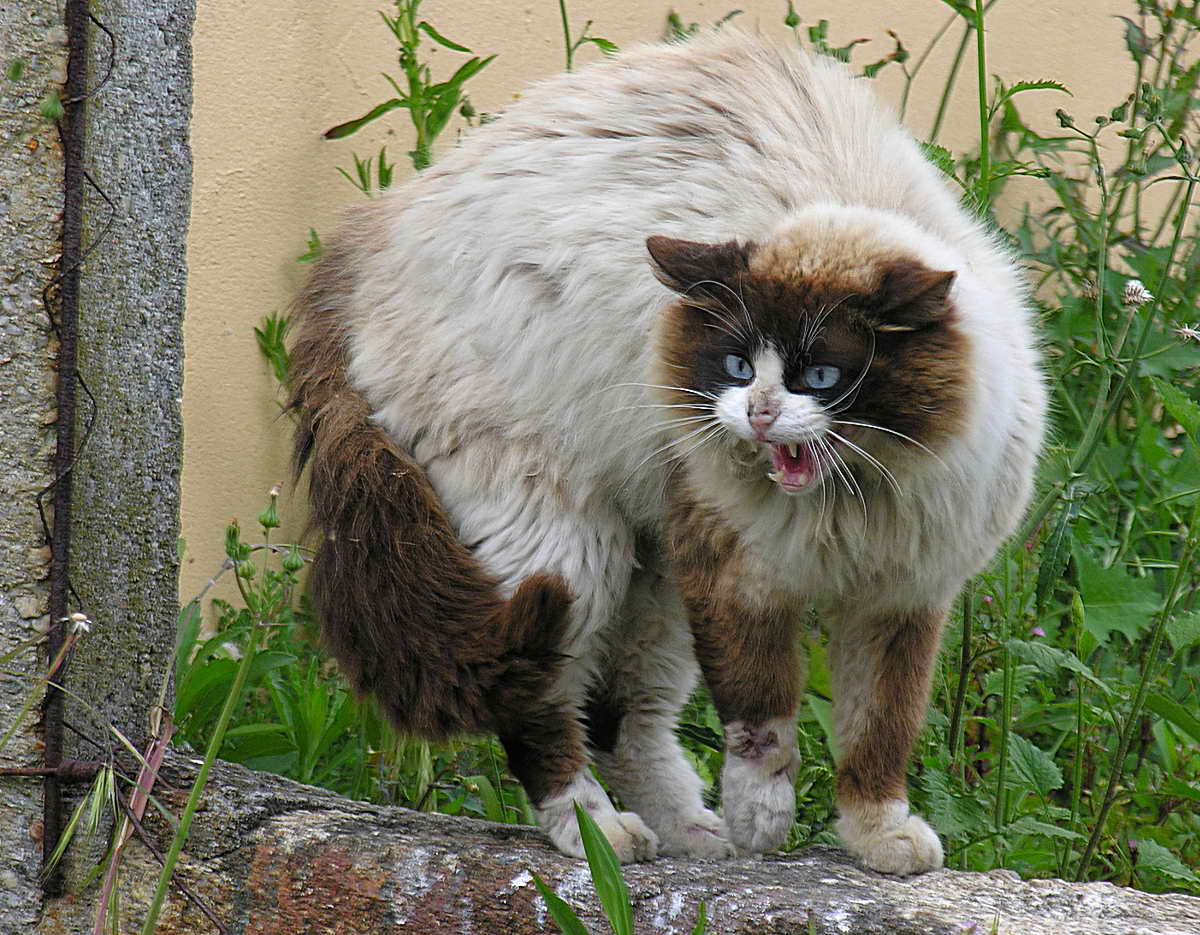




Common elements and modalities
Threat displays rely on one or more sensory channels and often exaggerate traits that imply strength, size or readiness to fight. Typical components include:
- Visual: making the body appear larger (piloerection in mammals, inflation in fish), showing weapons (bared teeth, exposed claws) or adopting conspicuous postures (raised limbs, flank display).
- Auditory: growls, hisses, roars, or other sounds that signal aggression or size.
- Chemical: releasing odors or venom-associated cues that warn predators or competitors.
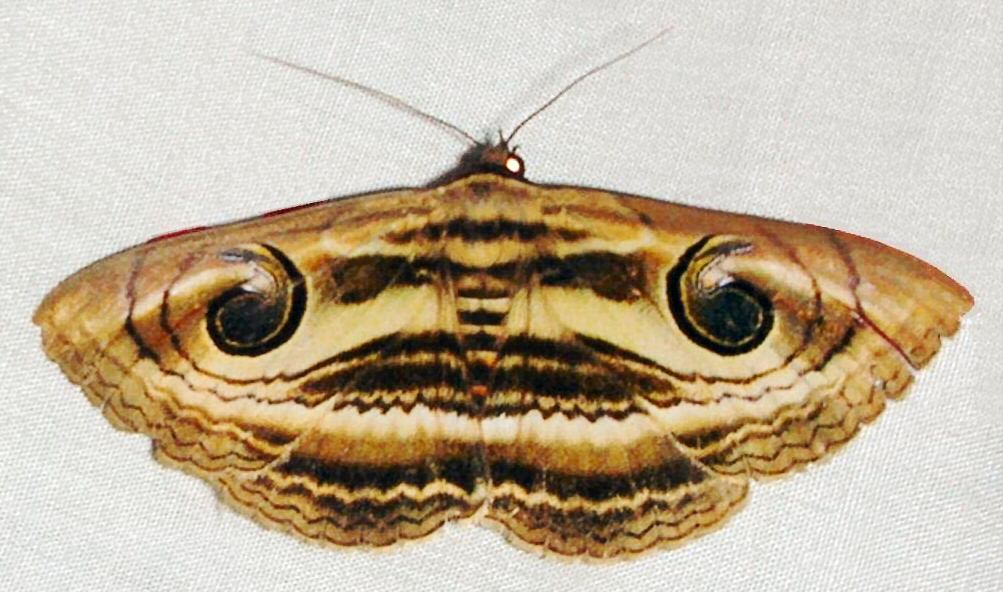
- Color and pattern change: rapid darkening, flashing, or contrasting markings that startle or advertise threat (seen in cephalopods, some reptiles and fishes).
Many displays combine modes — for example, a bear may stand tall (visual), growl (auditory) and expose teeth (visual weapon). Multimodal signals tend to be more effective across different distances and environmental conditions.
Evolutionary role and ritualization
Threat displays are shaped by natural selection because they lower the costs of resolving contests. Over evolutionary time many aggressive acts have become ritualized: an originally dangerous movement is modified to signal intent without causing injury. Ritualization increases clarity and reduces risk, allowing animals to assess opponents and often settle disputes without escalation.
Functions and examples
Displays serve several functions: deterrence of predators, resolution of dominance disputes, protection of territories or resources, and sometimes mate competition. Examples include a snarling dog that bares teeth, a cat that arches its back and hisses, a snake rearing and vibrating its tail, a pufferfish inflating its body, and the frill-necked lizard flashing its frilled collar. Humans also use threat gestures, such as raised arms or loud shouts, which operate on the same principle of intimidation and communication.
Importantly, threat displays may be honest (costly or hard-to-fake indicators of fighting ability) or deceptive (bluffs). Receivers weigh signals against context, past experience and the likely costs of escalating a contest. This interplay of signalling and evaluation underpins much social behaviour across animal taxa.
Related articles
Author
AlegsaOnline.com Threat display Leandro Alegsa
URL: https://en.alegsaonline.com/art/99626