
Beipiaosaurus — a feathered therizinosaur of the Early Cretaceous
Beipiaosaurus, from the Yixian Formation of Liaoning, China, is an early therizinosaur known for primitive feathers, a beak with cheek teeth, and insights into theropod herbivory and feather evolution.
Overview
Beipiaosaurus is a genus of therizinosaurian theropod dinosaur known from the Early Cretaceous rocks of northeastern Asia. Its fossils were recovered from the Yixian Formation near Beipiao in Liaoning Province, China. The animal is notable for a combination of unusual features: an elongated torso, a set of broad, leaf-shaped teeth toward the back of the jaws, a horny beak at the front, long forelimbs with large claws, and coverings of simple, primitive feathers.
Image gallery
10 Images




Anatomy and integument
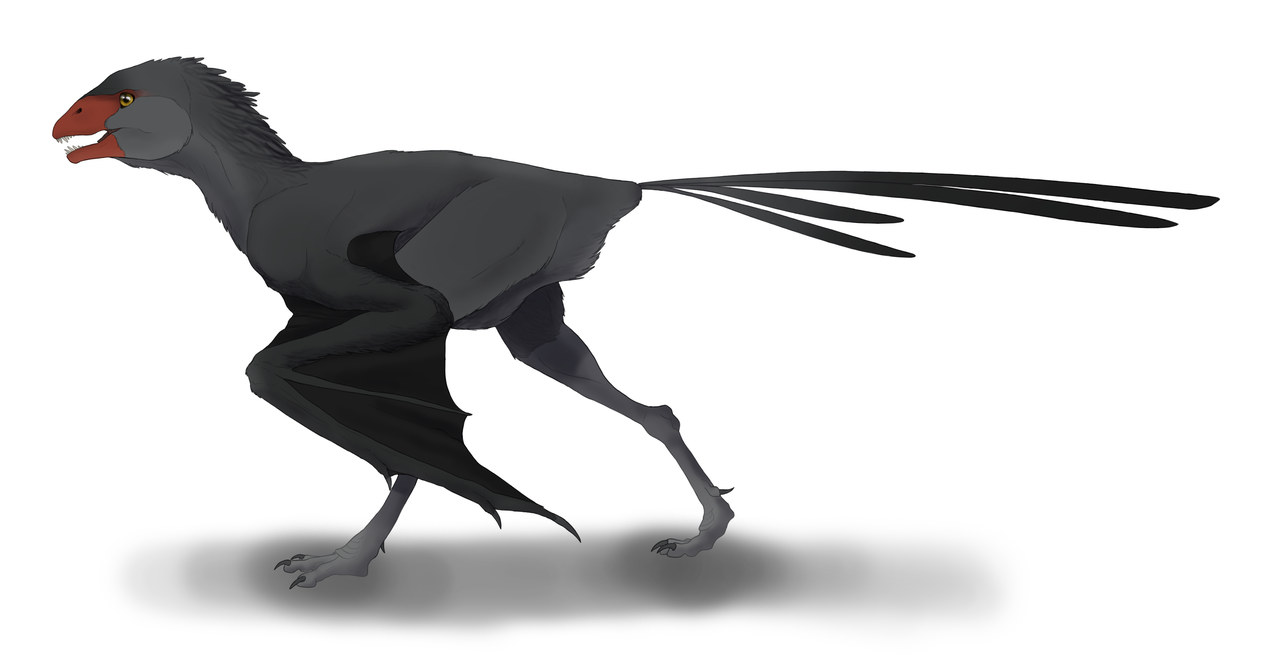
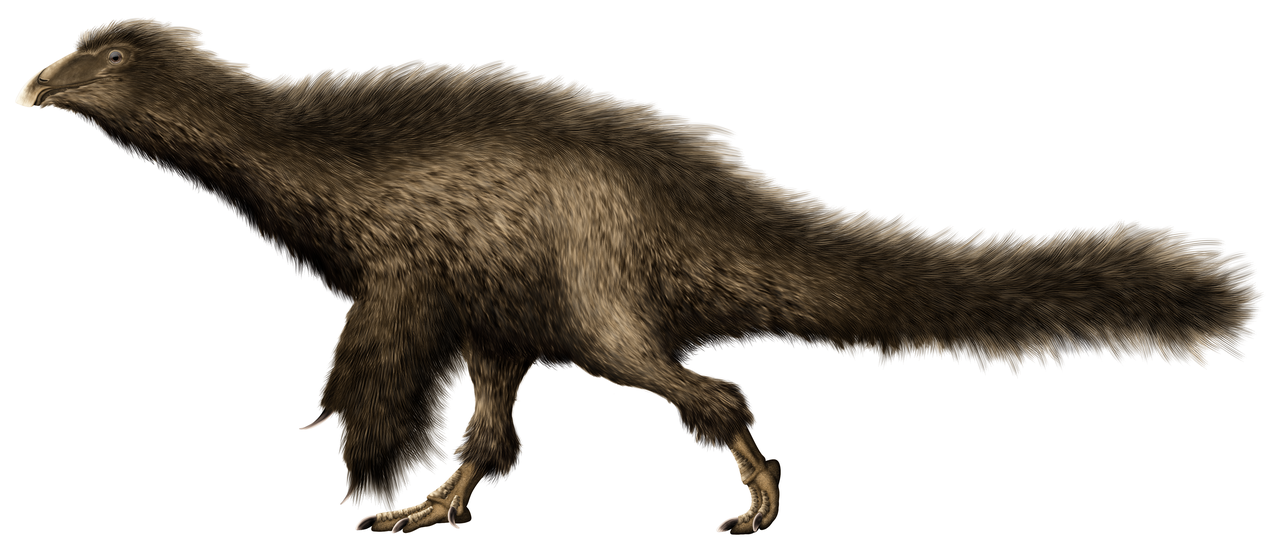
Beipiaosaurus shows the distinctive body plan of therizinosaurs: a relatively small head, long neck, bulky body, and stout hind limbs. The forelimbs bore large manual claws that were likely used for foraging. Rather than the typical meat-slicing teeth of many theropods, Beipiaosaurus had reduced, leaf-shaped teeth suited to processing plant material and a beak-like front of the jaws that may have aided cropping vegetation. Important specimens preserve filamentous protofeathers of more than one type: a downy, hair-like covering and longer, branching filamentous structures. These integumentary remains provide key evidence about the early evolution of feathers within theropods.
Discovery and age
Described from fossils found near the city of Beipiao, Beipiaosaurus comes from strata that are dated to the Early, or Lower, Cretaceous period, around the time when many feathered dinosaurs are known from northeastern China. The geological context in the Yixian Formation has yielded exceptional preservation, including impressions of soft tissues and feathers, allowing paleontologists to reconstruct both skeletal anatomy and parts of the animal's external covering.
Ecology and significance
Beipiaosaurus is interpreted as primarily herbivorous or omnivorous, part of a wider trend in which several groups of theropods evolved plant-eating habits. Its mix of primitive and specialized traits helps paleontologists trace the transition from carnivorous ancestors to the unusual body plans of derived therizinosaurs. The preserved protofeathers have been central to discussions about how feathers diversified before being co-opted for flight in other lineages.
Key characteristics
- Therizinosaur affiliation: placed within the unusual clade of theropods sometimes called therizinosaur dinosaurs due to shared skeletal features.
- Theropod heritage: descended from meat-eating theropod ancestors despite later plant-eating adaptations.
- General classification: part of the broader group of dinosaur diversity that thrived in the Mesozoic era.
- Age context: fossils come from the Lower Cretaceous, a time of rapid dinosaur diversification.
- Provenance: discovered in Liaoning, a province known for exceptionally preserved early bird- and feather-bearing fossils.
Together, the anatomical details and feather impressions of Beipiaosaurus contribute to our understanding of how diverse body forms and integuments evolved among theropods. Its discovery helped solidify the idea that feathers were widespread among different dinosaur groups and that complex ecological shifts—such as the move toward herbivory—occurred within lineages traditionally seen as carnivorous.
Related articles
Author
AlegsaOnline.com Beipiaosaurus — a feathered therizinosaur of the Early Cretaceous Leandro Alegsa
URL: https://en.alegsaonline.com/art/10170