
Thoroughbred (horse breed)
Thoroughbred: a horse breed developed for speed and stamina, notable for racing, detailed pedigrees and influence on many sport-horse types worldwide.
The Thoroughbred is a breed of light horse most widely known for its role in flat and jump racing. Bred primarily for speed, stamina and athleticism, Thoroughbreds have a long-established system of pedigree records that traces each registered animal back through generations. The breed’s combination of conformation, temperament and selective breeding has made it a dominant influence in modern sport-horse development and equestrian competition.
Image gallery
9 Images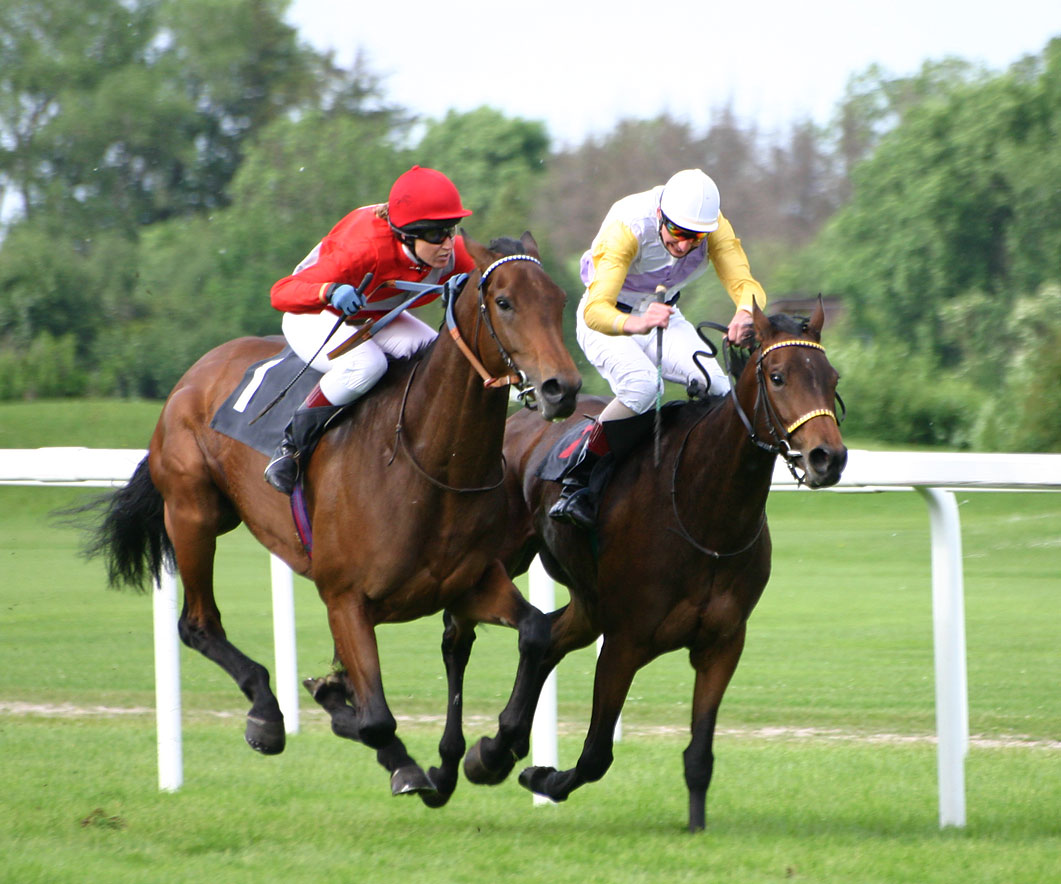



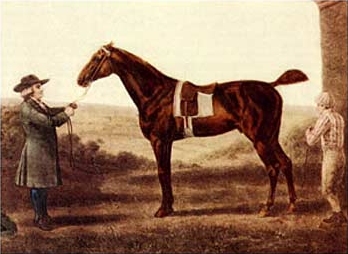

Origins and development
Thoroughbreds originated in Britain during the 17th and 18th centuries when local mares were mated with imported Oriental stallions. The three stallions now recognized as the foundation sires are the Byerley Turk, the Darley Arabian and the Godolphin Arabian; many modern pedigrees trace to one or more of these lines. The systematic recording of ancestry—first formalized in stud books in Britain—helped establish the closed stud book that defines the breed. Over time, selective breeding emphasized animals that excelled over courses and distances used in early racing.
Appearance and characteristics
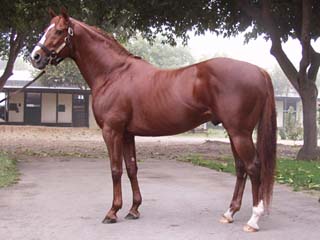
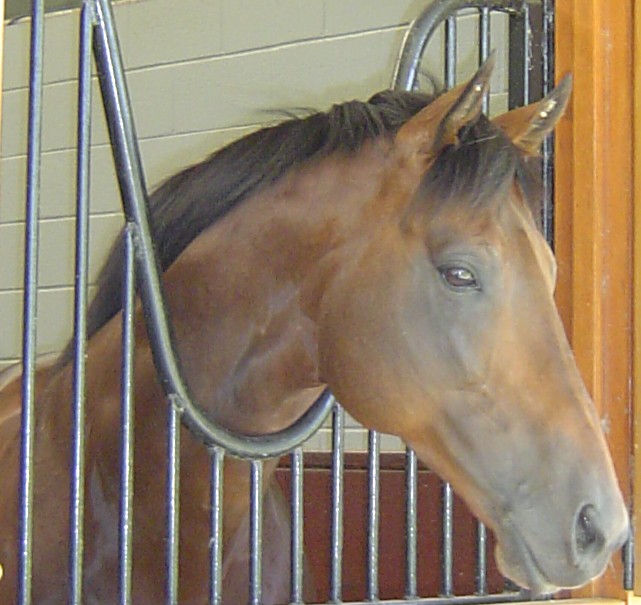
Thoroughbreds are typically refined, long-legged horses with a deep chest, lean body and powerful hindquarters that support efficient galloping. They commonly stand between about 15.2 and 17.0 hands high and come in several solid coat colors, including bay, chestnut, black and gray. Their temperaments tend to be high-spirited or "hot-blooded," which can make them sensitive and responsive to training.
Uses and disciplines
While the Thoroughbred’s best-known role is in flat racing on the racetrack, the breed is versatile and appears across a wide range of equestrian activities. Typical uses include:
- Flat and jump racing on turf and dirt courses (racing).
- National hunt and steeplechase events that test jumping and endurance (steeplechases).
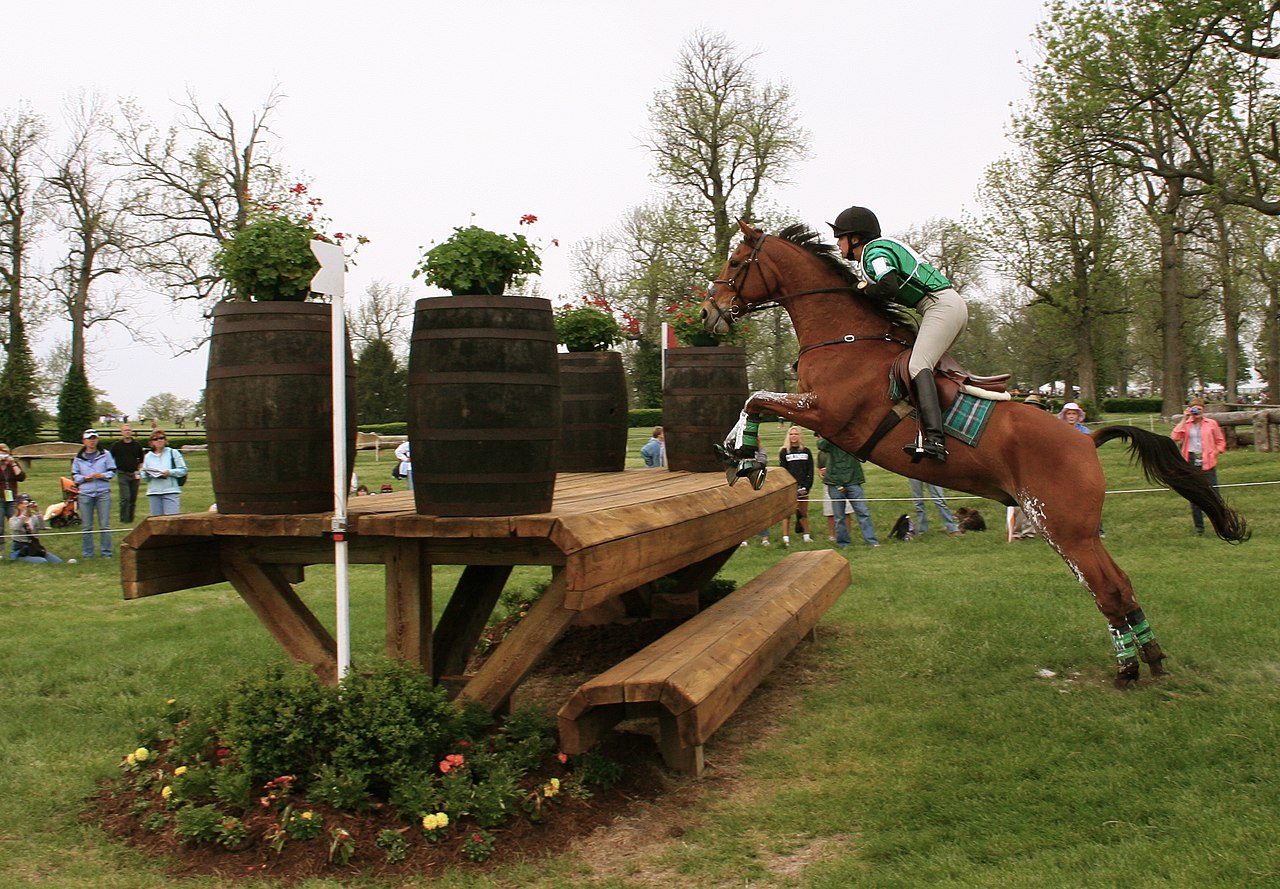
- Show jumping, eventing and dressage where Thoroughbreds contribute speed and agility (show jumping).
- Crossbreeding to improve sport-horse lines, and use in fox hunting, polo and recreational riding, including some farm and light harness work (farm).
Breeding, pedigree and registration
Thoroughbreds are registered in stud books that require documented parentage; the most influential early compilation was the General Stud Book. Contemporary breed authorities—such as national Jockey Clubs and stud-book organizations—maintain strict rules about registration and allowable parentage. These records permit breeders and buyers to examine detailed charts of ancestry, helping to evaluate bloodlines for racing potential or breeding value.
Health, management and notable points
Like all athletic breeds, Thoroughbreds require careful management to prevent injuries and to support peak performance. They can be prone to musculoskeletal stresses because of racing demands, and their high-energy temperaments call for experienced handling. Despite these challenges, Thoroughbreds have had broad influence beyond racing: they shaped many modern warmblood and sport-horse types and are prized for their combination of speed, endurance and sensitivity. A common point of confusion is the word "thoroughbred"—in everyday speech it is sometimes used to mean any purebred animal, but in equestrian contexts it specifically denotes this breed.
For more general information, historical sources and breeding standards, consult breed authorities and registry resources linked here: Arabian origins, coat color references and other specialist sites. Many national organizations also maintain searchable pedigree databases and guides for owners and breeders.
Questions and answers
Q: What is a Thoroughbred?
A: A Thoroughbred is a breed of horse mainly used for racing.
Q: Is the pedigree of a Thoroughbred known and recorded?
A: Yes, the pedigree of a Thoroughbred is known and recorded, and there is a chart showing its ancestry.
Q: What were horses used for before cars were invented?
A: Horses were the fastest way for people to travel on land before cars were invented, and they were the only way to travel long distances in a reasonable amount of time.
Q: What breed of horse was specifically bred to run?
A: The thoroughbred racehorse was specifically bred to run.
Q: What breed did Thoroughbreds originate from?
A: Thoroughbreds originate from the Arabian breed, and all Thoroughbreds can be traced back to three original sires (fathers): The Byerley Turk, The Darley Arabian, and The Godolphin Arabian.
Q: What are Thoroughbreds known for?
A: Thoroughbreds are known for their speed and jumping ability, used in steeplechases, show jumping, and other horse activities.
Q: What is the temperament of Thoroughbreds?
A: Although Thoroughbreds generally are slightly temperamental, they are very trainable and loyal.
Related articles
Author
AlegsaOnline.com Thoroughbred (horse breed) Leandro Alegsa
URL: https://en.alegsaonline.com/art/99599