
Theobroma — tropical genus that includes the cacao tree
Theobroma is a small genus of tropical American trees whose seeds produce cocoa and chocolate. It includes cacao, cupuaçu and other species valued for food, culture and agroforestry.
Overview
Theobroma is a genus of primarily tropical trees comprising about 20 species. Members of this group are best known for producing edible seeds that have been used by human societies for millennia. The most famous species, Theobroma cacao, is central to the modern cocoa and chocolate industries, but several other species are locally important for food, flavoring and traditional uses.
Image gallery
9 Images



Characteristics
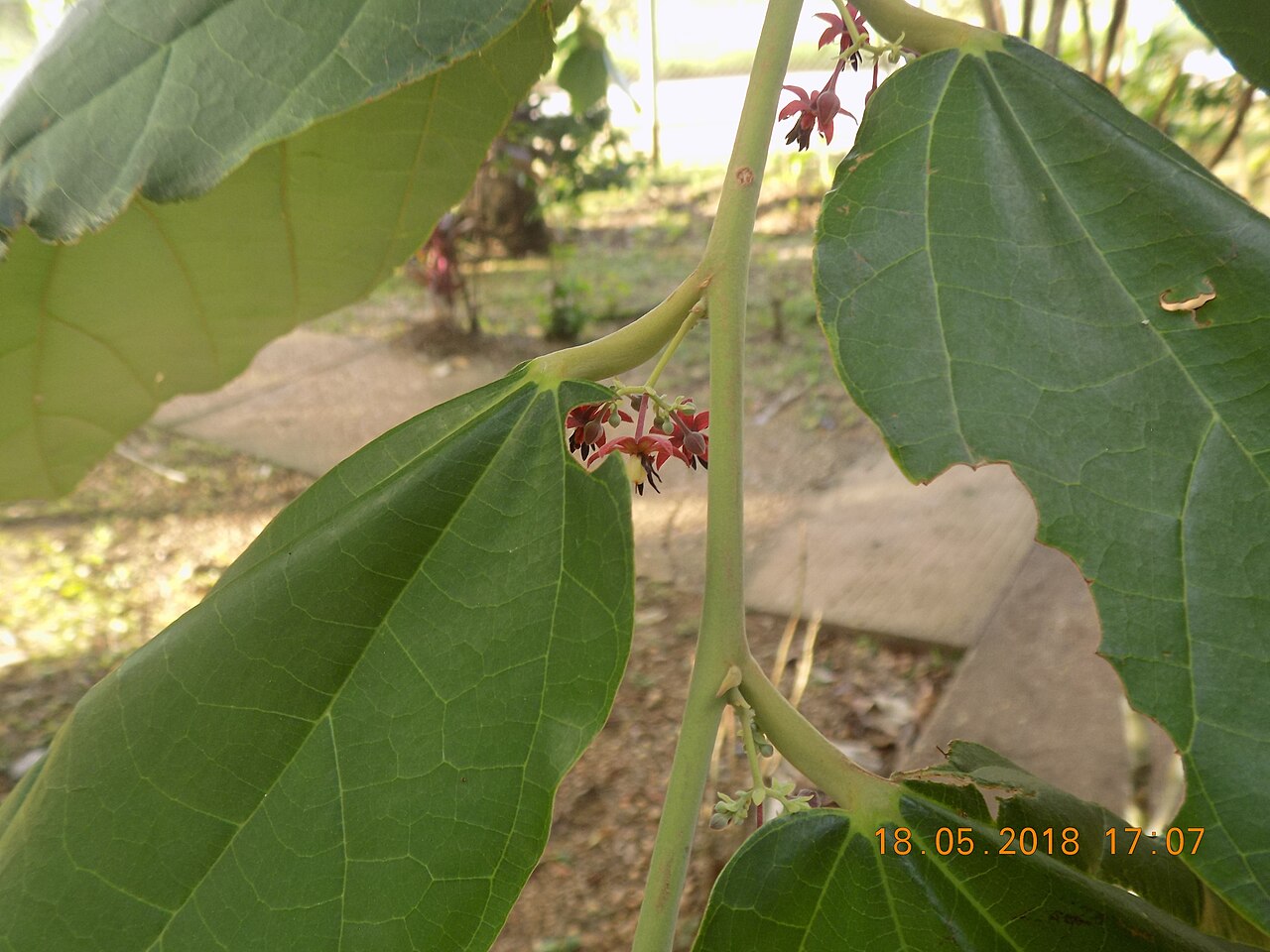
Plants in the genus are typically small to medium-sized evergreen trees. They often grow beneath the rainforest canopy and exhibit traits suited to shaded environments. Common features include:
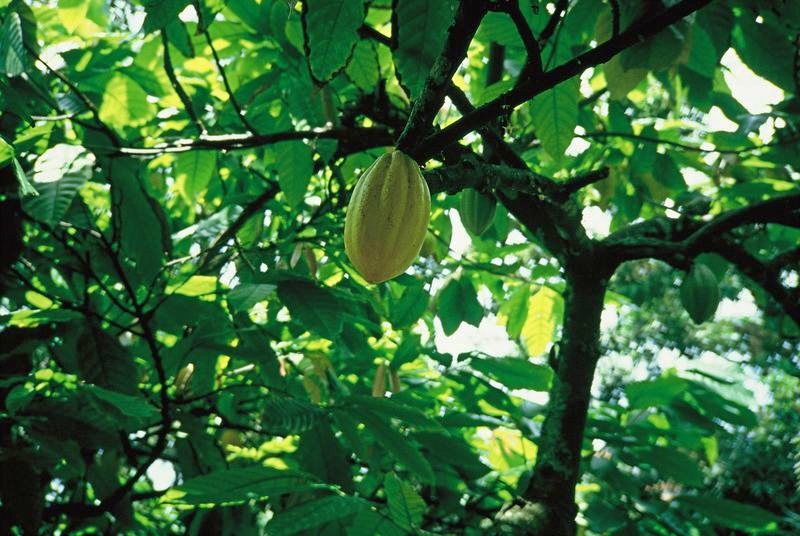
- simple, alternate leaves and a tendency toward cauliflory (flowers and fruits borne on the trunk and older branches)
- fruits that are thick-walled pods containing many seeds embedded in a sweet, mucilaginous pulp
- seeds that become bitter and aromatic after fermentation and drying, a process that develops the flavors used in processing
Distribution, name and taxonomy
Theobroma species are native to the humid forests of the Americas. They occur naturally across regions described as native to the lowland and montane forests of Central and South America. The genus name comes from Greek roots translating roughly to "food of the gods," a nod to the cultural importance of cacao in pre-Columbian societies. Taxonomically the group has been placed historically in the family Sterculiaceae and, in more recent classifications, incorporated into an expanded Malvaceae family; references sometimes list either designation (Sterculiaceae or Malvaceae depending on the system used).
Uses, notable species and processing
Several Theobroma species yield seeds or pulp that are eaten locally or processed into commodities. The seeds are prominent as edible seeds after fermentation, drying and roasting. Among notable species are:
- Theobroma cacao — the principal source of commercial cocoa and chocolate; its beans are fermented, dried, roasted and ground to produce cocoa solids and butter.
- Cupuaçu (Theobroma grandiflorum) — valued in parts of the Amazon for its aromatic pulp used in beverages, sweets and cosmetics.
- Theobroma bicolor and other species such as the so-called mocambo — used regionally for their seeds or fruit pulp.
Ecology, pests and pollination
Theobroma trees interact with a range of insects and animals. Pollination of several species, notably cacao, depends on tiny midges and other small dipterans rather than large bees. Fruits and pulp attract mammals and birds that help disperse seeds. The genus also serves as a host for insect larvae: some species are used as food plants by larvae of certain moths, including insects in the genus Endoclita. Records note larvae of Hypercompe muzina feeding specifically on Theobroma cacao. Cultivated Theobroma, particularly cacao, is susceptible to several fungal and insect pests (for example black pod, witches' broom and other diseases) that have significant economic and conservation implications.
Cultivation, cultural importance and conservation
Theobroma species are cultivated from small-scale home gardens to large plantations. Many systems favor shaded agroforestry arrangements that mimic forest understory conditions and support biodiversity. Cacao has a deep cultural history in Central and South America, used in ritual, as currency and as a valued food. Today its global economic role is substantial, which places pressure on wild populations and on genetic diversity. Conservation efforts combine habitat protection, ex situ germplasm collections and sustainable agricultural practices to preserve both wild Theobroma species and the cultural landscapes that sustain them.
Further reading and botanical treatments can be found through taxonomic and agricultural references, regional floras and specialized studies on pollination and disease management.
Related articles
Author
AlegsaOnline.com Theobroma — tropical genus that includes the cacao tree Leandro Alegsa
URL: https://en.alegsaonline.com/art/99228