
Malvaceae (the mallow family)
Malvaceae, the mallow family of flowering plants, includes hibiscus, cotton, okra, cacao and kapok. Members are diverse in form and ecology and are valued for food, fibre, timber and ornamentals.
Overview
The Malvaceae, commonly called the mallow family, is a widespread group of flowering plants that ranges from small herbaceous species to large tropical trees. Older treatments described roughly a thousand species in some 70–80 genera, but modern circumscriptions broaden the family to include many additional genera formerly placed in related families. Members occur worldwide but are especially diverse in tropical and subtropical regions; they are uncommon in polar areas.
Image gallery
9 Images


Distinctive characteristics
Plants in this family share a set of morphological features often used to recognise them. Leaves are usually alternate and may show palmate venation; many species have stellate (star-shaped) or simple hairs and mucilaginous tissues. Flowers are typically conspicuous with five petals and a prominent staminal column formed when numerous stamens are united into a tube around the pistil. Many species also possess an epicalyx, a whorl of bracts resembling an extra calyx.
Fruits, seeds and growth forms
Fruit types in Malvaceae are variable and include dry capsules, schizocarps that split into mericarps, and occasionally fleshy fruits. Seeds often contain oils or mucilage. Habit ranges from annual and perennial herbs to shrubs and large canopy trees; some produce light, fluffy fibres used for stuffing or insulation.
Taxonomy and evolution
Advances in molecular systematics during the late 20th century led to a redefinition of Malvaceae. Several groups once treated as separate families, such as Bombacaceae, Sterculiaceae and Tiliaceae, are now commonly included as subfamilies or lineages within an expanded Malvaceae. This revised classification emphasises evolutionary relationships revealed by DNA studies while retaining recognizable subgroups for practical identification.
Distribution, ecology and pollination
Members occupy a wide range of habitats: tropical rainforests, dry woodlands, temperate meadows, and disturbed urban sites. Flowers attract a variety of pollinators, including bees, butterflies, hummingbirds and bats, depending on the species. Several malvaceous plants are adapted to open, sunny conditions, while others are understory trees of humid forests.
Economic and cultural importance
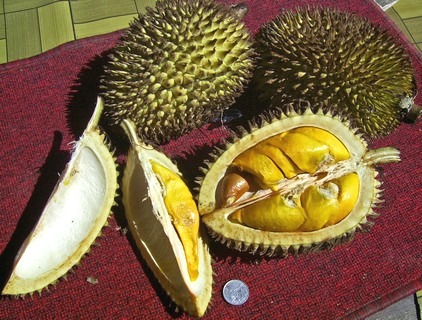
The family includes numerous species of economic value. Cotton (Gossypium) provides the world’s most important natural textile fibre. Okra (Abelmoschus esculentus), also called lady’s finger or gumbo, is a widely cultivated vegetable. Hibiscus species are popular ornamentals and used in beverages and local remedies. Theobroma cacao, the source of cocoa, and Ceiba (kapok), valued for lightweight fibre and timber, are members of the broader mallow assemblage. Other uses include medicinal mucilages, edible fruits, timber and shade trees.
Representative genera
- Hibiscus — ornamental and wild species
- Gossypium — cotton
- Abelmoschus — okra and related plants
- Theobroma — cacao (chocolate)
- Althaea — marshmallow
- Ceiba and other former Bombacaceae trees
- Tilia — linden or basswood trees in some modern treatments
For a concise overview of the family and its defining traits see family overview. For a closer look at flower structure and identification characters consult flower structure. Practical notes on cultivation, uses and crops are available at uses and crops and horticultural notes. Regional species lists and treatment guides can be found via regional resources.
Related articles
Author
AlegsaOnline.com Malvaceae (the mallow family) Leandro Alegsa
URL: https://en.alegsaonline.com/art/61097