
Cacao tree (Theobroma cacao)
A concise encyclopedia entry on the cacao tree: its botany, origin, cultivation, processing of cocoa seeds, uses (chocolate, cocoa butter), and economic and ecological importance.
Overview
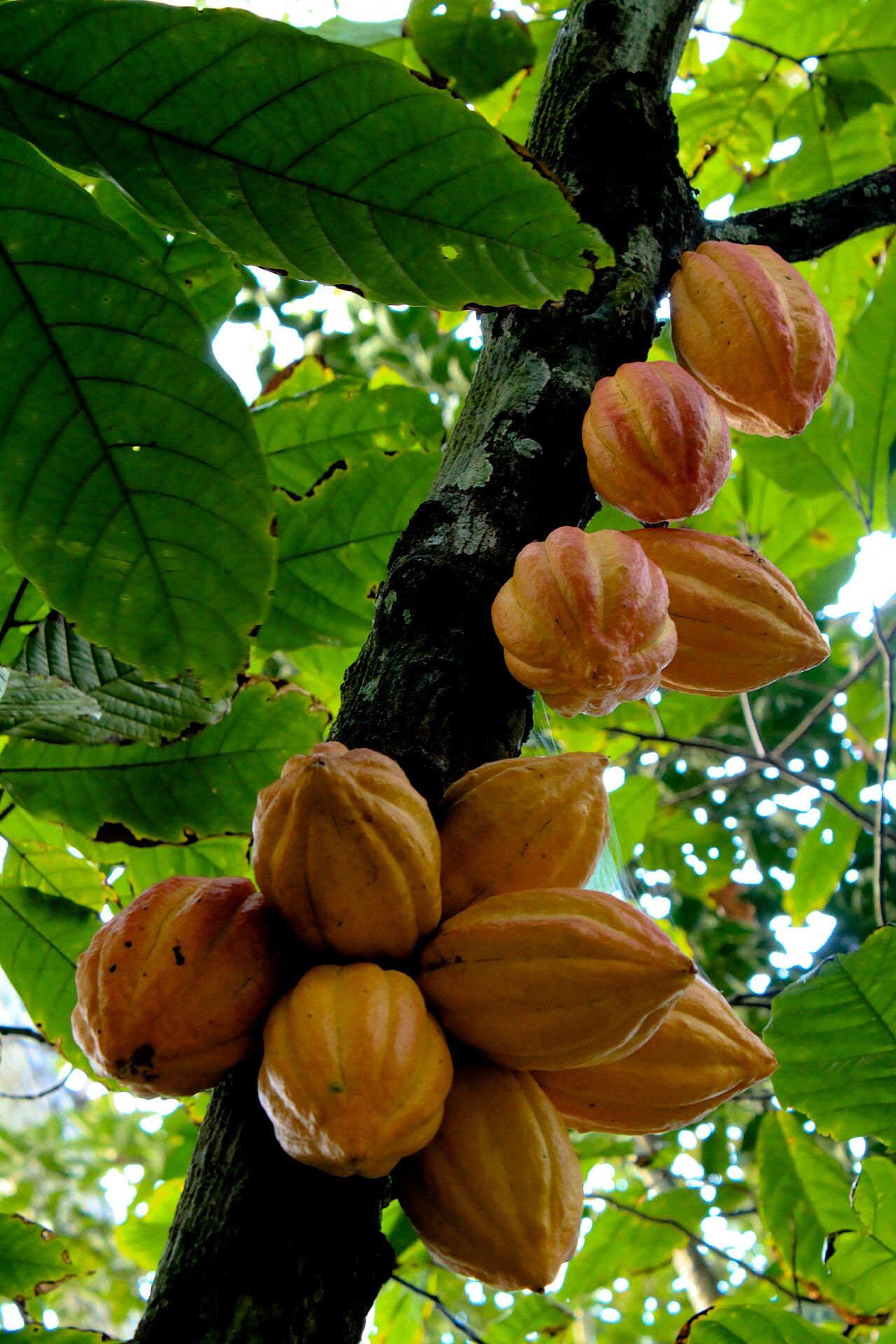
The cacao tree is a small, tropical evergreen cultivated for its seeds, which are the source of cocoa and chocolate. Often called Theobroma cacao — a name meaning "food of the gods" — the tree typically reaches a modest height and develops large, leathery pods that hold the seeds and a sweet pulp. For a basic reference, see general description.
Image gallery
10 Images




Botany and distinguishing parts
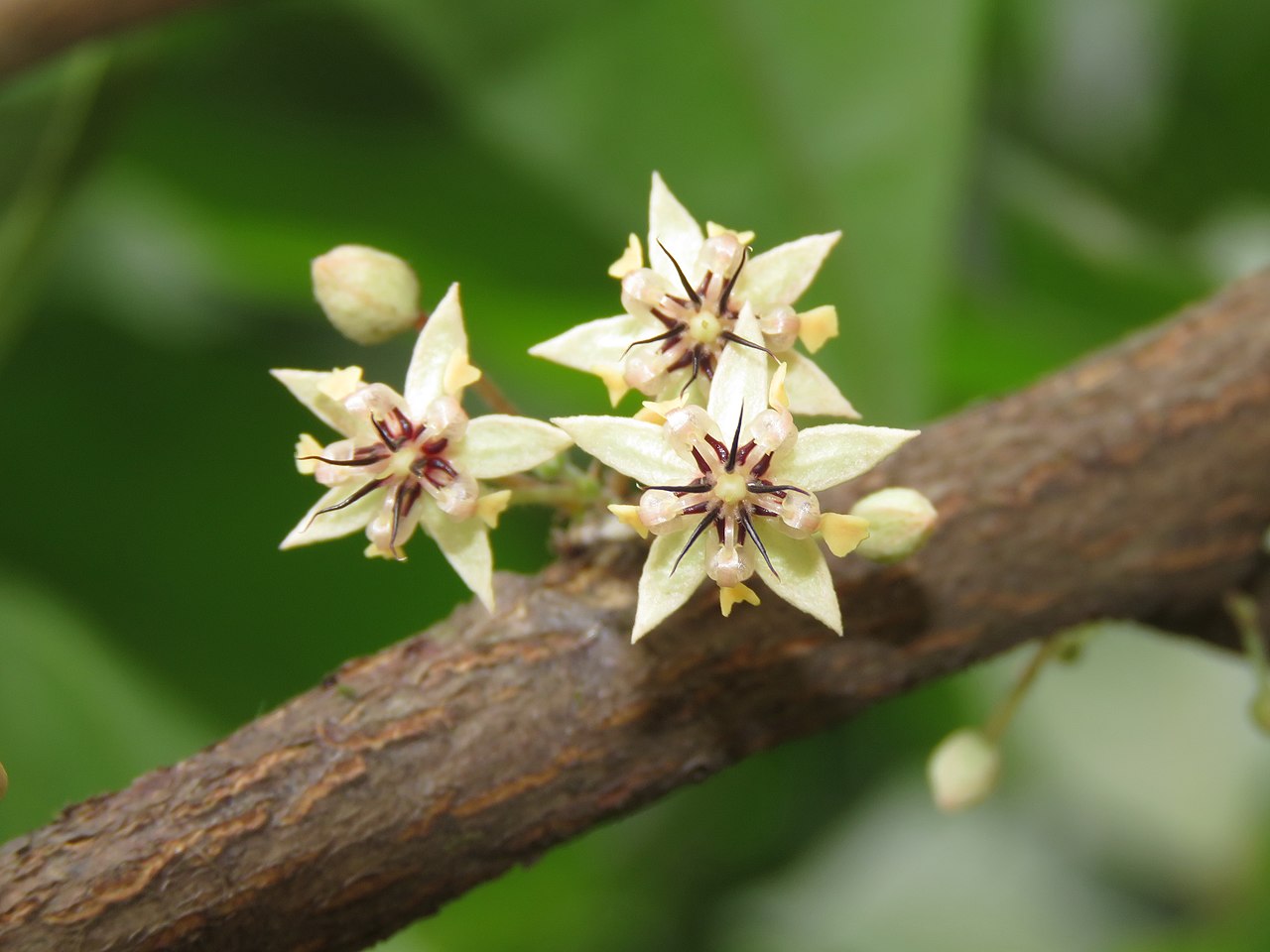
Cacao grows as a shade-tolerant understory tree in humid tropical climates and usually attains about 4–8 metres in height. The most important structures are the stem and branches that bear the pods, the colorful pods themselves, and the seeds inside, commonly called cocoa beans. Each pod contains a dozen or more seeds surrounded by a white mucilaginous pulp. The pulp is fermented with the seeds during processing, an early step in developing chocolate flavor.
History and native range
The species originated in tropical regions of the Americas and was used for millennia by indigenous peoples in Central and South America. Historical records and archaeology show that cacao beverages and ceremonial uses were important in pre-Columbian societies. Today cultivation has spread far beyond its native range; see notes on distribution at origins and range and contemporary growing regions at plantation locations.
Processing and main uses
After harvest, cacao pods are opened and the seeds plus pulp are removed. The seeds are fermented, dried, roasted and ground to produce cocoa mass. From that mass, manufacturers separate cocoa butter and cocoa solids used in a wide spectrum of products. The principal uses are chocolate confectionery and cocoa powders for beverages and baking; for popular products and history of chocolate see chocolate and derivatives.
Economic and ecological importance
Cacao is a valuable cash crop in many tropical countries and supports millions of smallholder farms. Its cultivation can coexist with agroforestry systems, providing shade and habitat benefits when managed with biodiversity in mind. However, the crop faces challenges such as pests, diseases and market fluctuations, which affect farm incomes and long-term sustainability.
Notable facts and distinctions
- Theobroma cacao is one of several species in the genus, but it is the principal source of commercial cocoa.
- The seeds are commonly called cocoa or cacao beans; terminology varies by region and product stage.
- Processing stages — fermentation, drying, roasting — are crucial to flavor development and determine the quality of final products.
For further reading and practical cultivation guides, consult agricultural and botanical resources linked above: species overview, origins, seed information, cocoa butter, chocolate uses and plantation practices.
Related articles
Author
AlegsaOnline.com Cacao tree (Theobroma cacao) Leandro Alegsa
URL: https://en.alegsaonline.com/art/15878