
Thorns, spines and prickles: plant sharp structures and their roles
Clear explanation of the botanical differences between thorns, spines and prickles, their origins, functions, examples and ecological importance, with distinguishing features and uses.
Many plants carry sharp projections commonly called thorns, spines or prickles. Although lay usage often treats these words as interchangeable, botanists distinguish them by origin, structure and attachment. These sharp structures perform similar ecological roles—primarily protection from herbivores—but they arise from different tissues and have different mechanical properties, lifespans and practical consequences for people and animals.
Image gallery
10 Images





Definitions and basic differences
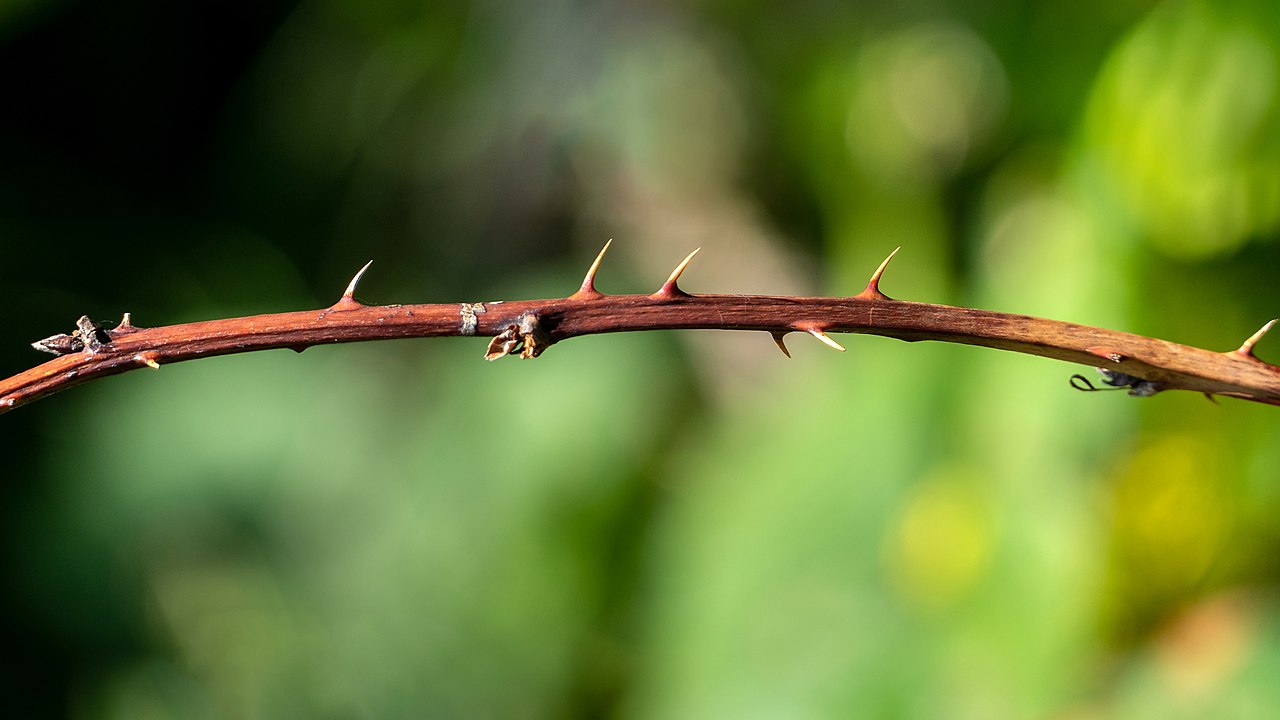
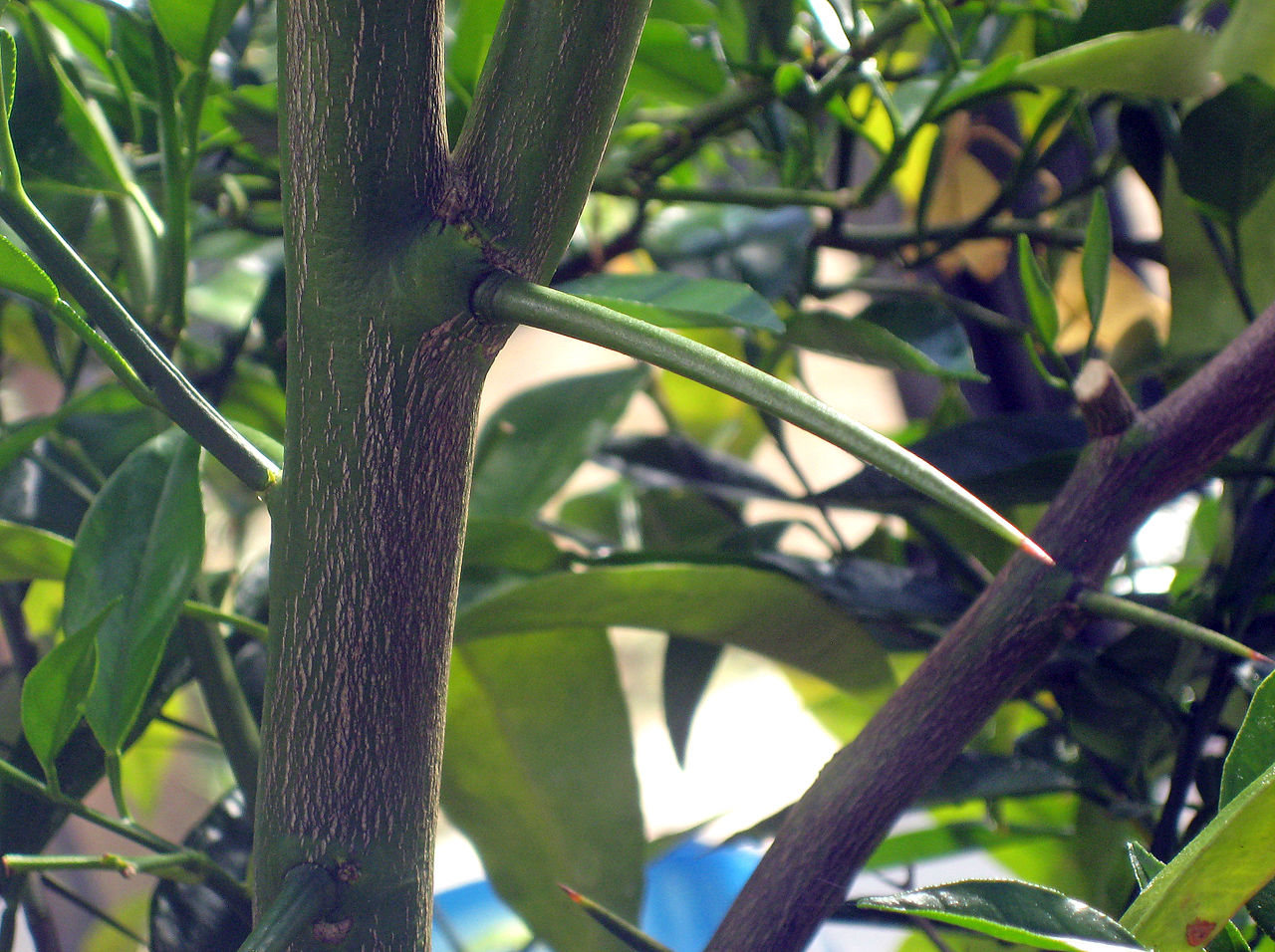
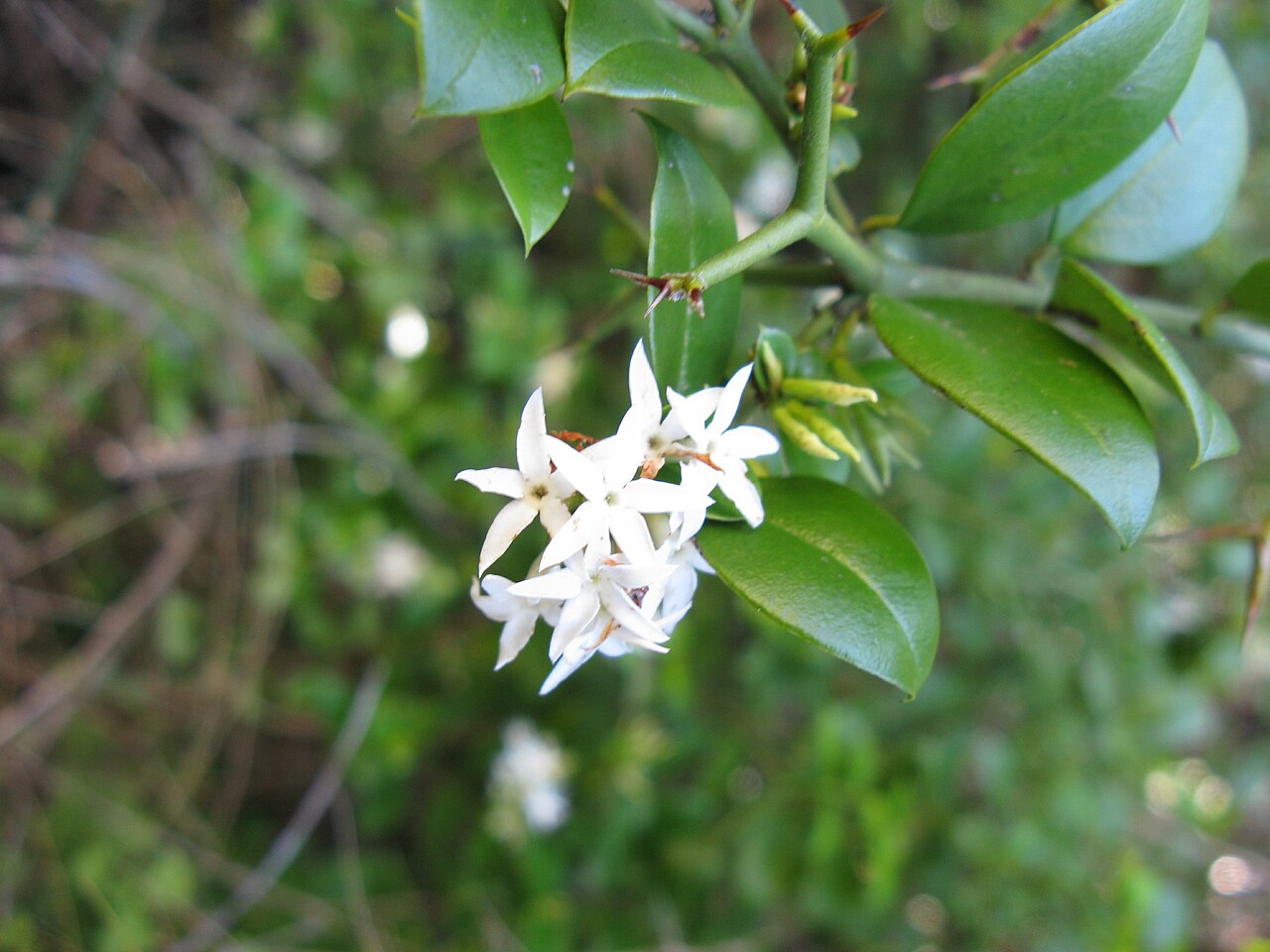
Thorns are modified stems or branches. Because they develop from shoot tissue, thorns are typically woody and firmly attached; they can persist for years and often occur in the position of an axillary bud. Spines are modified leaves, leaf parts (such as stipules), or portions of leaves. In cacti, for example, spines are the leaf derivatives and are often closely related to adaptations for arid environments. Prickles are outgrowths of the epidermis or cortex—surface tissues of stems or leaves—rather than deep, woody tissues. Prickles are usually easier to remove or break off than thorns or spines.
Character, origin and how to tell them apart
- Origin: thorns = stem tissue; spines = leaf or leaf-part tissue; prickles = epidermal/cortical outgrowths.
- Attachment: thorns are firm and branch-like; spines are attached where leaves would be; prickles sit on the surface and can often be rubbed or snapped off.
- Texture: thorns are woody, spines may be woody or stiff, prickles are usually softer and less integrated with internal vascular tissue.
Common examples help make the distinction practical: roses are famous for prickles; many cacti carry spines derived from leaves; plants such as hawthorn or some citrus have true thorns. These are general patterns rather than absolute rules, and intermediate forms can occur in different species.
Ecological functions and evolutionary context
Sharp structures primarily serve as mechanical defenses against herbivory, deterring mammals, birds and insects from eating foliage, stems or buds. In dry-adapted plants like many cacti, spines also reduce water loss by shading the stem, breaking airflow and sometimes trapping a thin layer of humid air close to the plant surface. In some species the presence of thorns or spines interacts with other defenses—such as tough leaves, toxic chemicals, or mutualistic animals—to create layered protection.
Co-evolutionary relationships are well documented: thorny or spiny trees may influence the foraging and anatomy of large browsers, while some plants form mutualisms with ants that defend the plant and use thorns or swollen thorn bases as housing. Notable examples of evolutionary arms races include trees that develop long spines and herbivores that evolve long tongues or specialized feeding behaviors to reach leaves despite the defenses.
Human uses, examples and notable facts
Humans have long used thorny plants for practical purposes: living fences and hedgerows (for example, hawthorn hedges) provide livestock barriers, while ornamental species such as roses are bred for flowers despite their prickles. Birds and small animals often exploit thorny vegetation as nesting sites where predators are deterred. In agriculture and horticulture, the presence of thorns, spines or prickles affects handling, pruning and planting decisions.
- Distinguishing checklist: remove a sample and check whether the structure contains vascular tissue (suggests thorn or spine) or peels off from the surface (prickle).
- Practical note: protective plants can reduce grazing or create wildlife refuges but may complicate human access and harvesting.
- Interesting point: similar-looking sharp structures have evolved many times across plant families—an example of convergent evolution driven by herbivore pressure.
For further reading and visual guides, consult botanical resources and field guides that illustrate the development of stems and leaves and show how to recognize tissue origins. Helpful starting points are provided below.
Questions and answers
Q: How do botanists categorize sharp things on plants?
A: Botanists use three different words to categorize sharp things on plants, which are thorns, spines, and prickles.
Q: What are thorns?
A: Thorns are the hard and sharp ends of branches.
Q: What are spines?
A: Spines are hard structures with sharp ends, which can be found on leaves and can also grow instead of leaves.
Q: What are prickles?
A: Prickles are sharp structures on the outside of stems.
Q: Why do plants develop thorns, spines, and prickles?
A: Plants develop thorns, spines, and prickles to protect themselves from plant-eating animals, which is a defence against herbivory.
Q: Can animals evolve in response to plants with thorns, spines, and prickles?
A: Yes, some animals can evolve in response to plants with thorns, spines, and prickles. For example, the acacia trees and giraffes have evolved in response to each other. The plants grow very long spines, and the animals develop very long tongues to reach past the spines and feed on the leaves.
Q: What is the significance of thorns, spines, and prickles?
A: Thorns, spines, and prickles are significant for botanists to differentiate the sharp structures found in plants, and for plants to protect themselves from herbivores.
Related articles
Author
AlegsaOnline.com Thorns, spines and prickles: plant sharp structures and their roles Leandro Alegsa
URL: https://en.alegsaonline.com/art/99593
Sources
- commons.wikimedia.org : Thorns, spines and prickles