
Cupuaçu (Theobroma grandiflorum): Amazonian fruit, uses, and characteristics
Cupuaçu is an Amazonian tree related to cacao. Its fragrant pulp and heat‑stable seed fat are used in foods, cosmetics and timber; cultivated widely in northern Brazil, especially Pará and Amazonas.
Overview
Cupuaçu (Theobroma grandiflorum) is a fruit-bearing tree native to the Amazon rainforest and closely related to cacao. It grows wild and under cultivation throughout the Amazon basin and has become an important regional crop in the northern states of Brazil. The species is prized for its aromatic white pulp, large oblong fruits and seeds whose fat can substitute for cocoa butter in some applications. Cupuaçu is often discussed alongside other tropical tree crops for its culinary, cosmetic and timber uses.
Image gallery
5 Images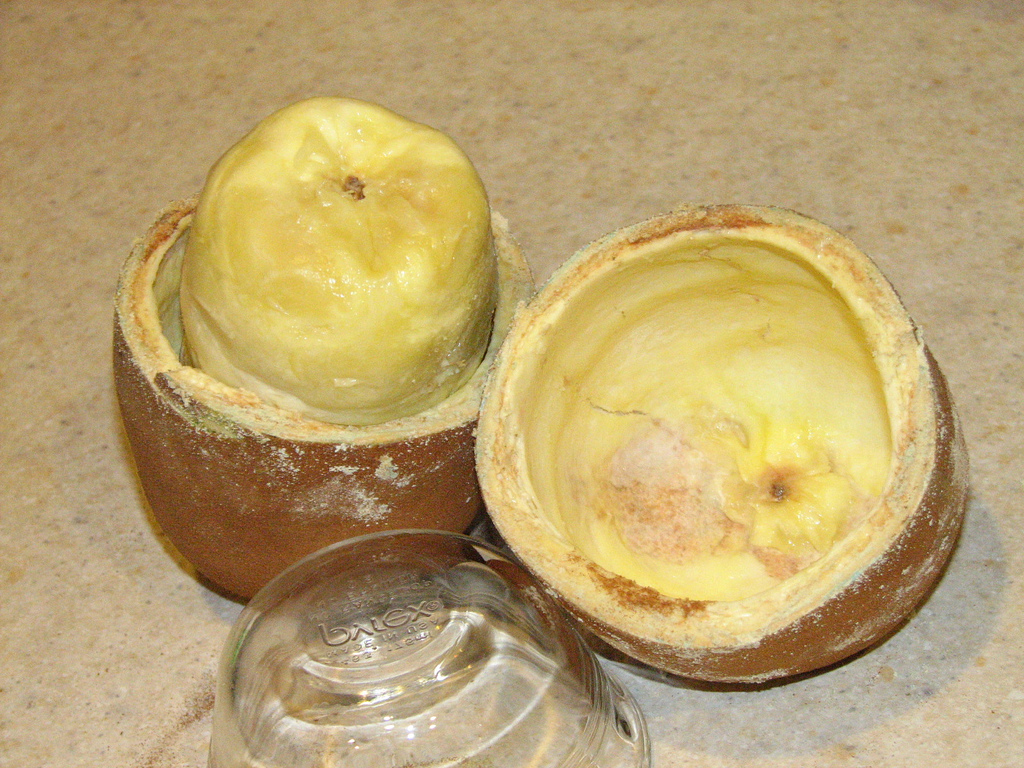
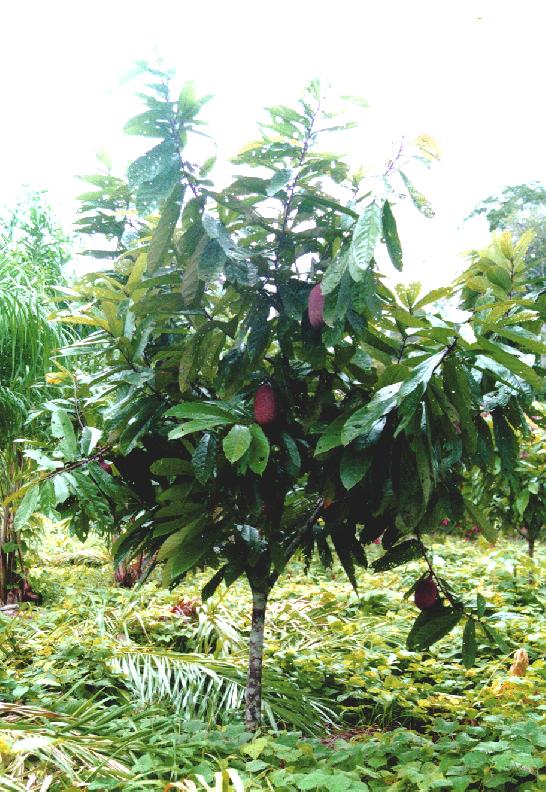


Description and botanical characteristics
Cupuaçu trees typically reach 5–15 metres in height, with occasional specimens growing taller. The trunk bears brown bark and a canopy of large, elliptical leaves that change color as they mature; see more about the plant's foliage in specialist sources. The leaves are long and prominently veined, and the tree produces flowers that develop into sizeable oblong fruits. Each fruit is covered by a thick, hard shell and contains a fibrous, fragrant pulp surrounding a number of large seeds.
- Taxonomy: a member of the Theobroma group and thus closely related to cacao.
- Range: native across the Amazon basin and cultivated especially in the northern states of Brazil.
- Major producing states: highest production is in Pará, followed by Rondônia, Acre and Amazonas regions.
- Leaves and fruit: see plant morphology pages for detailed descriptions of the leaves and fruits.
History and cultivation
Cultivation of cupuaçu is concentrated in the humid lowlands of the Amazon and has long been practiced by indigenous and riverine communities. In the 20th and 21st centuries, interest in the fruit grew as regional producers developed processing techniques for pulp, juice and seed products. Selective breeding and clonal propagation have been used to improve yield and fruit size in commercial orchards, while smallholders continue to supply local markets and artisanal processors.
Uses and products
The creamy, fragrant white pulp inside cupuaçu fruits is used fresh and processed into juices, desserts, confections and preserves. Unlike cacao, cupuaçu pulp contains methylurate compounds such as theacrine rather than the common xanthines; it therefore lacks significant amounts of caffeine and theobromine, which influences its flavor and stimulant properties. The large seeds are a source of a fat that can be refined into a cocoa-like product called cupulate, valued for its similar appearance and taste to chocolate and for greater heat resistance in some formulations.
- Food and beverages: juices, ice creams, sweets and paired applications where chocolaty or fruity notes are desired.
- Confectionery substitute: seed fat used as a lower-cost, heat-stable alternative to cocoa butter.
- Cosmetics and toiletries: processed seed butter is used in creams and balms for its emollient properties.
- Wood: the tree's timber is occasionally harvested for local construction and carpentry (wood).
Economics, intellectual property and conservation
Cupuaçu supports regional economies by providing income for farmers, processors and markets in Amazonian states. The crop has attracted commercial interest beyond Brazil, which has sometimes led to disputes over rights to processing methods and plant derivatives; a notable episode involved a challenged attempt to secure exclusive rights to seed fat processing that drew attention to traditional knowledge and benefit-sharing concerns. For discussion of such legal and ethical issues, see analyses of plant product patents and traditional use patent debates.
Notable facts and distinctions
Cupuaçu is botanically allied to cacao but is chemically distinct: the pulp's aromatic profile and the seed's fat composition set it apart from chocolate-producing species. Processors and chefs exploit these differences, creating beverages and confections that highlight cupuaçu's tropical aroma rather than caffeine-driven bitterness. For introductory and practical information on cultivation, processing and regional production statistics consult agricultural extension and regional trade sources linked here: Theobroma resources, regional ecology, Brazilian cultivation guides, Pará producers, Rondônia growers, Acre agriculture, leaf morphology, fruit anatomy, pulp characteristics, caffeine chemistry, theobromine contrasts, cupulate production, patent case studies and timber uses.
Related articles
Author
AlegsaOnline.com Cupuaçu (Theobroma grandiflorum): Amazonian fruit, uses, and characteristics Leandro Alegsa
URL: https://en.alegsaonline.com/art/24679
Sources
- www2.prossiga.br : "Estudo químico de sementes do cupuaçu"