
Berberis (barberry)
Berberis, commonly called barberry, is a genus of spiny shrubs with yellow flowers and red or black berries, used as ornamentals, food in some cultures, and a source of traditional medicines.
Overview
Berberis, known as barberry, is a group of woody shrubs noted for their spines, typically yellow flowers and small red to dark berries. These plants occur across temperate and subtropical regions and include several hundred recognized species cultivated for hedges, garden interest and fruit.
Image gallery
10 Images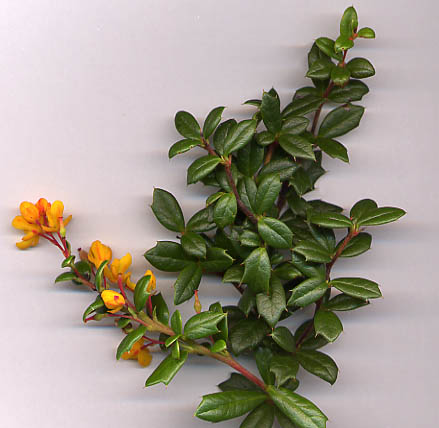
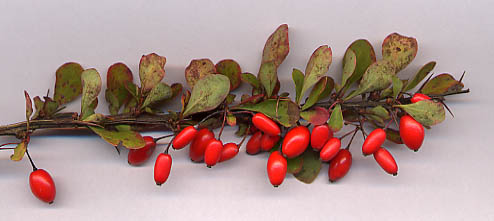


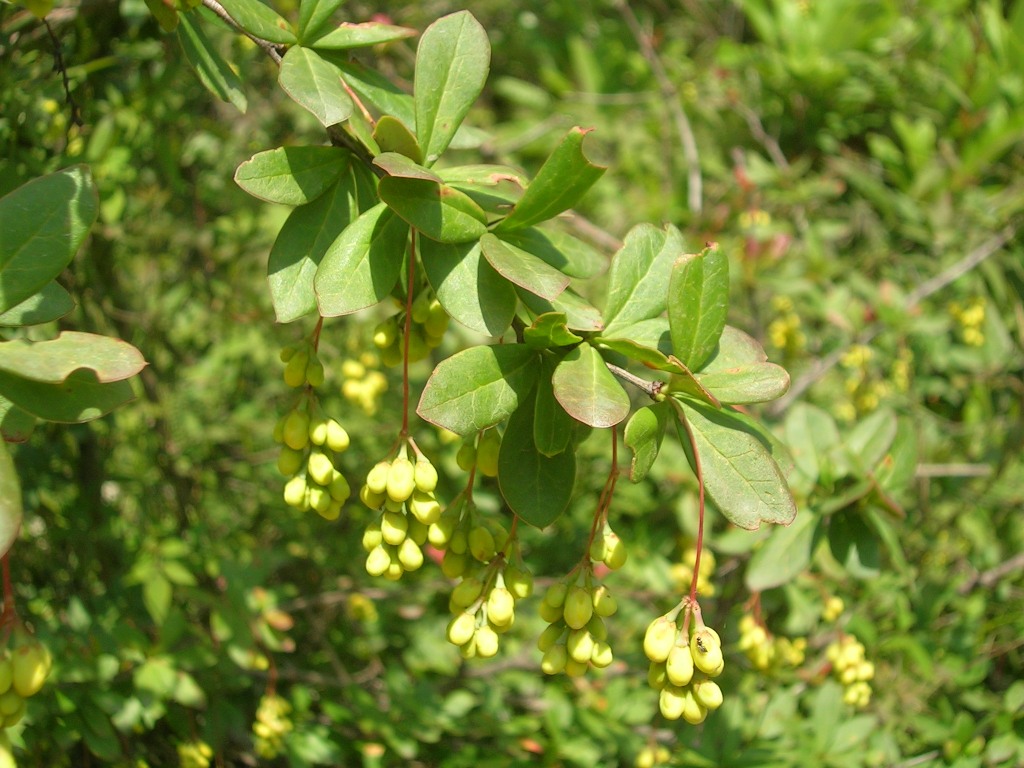


Characteristics
Plants in this group are usually multi-stemmed and bear thorny shoots. Leaves range from simple to pinnate depending on the species, and bright yellow, cup-shaped flowers often appear in clusters. The resulting berries are often tart and richly colored. Many species produce bitter alkaloids such as berberine in their roots and bark.
History and taxonomy
Barberries have long been recognized in traditional horticulture and herbal medicine. Botanical treatments vary: some authors keep Berberis separate while others merge related genera such as Mahonia. The plants are native to parts of Europe, Asia, Africa and the Americas and have been transported around the world as ornamentals and food plants.
Uses and importance
Barberries are grown for several reasons:
- Ornamental: attractive form, flowers and berries make them popular in gardens.
- Culinary: certain species provide tart fruits used in regional cuisines.
- Medicinal and traditional: extracts and dried parts are used in traditional remedies, largely due to compounds such as berberine.
Ecology and cultivation
These shrubs tolerate a range of soils and light conditions but commonly prefer well-drained sites. Propagation is by seed or cuttings. Some species, notably Berberis introduced outside their native ranges, can become invasive and alter local ecosystems. In some regions management is recommended to limit spread.
Notable distinctions
Barberries are often confused with similar spiny shrubs; one distinction is the presence of yellow flowers and characteristic berries. Some cultivars are thornless or have different foliage. For more detailed botanical keys and cultivar lists see specialist resources such as horticultural guides and conservation pages: further reading.
Tags
Related articles
Author
AlegsaOnline.com Berberis (barberry) Leandro Alegsa
URL: https://en.alegsaonline.com/art/10656
Sources
- mw1.merriam-webster.com : "Barberry"
- commons.wikimedia.org : Berberis