
Beet (Beta vulgaris) — root vegetable and cultivated crop
Beet (Beta vulgaris) is a broadly cultivated plant grown for its edible root and leaves. Varieties include red beetroot, sugar beet and mangelwurzel, used for food, sugar production and animal fodder.
Overview
Beet (Beta vulgaris) is a species of leafy plant valued both for its swollen taproot and for its edible greens. The edible forms are commonly grouped into varieties such as red beetroot, leafy chard, the fodder-type mangelwurzel and the industrial sugar beet. The plant is grown in temperate regions worldwide and has become a staple in many cuisines and agricultural systems.
Image gallery
10 Images





Characteristics
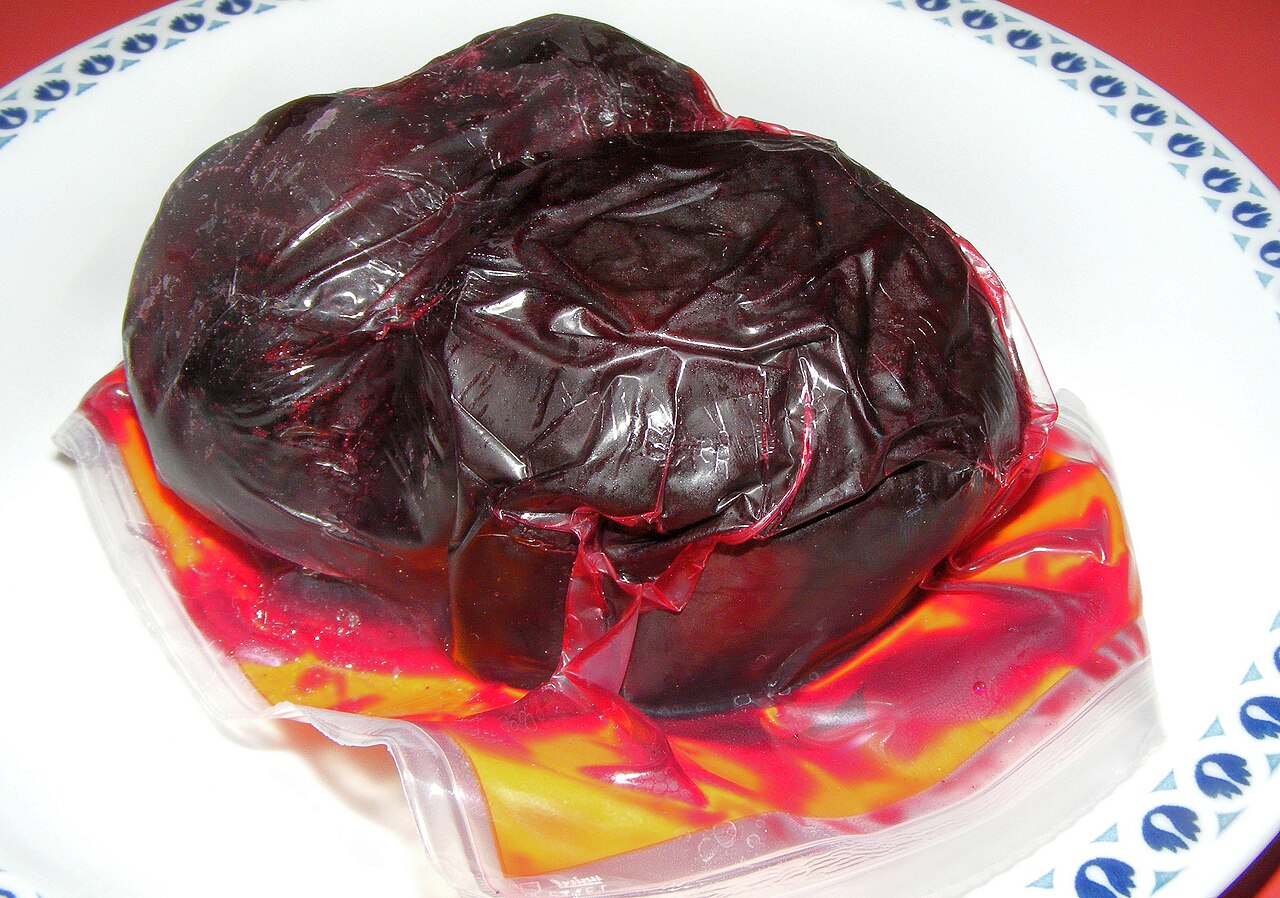
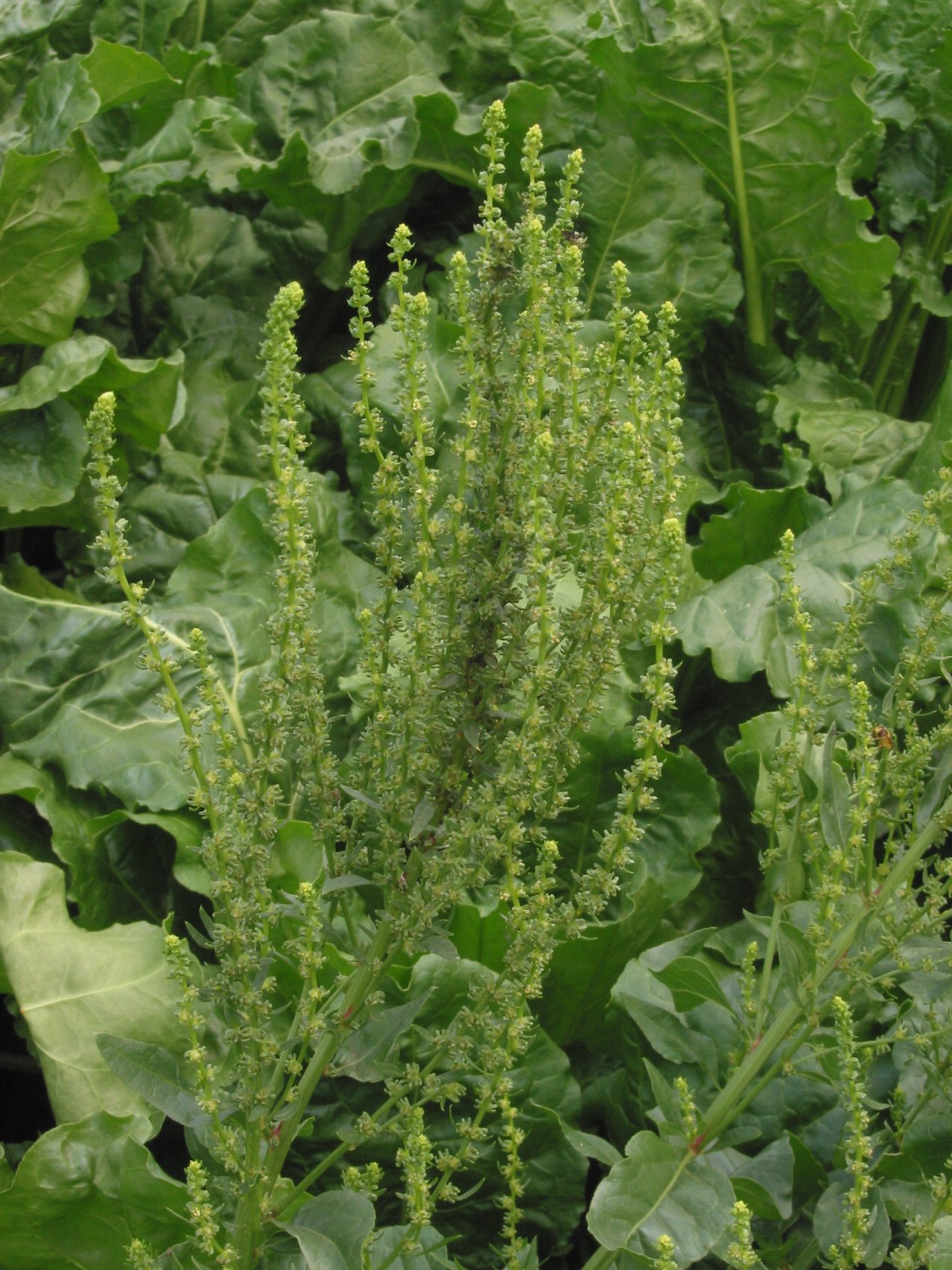
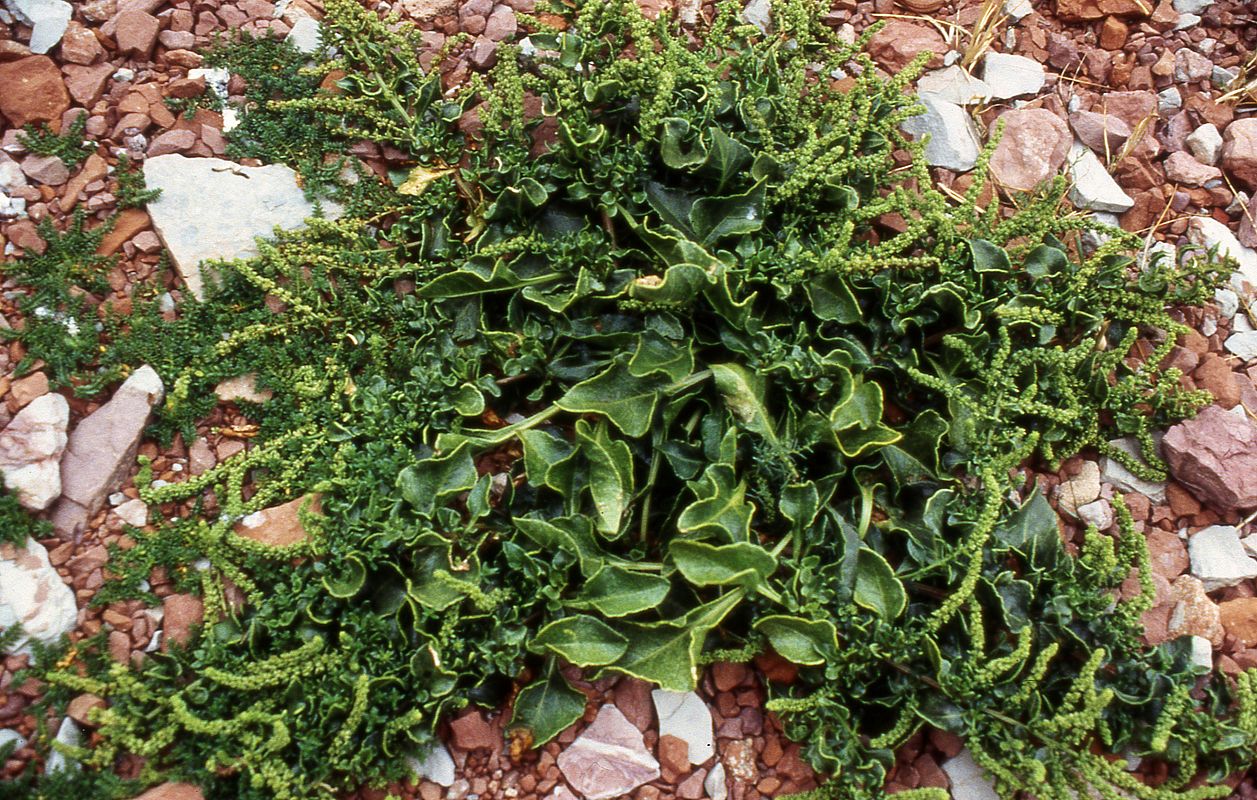
Beets typically develop a single enlarged root that can be broadly round, flattened, or elongated. The root stores carbohydrates and pigments called betalains, which give many varieties their distinctive red, purple or golden colors. Leaves arise from a central crown and are often green with colored veins; both leaves and roots are edible. Typical botanical features include a biennial life cycle in the wild and a succulent taproot adapted for storage.
History and development
Domestication and selective breeding transformed wild sea beet into several cultivated forms used for food and industry. Early uses focused on leaves and medicinal applications; later, humans selected for enlarged, tastier roots and, separately, for high-sugar content that made beet suitable for commercial sugar production. Improvements in agronomy and processing during the 18th and 19th centuries led to the development of dedicated sugar beet crops and modern varieties for fresh consumption.
Varieties and uses
- Red beetroot: the familiar root vegetable eaten boiled, roasted, pickled, juiced or grated into salads. Often simply called "beet" in culinary contexts; see root vegetable.
- Leafy beet / chard: grown mainly for its nutritious leaves rather than the root.
- Mangelwurzel (mangel): a large-rooted type historically grown as mangelwurzel for livestock fodder.
- Sugar beet: bred for high sucrose concentration and used in commercial sugar production and industrial processing.
Nutrition and culinary notes
Beetroot is appreciated for its earthy flavor and vibrant color. It provides dietary fiber, several vitamins and minerals, and the pigments that make it useful as a natural food coloring. Leaves are similarly nutritious and can be prepared like other leafy greens. Culinary preparation ranges from raw grating to roasting, boiling, fermenting and juicing.
Distinctions and notable facts
Different cultivated forms of Beta vulgaris are often distinguished by their principal use: table beets for direct consumption, chard for greens, mangel for animal feed and sugar beet for sweetener production. When learning about beet, it helps to note the botanical unity behind these diverse crops: they are the same species, selectively bred for different traits such as root shape, sugar content and leaf quality.
Related articles
Author
AlegsaOnline.com Beet (Beta vulgaris) — root vegetable and cultivated crop Leandro Alegsa
URL: https://en.alegsaonline.com/art/10097