
Pea (Pisum sativum): the plant, its seeds, and uses
Overview of the pea (Pisum sativum): botanical identity, types, cultivation, culinary uses, historical significance and its role in genetics and agriculture.
Overview
The term "pea" most often refers to the small, round seeds and pods of Pisum sativum, a member of the legume family. In everyday cooking peas are treated as a vegetable, but botanically each seed develops from the ovary of a flower and is therefore a fruit. Garden peas are valued for their tender green seeds; other plant species produce seeds commonly called peas as well.
Image gallery
10 Images




Characteristics and parts
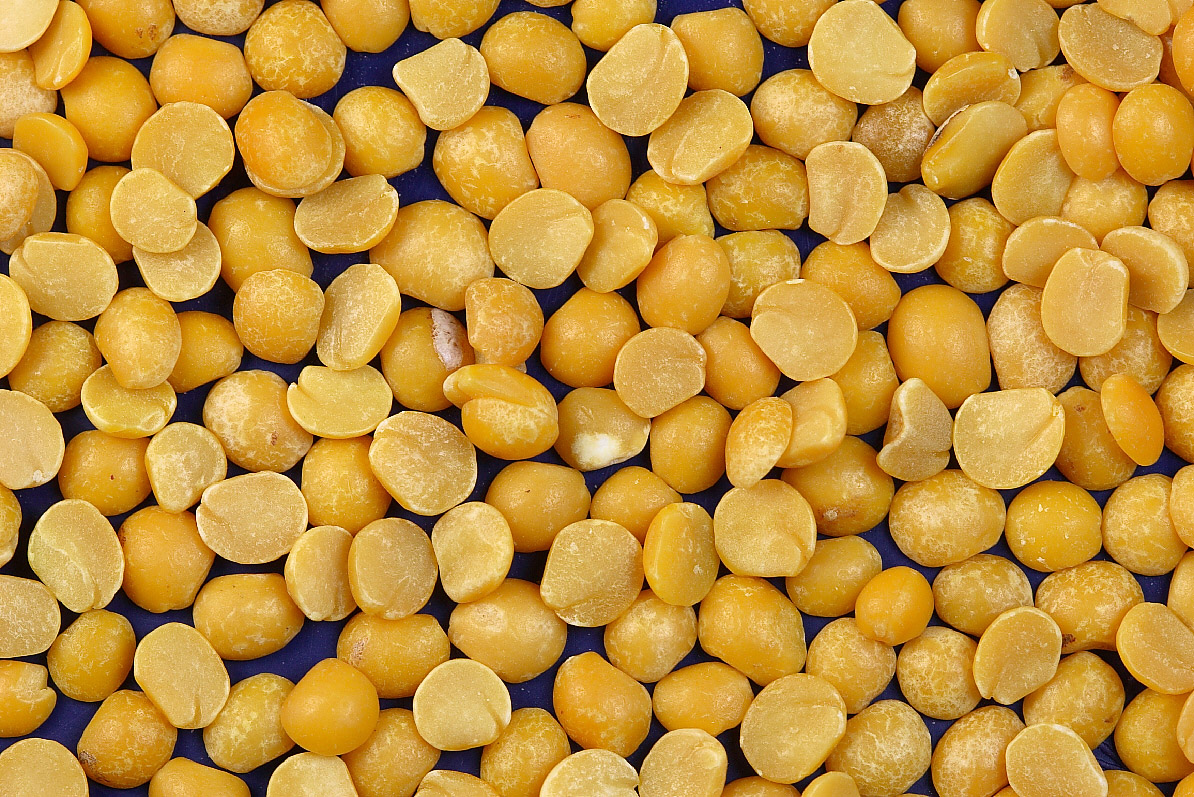
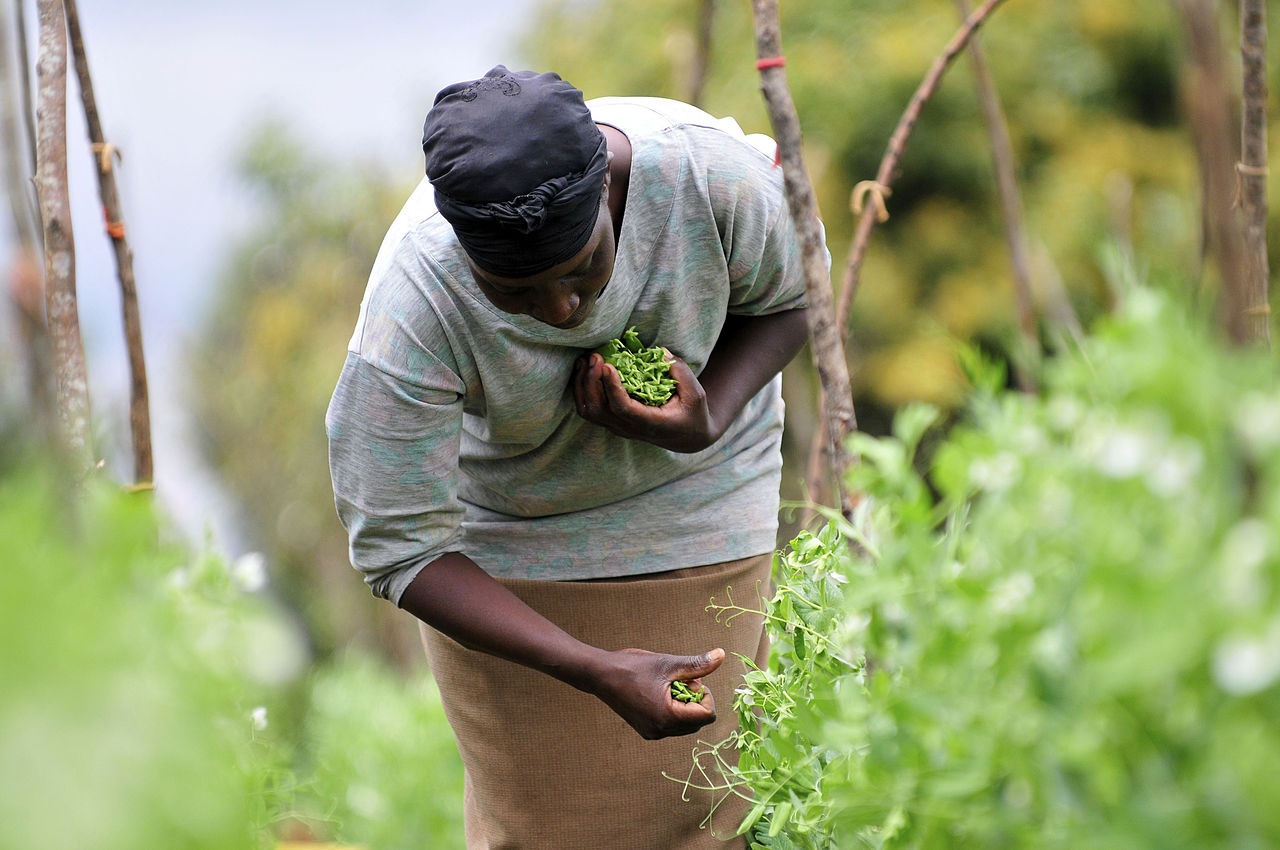
Pisum sativum is an annual, cool-season plant with pinnate leaves and small pea flowers that form pods containing multiple seeds. Individual seeds are typically small and spherical; an average cultivated pea weighs on the order of a few tenths of a gram. The pod protects and disperses the seeds, and different varieties produce either edible pods, shelled peas, or dry field peas used for storage and processing.
Varieties and related legumes
- Garden (sweet) peas: harvested young and eaten fresh or frozen.
- Field peas and split peas: allowed to dry on the plant for long-term storage and milling.
- Edible-pod types such as snow peas and sugar snap peas: pods are eaten as well as seeds.
Other members of the legume family (Fabaceae) produce edible seeds that carry the common name "pea": examples include the pigeon pea (Fabaceae relatives) and more distant types like the chickpea and the cowpea, which are botanically distinct but often play similar roles in diets around the world.
History and cultivation
Peas have a long cultivation history in southwestern Asia and the Mediterranean. Archaeobotanical evidence suggests early cultivation sites in areas such as southern Syria and southeastern Turkey, and peas were among the pulse crops associated with the spread of Neolithic agriculture into Europe. Pisum sativum is usually sown as a cool-season crop and can be planted in early spring or winter in mild climates; it forms a valuable rotation crop because of its association with nitrogen-fixing soil bacteria.
Uses, nutrition and significance
Peas are eaten fresh, canned, frozen, or dried. Culinary uses range from simple side dishes to soups, purees, and processed products such as pea protein and flour. Nutritionally, peas provide a balance of carbohydrate, protein, fiber, vitamins and minerals, making them important in many traditional diets and in modern vegetarian and sustainable food systems.
Scientific importance and notable facts
Peas were the experimental subject for Gregor Mendel's classic experiments on inheritance in the 19th century; Mendel’s work with contrasting pea varieties laid the foundation for genetics (model organism, Gregor Mendel, genetics). The plant's relationship with Rhizobium bacteria in root nodules enables biological nitrogen fixation, improving soil fertility. For further general reading see seed morphology and cultivation guides (annual crop).
Peas illustrate how a single common name can cover both a specific species and a range of similar edible legumes; they are simultaneously a staple food, a subject of scientific history, and a practical crop in sustainable agriculture. For more on agricultural practices and culinary applications consult additional resources (cooking, botany).
Questions and answers
Q: Is a pea a vegetable or a fruit?
A: Although treated as a vegetable in cooking, a pea is botanically a fruit.
Q: What is the name of the legume used by Gregor Mendel in his work on genetics?
A: The legume used by Gregor Mendel in his work on genetics is the Pisum sativum.
Q: Are there other edible seeds from the Fabaceae family besides peas?
A: Yes, there are other edible seeds from the Fabaceae family, like the pigeon pea, the chickpea, the cowpea, and the seeds from several species of Lathyrus.
Q: What kind of plant is P. sativum?
A: P. sativum is an annual plant.
Q: When is P. sativum planted?
A: P. sativum is a cool season crop, planted in winter.
Q: What is the average weight of a pea?
A: The average pea weighs between 0.1 and 0.36 grams.
Q: Has P. sativum been cultivated for a long time?
A: Yes, P. sativum has been cultivated for thousands of years, and its cultivation has even been associated with the spread of Neolithic agriculture into Europe.
Related articles
Author
AlegsaOnline.com Pea (Pisum sativum): the plant, its seeds, and uses Leandro Alegsa
URL: https://en.alegsaonline.com/art/75318
Sources
- hort.purdue.edu : hort.purdue.edu/newcrop/CropFactSheets/pea.html
- grainlegumes.com : grainlegumes.com
- fao.org : fao.org
- hort.purdue.edu : hort.purdue.edu/newcrop/afcm/drypea.html
- food.oregonstate.edu : food.oregonstate.edu