
Begonia (genus of flowering plants)
Begonia is a large genus of perennial flowering plants native to tropical and subtropical regions, valued for diverse foliage and flowers and widely cultivated as ornamentals and houseplants.
Overview
Begonia is a diverse genus of perennial flowering plants known for its asymmetrical leaves and often showy blooms. The group includes roughly 1,300–1,500 species and many cultivated hybrids. For a general summary of the genus, see Begonia (genus). Species range from tiny alpine herbs to substantial shrubs and are found mainly in warm, humid regions.
Image gallery
10 Images


Characteristics
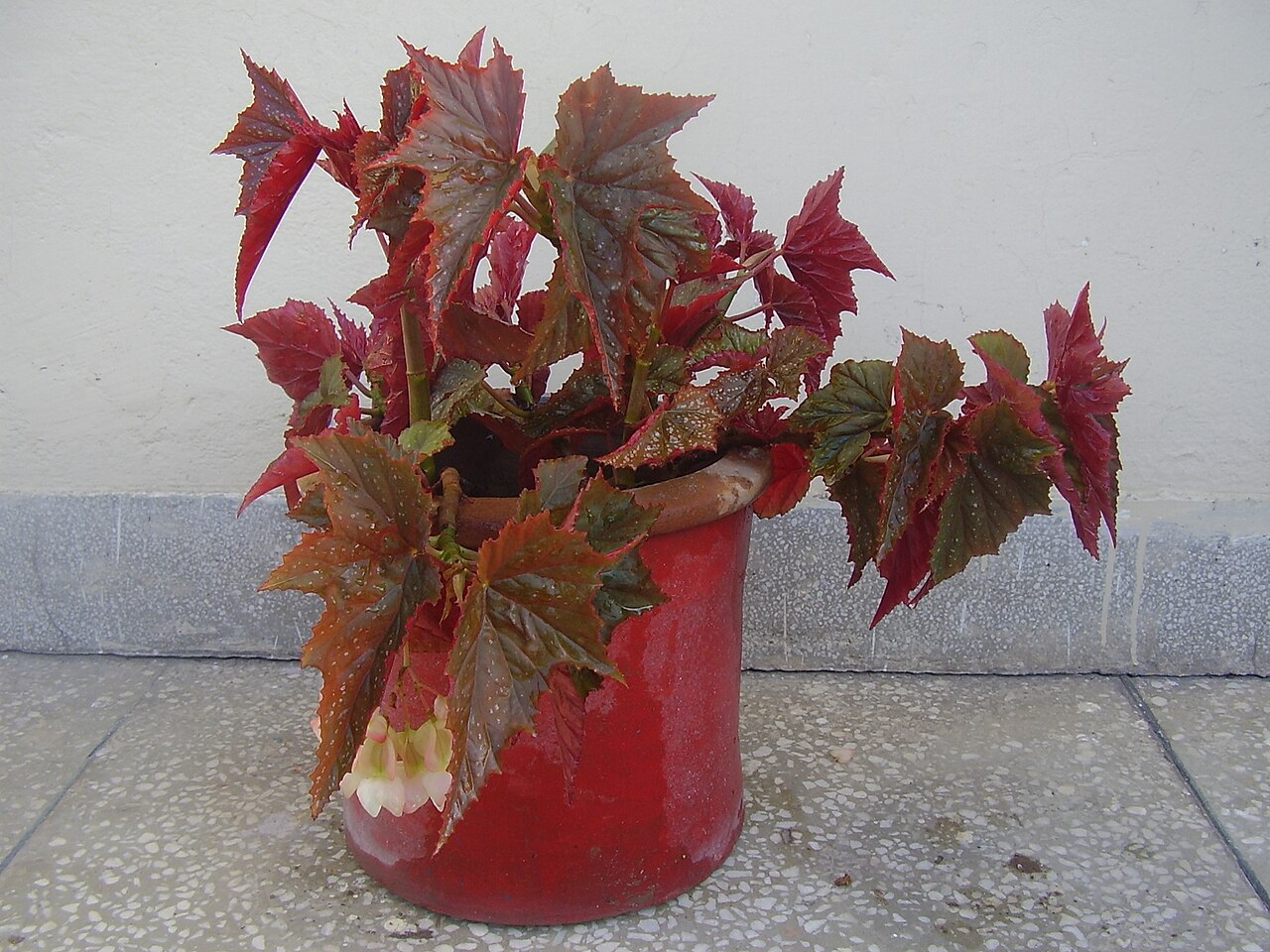
Begonias are recognized by a few recurring traits. Leaves are frequently unequal at the base and may be plain, variegated, or textured. Flowers are unisexual with male and female blooms on the same or separate plants depending on the species. Below are common features:
- Foliage: Asymmetrical, variable in color and surface texture.
- Flowers: Often pink, red, white or yellow; structure varies by species.
- Growth habit: Rhizomatous, tuberous, shrub-like or cane-forming.
History and distribution
Begonias occur primarily in tropical and subtropical zones of the Americas, Africa and Asia, thriving in moist, shaded environments. Many species were introduced to European horticulture in the 18th and 19th centuries, where hybridization expanded their diversity. For regional information, consult resources on their climate preferences at subtropical habitats and tropical climates.
Uses and cultivation
Begonias are grown for ornamental foliage and flowers, both outdoors in suitable climates and indoors as houseplants. Tuberous types are prized for large seasonal blooms, while rex and rhizomatous types are appreciated for foliage. Basic cultivation notes include moderate light, high humidity, and well-draining soil. Practical growing guides can be found via general cultivation pages such as houseplant care and specific species lists at begonia species.
Varieties, uses and notable distinctions
Gardeners and collectors distinguish begonias by habit (tuberous, rhizomatous, cane, shrub) and by leaf form. They are used in shady borders, containers, hanging baskets and as indoor decorative plants. While many begonias are easy to grow, some species have specialized needs. Further taxonomic or horticultural details are available at general references such as plant taxonomy and cultivation databases at horticulture resources.
Note: Because the genus is large and taxonomic opinions change, counts of species and specific names can vary between sources. For identification and conservation status, consult specialist literature or botanical databases.
Tags
Related articles
Author
AlegsaOnline.com Begonia (genus of flowering plants) Leandro Alegsa
URL: https://en.alegsaonline.com/art/10124