
Betulaceae (birch family): overview, traits, distribution and uses
Betulaceae, the birch family of temperate trees and shrubs, includes birches, alders, hornbeams and hazels. Wind-pollinated and catkin-bearing, they are ecologically and economically important in northern temperate regions.
Overview
Betulaceae is a family of flowering plants commonly called the birch family. Members are mostly small to medium-sized deciduous trees and shrubs native to temperate regions of the Northern Hemisphere. Prominent groups include birches, alders, hornbeams and hazels. For general taxonomic context see related resources.
Image gallery
3 Images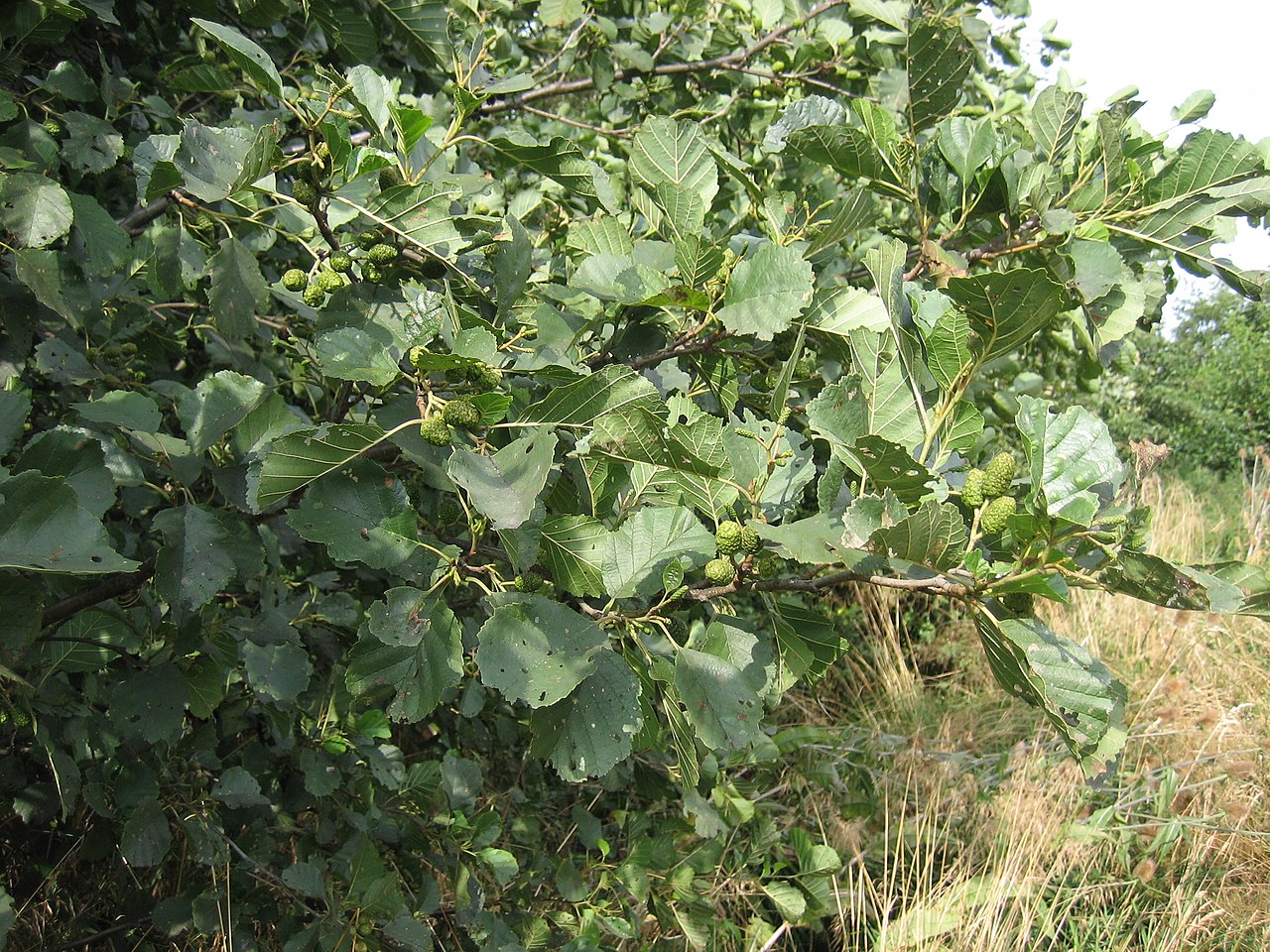


Key characteristics
Plants in this family share several recognizable features. Leaves are typically simple, alternate and often toothed. Reproduction is usually monoecious, with separate male and female flowers arranged in catkins; pollination is largely by wind. Seeds are small and frequently winged or in bract clusters, adapted for dispersal by wind.
Genera and classification
- Betula (birches) — slender trunks, papery bark.
- Alnus (alders) — often associated with wet sites; some form symbioses that improve soil nitrogen.
- Corylus (hazels) — shrubs and small trees producing edible nuts.
- Carpinus and Ostrya (hornbeams and hop-hornbeams) — hard woods used for tools and fuel.
Distribution and ecological role
Betulaceae are chiefly found across temperate forests of Europe, Asia and North America. Many species are pioneer plants that colonize disturbed or open sites, stabilizing soils and creating conditions that allow later-successional species to establish. Alders in particular improve soil fertility through associations with nitrogen-fixing microbes.
Uses and significance
Species in this family have multiple human uses: hazelnuts are cultivated for food; birch bark and sap have traditional uses; woods from hornbeams and birches are valued for fuel, tool handles and small carpentry; alders are used in land reclamation and streambank stabilization. Wildlife benefit from the seeds, catkins and habitat these plants provide.
History and notable facts
Fossil evidence indicates an ancient presence of Betulaceae in the Northern Hemisphere, and modern classification often separates the family into two subgroups reflecting morphological differences. Their wind-pollinated catkins and ability to thrive in cool climates make them characteristic components of temperate ecosystems.
Related articles
Author
AlegsaOnline.com Betulaceae (birch family): overview, traits, distribution and uses Leandro Alegsa
URL: https://en.alegsaonline.com/art/11074