
Thai basil: characteristics, culinary uses, and cultural context
Thai basil is a variety of sweet basil used across Southeast Asia. Recognizable by its narrow leaves, purple stems and anise-like scent, it’s prized in soups, curries and stir-fries and served fresh as a condiment.
Overview: Thai basil is a culinary variety of sweet basil (sweet basil) widely cultivated and used throughout Southeast Asia. It is valued for a bright, slightly spicy aroma that hints of anise or licorice and for its ability to complement both raw and cooked dishes. The plant’s appearance — narrow leaves, purple stems and mauve flowers — makes it distinct among other basils.
Image gallery
4 Images
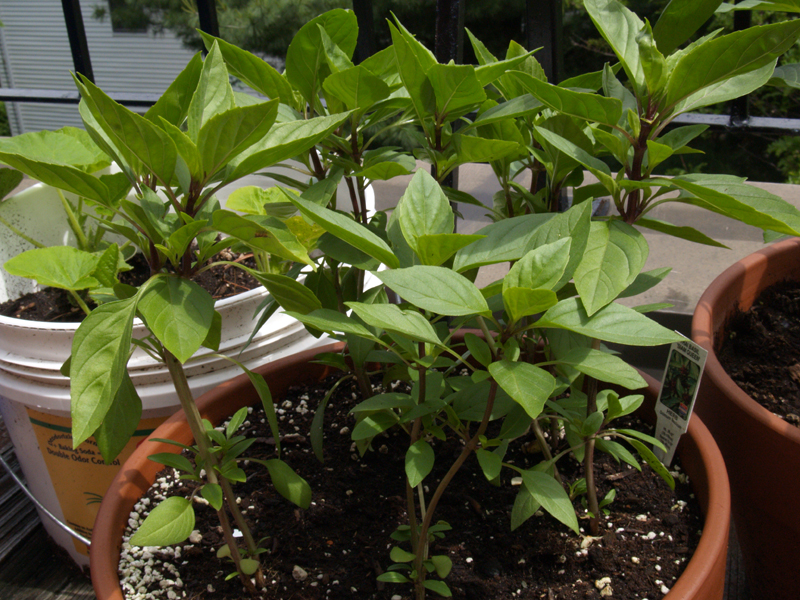


Characteristics
Key identifying features include small, narrow glossy leaves; stems often tinged purple; and clusters of mauve or pink-purple blossoms (see flower color details). The leaves release a sweet, anise-like scent when crushed; this flavor profile is one reason cooks choose Thai basil in recipes that pair well with licorice or fennel notes (anise-flavored).
History and cultivation
While basil originated in tropical regions of Africa and Asia, the form known as Thai or Asian basil became established across Southeast Asia and in overseas Chinese and Vietnamese communities. It is commonly grown from seed, prefers warm, sunny conditions and is treated as an annual in temperate climates or as a perennial in the tropics. Several named cultivars exist; one that has become familiar to gardeners and specialty growers in the United States is marketed as 'Queen of Siam' and is widely available in North American markets (United States).
Culinary uses and examples
Thai basil is used both raw and cooked. Fresh leaves are served as a condiment (condiment) alongside bowls of Vietnamese phở (phở), allowing diners to adjust aroma and brightness to taste. In Taiwanese cuisine it appears in dishes such as sanbeiji (three-cup chicken), where its perfume complements savory, soy-based sauces. It is also common in Thai curries and stir-fries; because of its resinous, anise-scented character the herb endures heat better than some sweet basils and adds a distinctive lift to rich or spicy preparations.
Distinctions and practical notes
Thai basil should not be confused with holy basil (a different Ocimum species) which has a pepperier, clove-like flavor and a different leaf shape. For cooks: pick leaves just before serving when using raw, and add a handful near the end of cooking when a fresher note is desired. Gardeners value the plant for fast growth, attractive flowers and relative ease of propagation from cuttings or seed.
Questions and answers
Q: What is Thai basil?
A: Thai basil is a type of sweet basil found in Southeast Asia.
Q: What do the leaves of Thai basil look like?
A: The leaves of Thai basil are small and narrow, and the stems are purple.
Q: What color is the flower of Thai basil?
A: The flower of Thai basil is a mauve (pink-purple) color.
Q: What is the name of one cultivar of Thai basil commonly grown in the United States?
A: One cultivar commonly grown in the United States is 'Queen of Siam'.
Q: What popular Taiwanese dish uses Thai basil as an ingredient?
A: Thai basil is an important ingredient in the very popular Taiwanese dish, sanbeiji (three cup chicken).
Q: How is Thai basil typically served with phở?
A: As a condiment, a plate of raw Thai basil leaves is often served with phở (Vietnamese-style noodle soup) so each customer can season it to taste with the anise-flavored leaves.
Q: What is the taste of Thai basil like?
A: Thai basil has an anise-like flavor.
Related articles
Author
AlegsaOnline.com Thai basil: characteristics, culinary uses, and cultural context Leandro Alegsa
URL: https://en.alegsaonline.com/art/97337
Sources
- commons.wikimedia.org : Ocimum basilicum thyrsiflorum