
Teosinte: wild grasses of the genus Zea and the ancestor of maize
Teosintes are wild grasses in the genus Zea native to parts of Mesoamerica. They are the closest wild relatives of maize and are important for genetics, crop improvement, and biodiversity conservation.
Teosinte is the common name for several wild grasses in the genus Zea, native to parts of Mesoamerica. Populations occur across regions including Mexico, Guatemala and Nicaragua. Teosintes are best known for their close relationship with cultivated maize (corn); agricultural and genetic studies have shown that the domesticated crop was derived from teosinte ancestors and that these wild relatives still harbor genetic diversity useful to breeders.
Image gallery
10 Images
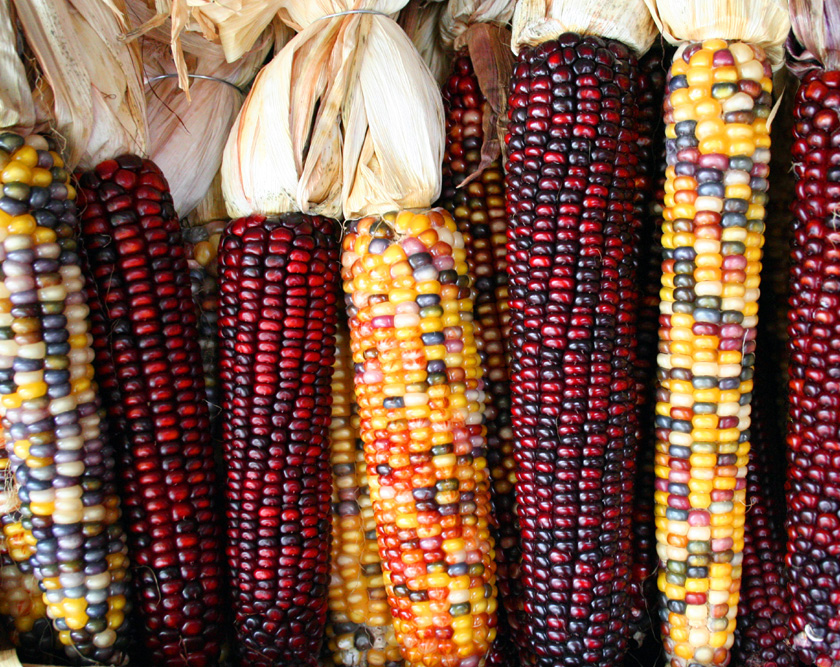


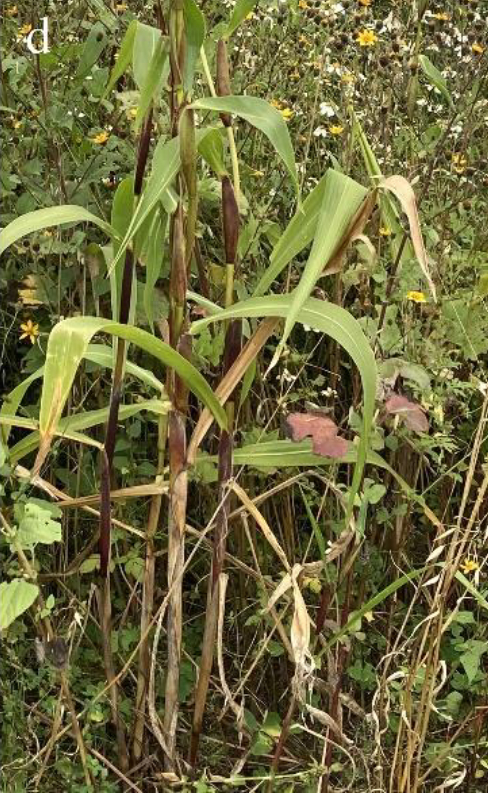
Characteristics and recognized species
Teosintes range from tufted annuals to spreading perennials. Compared with maize, they typically have thinner stems, fewer and smaller ears, and kernels enclosed in a hard casing. Some species reproduce yearly while others regrow from underground structures. Botanists recognize several species within the genus, commonly listed as:
- Zea diploperennis
- Zea perennis
- Zea luxurians
- Zea nicaraguensis
- Zea mays (including wild subspecies)
Domestication, research and importance
Evidence from archaeology and genetics indicates that maize was domesticated from teosinte in Mesoamerica. Studies of teosinte morphology and DNA have helped researchers trace how a few genetic changes produced the large cobs and exposed kernels of modern maize. Because teosintes retain traits lost in domestication, they are valuable in research on plant evolution and development.
Practical uses of teosinte include serving as a reservoir of genes for resistance to pests, diseases and environmental stress, and as a source of diversity for breeding programs. Conservation of wild teosinte populations is a priority for maintaining these genetic resources, as habitat loss and small population sizes can threaten local varieties.
Notable issues around teosinte include the taxonomy of wild and cultivated forms, natural hybridization with maize, and the existence of perennial species that contrast with annual crop varieties. Ongoing botanical and genetic work continues to refine species boundaries and to explore how teosinte diversity can support sustainable agriculture and biodiversity preservation.
Related articles
Author
AlegsaOnline.com Teosinte: wild grasses of the genus Zea and the ancestor of maize Leandro Alegsa
URL: https://en.alegsaonline.com/art/97047