
Tecophilaea — the Chilean blue crocus genus
Tecophilaea is a small genus of bulbous flowering plants in the family Tecophilaeaceae, noted for vivid blue, crocus-like blooms. Native to Chile, one species faces conservation concern.
Overview
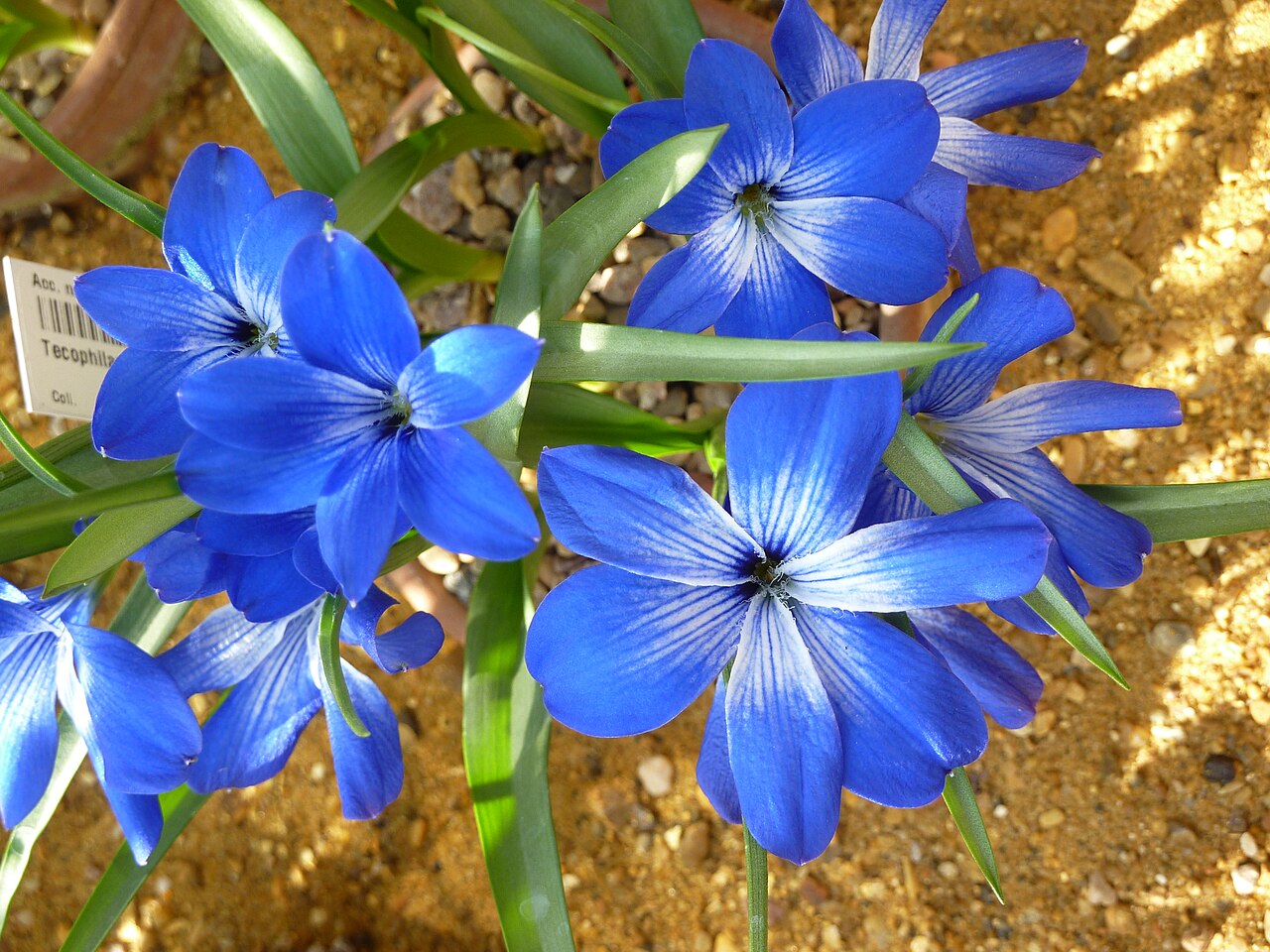
Tecophilaea is a small genus of cormous flowering plants in the family Tecophilaeaceae. The plants are best known for their striking, crocus-like blue flowers and a compact growth habit. Although often called Chilean blue crocus, they are not true crocuses and belong to a separate botanical family.
Image gallery
4 Images


Characteristics
Members of the genus are perennial, spring-flowering corm plants producing one or a few straplike leaves and a scape bearing cup-shaped blooms. The flowers range from deep sapphire-blue to violet and are prized for their unusual color in temperate gardens. Plants typically follow a summer-dormant cycle adapted to a Mediterranean climate, with growth in cool, moist seasons and dormancy through hot, dry months.
Species
- The genus contains two recognized species; both are native to Chile and adapted to Andean foothill habitats.
- One well-known member, the Chilean blue crocus, Tecophilaea cyanocroca (often written T. cyanocrocus), is of particular horticultural and conservation interest. For a concise list of species see species information.
Cultivation and uses
Tecophilaea species are valued in rock gardens, alpine collections and containers for their intense flower color. They prefer sharply drained, sandy or gravelly soils and bright light with protection from excessive summer moisture. Propagation is commonly by division of corms or by seed. Gardeners consult specialized horticultural guides for region-specific cultivation advice (horticulture resources).
History and conservation
Tecophilaea attracted European plant collectors in the 19th century and has since been grown by enthusiasts for its rare flower coloration. Habitat loss, overcollection and grazing pressure have placed some populations at risk; one species is listed as a conservation concern by international authorities (conservation listing). Conservation efforts combine habitat protection, cultivation in botanical gardens and regulated trade. For broader family context see Tecophilaeaceae information.
Although a small genus, Tecophilaea highlights important themes in botany and conservation: specialized habitat adaptation, horticultural demand for uncommon flower traits, and the role of ex situ cultivation in preserving threatened taxa.
Related articles
Author
AlegsaOnline.com Tecophilaea — the Chilean blue crocus genus Leandro Alegsa
URL: https://en.alegsaonline.com/art/96698