
Baseball (ball): design, dimensions, construction and uses
A baseball is the standard ball used in the sport of baseball. This article explains its size, materials, construction, history, uses and notable distinctions, including how seams and stitching affect play.
Overview
A ball used in the sport of baseball is a compact, high‑density sphere designed for striking, pitching and fielding. The term baseball can refer both to the game and to the ball itself. Official adult baseballs typically measure about 9 inches to 9¼ inches in circumference (roughly 22.9 cm to 23.5 cm) and weigh approximately 5 to 5¼ ounces. Youth organizations and recreational leagues often use slightly different sizes or softer constructions to suit younger players and reduce impact.
Image gallery
5 Images



Construction and materials
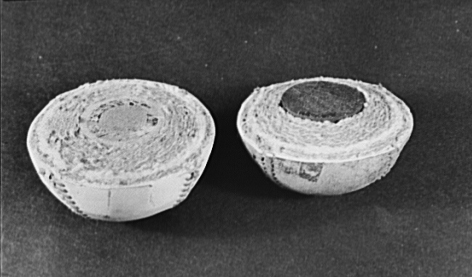
A modern baseball has several layered components engineered to give it the desired resilience, weight and flight. At the center is typically a small core made from cork, rubber, or a composite of both; some cores include a thin cushion of material for consistency. That core is wrapped with multiple tight windings of yarn or twine, sometimes incorporating wool layers to control bounce and density. The outer cover is usually made from two pieces of white leather stitched together. Traditional balls are sewn by hand with 108 double stitches using waxed cotton or synthetic thread; the visible red color of the seams is now a standard feature used for visibility and contrast. The thread and thread tension influence seam height and durability.
How features affect play
The raised seams and their stitching pattern are more than decorative: they alter airflow around the ball, giving pitchers the ability to make pitches break or move. Grip on the seams lets pitchers generate spin for curveballs, sliders and other pitches. Manufacturers and leagues closely control seam height, stitch count and surface finish because small variations can change how far or how erratically a ball will travel.
History and standardization
Early baseballs were handmade and varied widely in size and materials. As the sport professionalized in the late 19th and early 20th centuries, manufacturers and governing bodies moved toward standard dimensions and construction methods to ensure fairness and consistency. Today, major professional leagues require balls that meet precise specifications; for example, official Major League balls are produced to league standards by licensed manufacturers. Youth organizations permit modified designs appropriate for development and safety, and many children’s leagues specify lighter or softer models.
Manufacturing process (summary)
- Form the inner core from cork, rubber or a composite.
- Layer and wind yarn or twine tightly around the core in multiple stages.
- Cut and shape the two leather panels and apply them to the wound core.
- Sew the panels together by hand or machine, using waxed red cotton thread and the standard stitch pattern.
- Finish, inspect and stamp with manufacturer marks before packaging and distribution.
Uses, variations and notable facts
Baseballs are used in competitive play, practice, drills, and batting cages, and specialized balls exist for training (softer practice balls, weighted balls for strength work). They differ from other ball sports equipment—softballs are larger and softer, cricket balls are harder and have a different seam pattern. Because alteration of a ball (such as applying foreign substances, deliberately scuffing, or "corking") can affect flight and safety, such modifications are generally prohibited by the rules. Collectors and fans often value game‑used or specially stamped balls produced by companies like Rawlings and other licensed makers; manufacturing details like layered cores or specific winding methods can be points of distinction. For further information see suppliers and historical references: ball, sport, baseball, manufacturer pages and league rules.
Common terms associated with the ball include its circumference, weight, stitch count, seam height, and cover material. The combination of a compact core, tight windings, and a stitched leather cover gives the baseball its characteristic feel, resilience and behavior in flight—qualities that have made it a central object of a globally played sport.
Related materials and components: cork, rubber, yarn, twine, wool, leather, and various treated waxed and colored threads such as red cotton thread. For manufacturing, specification and purchasing details consult licensed suppliers and league regulations via official channels such as Major League resources.
Tags
Related articles
Author
AlegsaOnline.com Baseball (ball): design, dimensions, construction and uses Leandro Alegsa
URL: https://en.alegsaonline.com/art/9201