
Baseball uniform
Clothing worn by baseball players that identifies teams and players; covers components, materials, history, rules, and cultural importance.
Overview
A baseball uniform is the distinctive clothing worn by players during games and official events. Beyond function, a uniform signals team affiliation and helps umpires, fans, and broadcasters identify players. Modern uniforms combine team names, numbers, and logos with standardized colors and cuts for home, away and alternate designs. For information on official merchandise and licensing see team apparel and for general explanations of sporting uniforms.
Image gallery
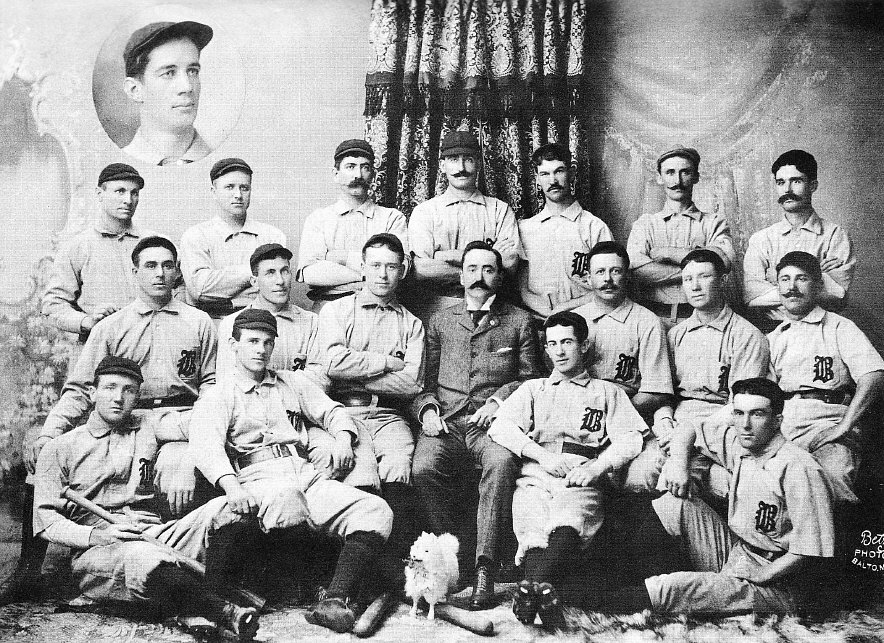
10 Images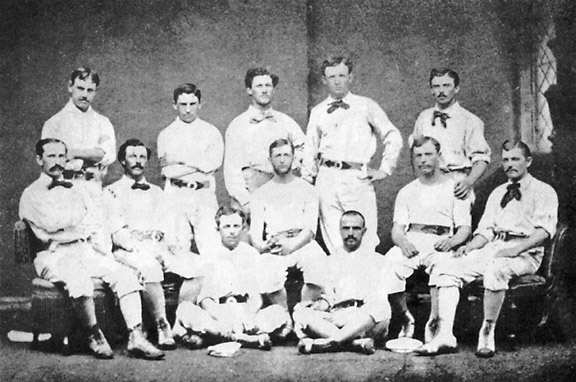



Typical components and identification
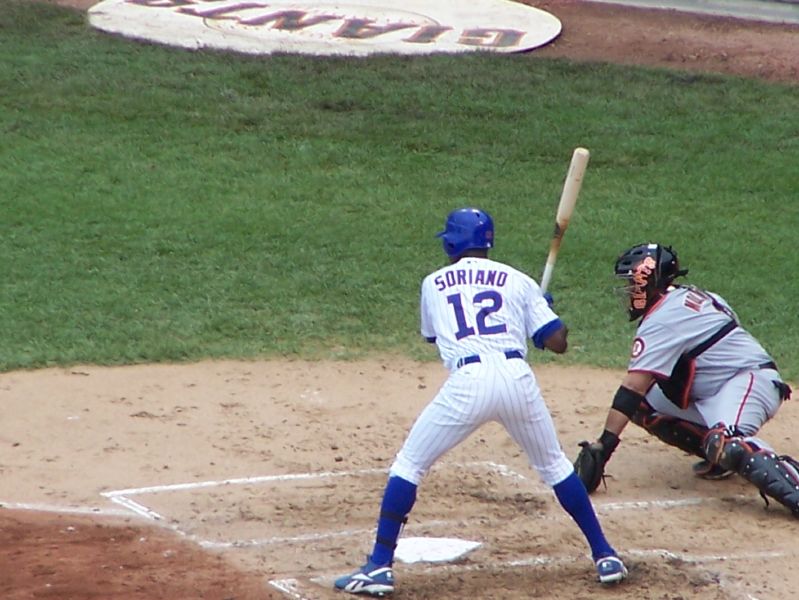
A standard baseball uniform includes several core pieces, each serving a practical purpose and contributing to team identity. Most jerseys display the player’s surname and a uniform number on the back so individuals are easy to recognize by spectators and scorekeepers; this convention is discussed in resources about names and numbers.
- Jersey (shirt) — the team top, often button-down or pullover, is where logos and sponsorships are prominent. See a typical jersey.
- Pants — durable trousers designed for sliding and running; they coordinate with team colors and trim.
- Shoes (cleats) — footwear with spikes or studs that provide traction on grass and dirt; examples of baseball shoes.
- Socks and stirrups — visible below the pants, often in team colors or stripe patterns; related to socks.
- Cap — a brimmed hat that shades the eyes and displays the team emblem.
- Helmet — worn by batters and base runners for protection; see standard batting helmets.
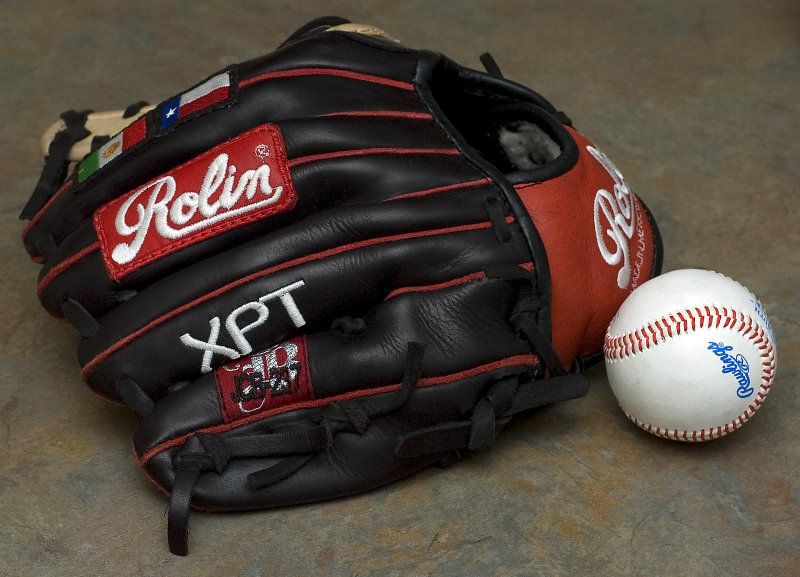
- Gloves — fielding gloves are essential equipment but usually chosen by the player rather than issued as part of the uniform; guidance on glove types.
- Logos and colors — emblems and palettes unify a club’s look; examples of common logos and team colors.
Materials, design and special roles
Early uniforms used heavy natural fabrics; contemporary garments favor lightweight, breathable synthetics that wick moisture and withstand repeated washing. Design choices — from pinstripes to piping and sleeve length — balance tradition, performance and marketing. Certain positions wear specialized items: catchers use extensive protective gear, pitchers may wear different sleeve styles, and designated hitters or base coaches will follow similar team styles while fulfilling league safety rules.
History and development
Organized baseball adapted clothing from mid-19th century leisure wear. One of the earliest recorded teams to adopt a consistent outfit was the New York Knickerbockers in the 1840s; historical descriptions note their combination of pants and shirts such as Knickerbocker attire. Early materials included heavier textiles like blue wool and white flannel, and players sometimes wore informal headgear such as straw hats. Over decades the look evolved — from rudimentary garments to the modern multi-piece system — with gradual stylistic changes in cut and ornamentation described under broader discussions of uniform style.
Uses, regulations and cultural importance
Leagues set rules about logos, advertising patches and colors to maintain clarity and safety; teams may have separate home, away and alternate uniforms for marketing and tradition. Uniforms are central to fan identity and merchandising: replica jerseys are widely sold to supporters, and some teams use throwback or commemorative editions to honor history. Numbers can be retired to honor outstanding players, and uniform elements sometimes become symbols beyond sport, appearing in fashion or popular culture.
Notable distinctions and practical notes
While many elements are standard, variations exist by level of play and region. Youth and amateur teams often simplify materials for cost and durability; professional clubs invest in high-performance fabrics and bespoke tailoring. Protective equipment such as batting helmets and catchers’ masks are regulated for safety standards. For those researching specific teams, league rules, or equipment choices, consult official sources linked earlier and specialized guides on maintenance, sizing, and permitted decorations.
Questions and answers
Q: What is a baseball uniform?
A: A baseball uniform is clothing that baseball players wear during games to identify their team.
Q: What items are part of the uniform?
A: Baseball shirts, pants, shoes, socks, caps and helmets are all parts of the uniform. Gloves are not considered part of the uniform as players can choose their own gloves.
Q: How do uniforms identify each player?
A: Most baseball uniforms have the last names and uniform numbers of players on the back to identify each player.
Q: When were baseball uniforms first worn?
A: Baseball uniforms were first worn by the New York Knickerbockers Baseball Club in the 1840s.
Q: What did these early uniforms look like?
A: The early uniforms consisted of pants made of blue wool, white flannel shirts and straw hats.
Q: How has the style changed over time?
A: Over time more items have been added to these uniforms and their style has changed little by little.
Q: What other improvements have been done to these uniforms over time?
A: Many other improvements such as ideas and items have been added to these uniforms over the years.
Tags
Related articles
Author
AlegsaOnline.com Baseball uniform Leandro Alegsa
URL: https://en.alegsaonline.com/art/9208
Sources
- americanchronicle.com : "History of Baseball Uniforms"
- fireflyarticles.com : "Baseball Uniforms in the Major Leagues: The Evolution of the Battle Suit"
- exhibits.baseballhalloffame.org : "The history of the baseball uniform at the National Baseball Hall of Fame"
- prlog.org : "Uniforms of the 19th century are different from toda's"
- 19cbaseball.com : "Date when the New York Knickerbockers wore the first baseball uniforms and what they were made of"
- interpret.co.za : "History Of Baseball Uniforms In The Major Leagues"
- exhibits.baseballhalloffame.org : "The history of the baseball uniform at the National Baseball Hall of Fame"
- exhibits.baseballhalloffame.org : "National Baseball Hall of Fame – Dressed to the Nines – Uniform Database"
- isnare.com : "History Of Baseball Uniforms In The Major Leagues"
- baseball-almanac.com : "Baseball Uniforms of the 20th Century by Baseball Almanac"
- sanfrancisco.giants.mlb.com : "The Official Site of The San Francisco Giants:History: Giants Uniforms and Logos"
- time.com : "Charlie Finley: Baseball's Barnum"
- customauthenticjerseys.com : "Major League Baseball history of pinstripes"