
Baseball: rules, equipment, positions, history and global influence
Baseball is a bat-and-ball team sport played on a diamond. This article explains basic rules, field and equipment, positions, gameplay, historical development and the sport's global reach.
Overview
Baseball is a bat-and-ball team sport contested between two sides that alternate between batting and fielding. Each team usually fields nine players in organized play. The batting side attempts to score runs by hitting a pitched ball and advancing a runner around a sequence of four bases to return to home plate. The fielding side seeks to record outs through catches, force plays, strikeouts and tags to limit scoring. Managers and coaches use tactics such as pitching changes, defensive shifts and baserunning strategy to influence outcomes.
Image gallery
10 Images






Field, layout and equipment
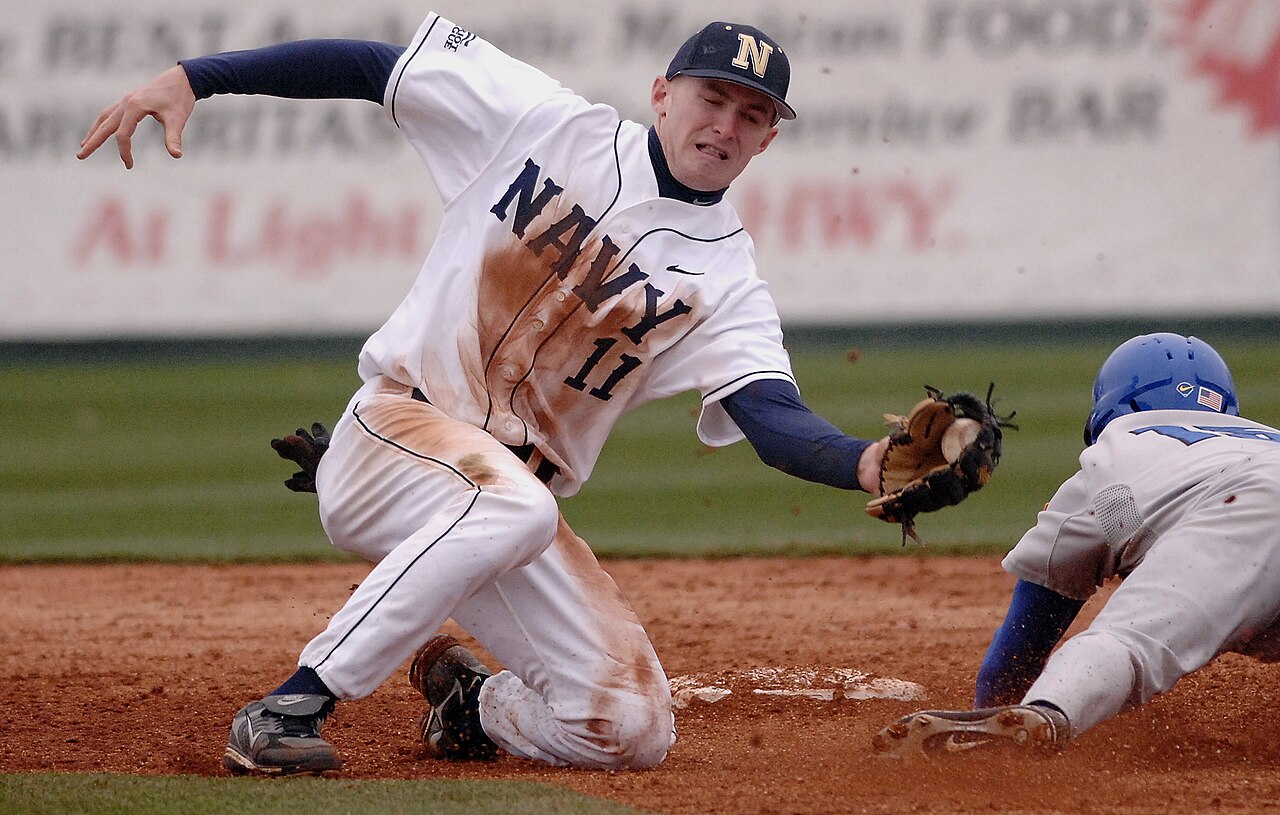
The playing area centers on an infield diamond made by first, second and third base and home plate. In professional North American play the bases are 90 feet apart; amateur and youth fields use shorter distances. The pitcher's mound, outfield grass and foul territories shape play. Standard equipment includes the baseball (a small core wrapped in yarn and concealed by leather), bats (wood in many pro leagues; metal or composite in amateur rules), gloves for fielders, helmets for batters and catcher's protective gear. Teams wear uniforms and cleated shoes suited to the surface.
Basic gameplay and structure
A typical professional game lasts nine innings, each split into a top and bottom half so teams alternate batting. A plate appearance ends in an out, a hit, a walk, or other result; three outs retire the half-inning. Pitchers aim to get batters out using a mix of fastballs, breaking balls and off-speed pitches, while batters try to make productive contact. The ball-and-strike count governs each at-bat: accumulating strikes can lead to a strikeout, while taking four balls yields a walk. Runners may advance on contact, steals, errors or sacrifices. Tied games go into extra innings until a winner is decided under the competition's rules.
Positions and common plays
- Pitcher: starts every play, controls tempo and attempts to retire batters.
- Catcher: handles pitches, frames calls and directs defensive positioning.
- Infielders: first base, second base, shortstop and third base handle ground balls and force plays.
- Outfielders: left, center and right field cover fly balls and prevent extra-base hits.
- Typical plays include the double play, sacrifice bunt, stolen base, tag plays at the plate and relay throws from the outfield.
History and international development
Roots of modern baseball trace to various bat-and-ball games in the 18th and early 19th centuries. In the mid-1800s sets of rules became standardized and professional clubs emerged. Organized leagues grew through the late 19th and 20th centuries, and in many countries the sport developed its own professional circuits. Baseball spread internationally via trade, migration and cultural exchange; it is especially popular today in parts of North and South America, the Caribbean and East Asia, with well-established professional systems and youth programs.
Cultural role, variations and notable aspects
Baseball has played a prominent cultural role, inspiring literature, film and civic rituals. In the United States it has often been called the "national pastime," and the sport's social history includes significant moments such as racial integration and the rise of statistical analysis. Variants include softball (larger ball, smaller field), vintage and slow-pitch forms, plus numerous informal street and backyard versions. Rules differ between leagues in matters like the designated hitter, instant replay, roster size and game length, which can affect strategy and fan experience.
Further reading and resources
- Basic rules and terminology
- Pitching and batting fundamentals
- Equipment and gear guide
- Early bat-and-ball game origins
- Scoring, runs and statistics
- Origins and growth in the United States
- 19th-century rule development
- Formation of professional leagues
- Baseball in North America
- Baseball across South America
- East Asian baseball traditions
- Baseball in Japan and professional structure
- Comparison with other team sports
- Major international competitions and cultural impact
Questions and answers
Q: What is baseball?
A: Baseball is a bat-and-ball sport played on a field by two teams against each other.
Q: How is baseball played?
A: In baseball, a player on one team throws a small round ball at a player on the other team, who tries to hit it with a bat. Then the player who hits the ball has to run around the field.
Q: How do players get runs in baseball?
A: Players get runs by running around in a full circle around three points on the ground called bases, to back where they started, which is called home plate. They have to do this without getting caught by the players on the other team.
Q: When and where did baseball start?
A: Baseball started in the United States in the 1700s and 1800s.
Q: Where is baseball played?
A: Many people in North America, South America, and East Asia play baseball, but the sport is most known in the United States and Japan.
Q: Why is baseball called the national pastime in the U.S.?
A: Baseball is called the national pastime in the U.S. because so many people in the United States used to spend a lot of time playing or watching baseball games.
Q: What is the most popular sport in the U.S.?
A: Today, most Americans follow football more than baseball, especially when it comes time for the Super Bowl.
Related articles
Author
AlegsaOnline.com Baseball: rules, equipment, positions, history and global influence Leandro Alegsa
URL: https://en.alegsaonline.com/art/9209