
Baseball cap: design, history, uses and cultural significance
A rounded crown hat with a projecting bill originally worn by baseball players; now a global casual accessory. Covers design, parts, history, variations, and cultural uses.
Overview
The baseball cap is a soft hat with a rounded crown and a protruding visor or bill, originally developed as part of a sports uniform. It is commonly associated with the sport of baseball, but it is also widely used in everyday dress, advertising, and fashion. A typical cap shades the face and helps keep hair out of the eyes, while serving as a visible symbol of team identity or personal style.
Image gallery
10 Images
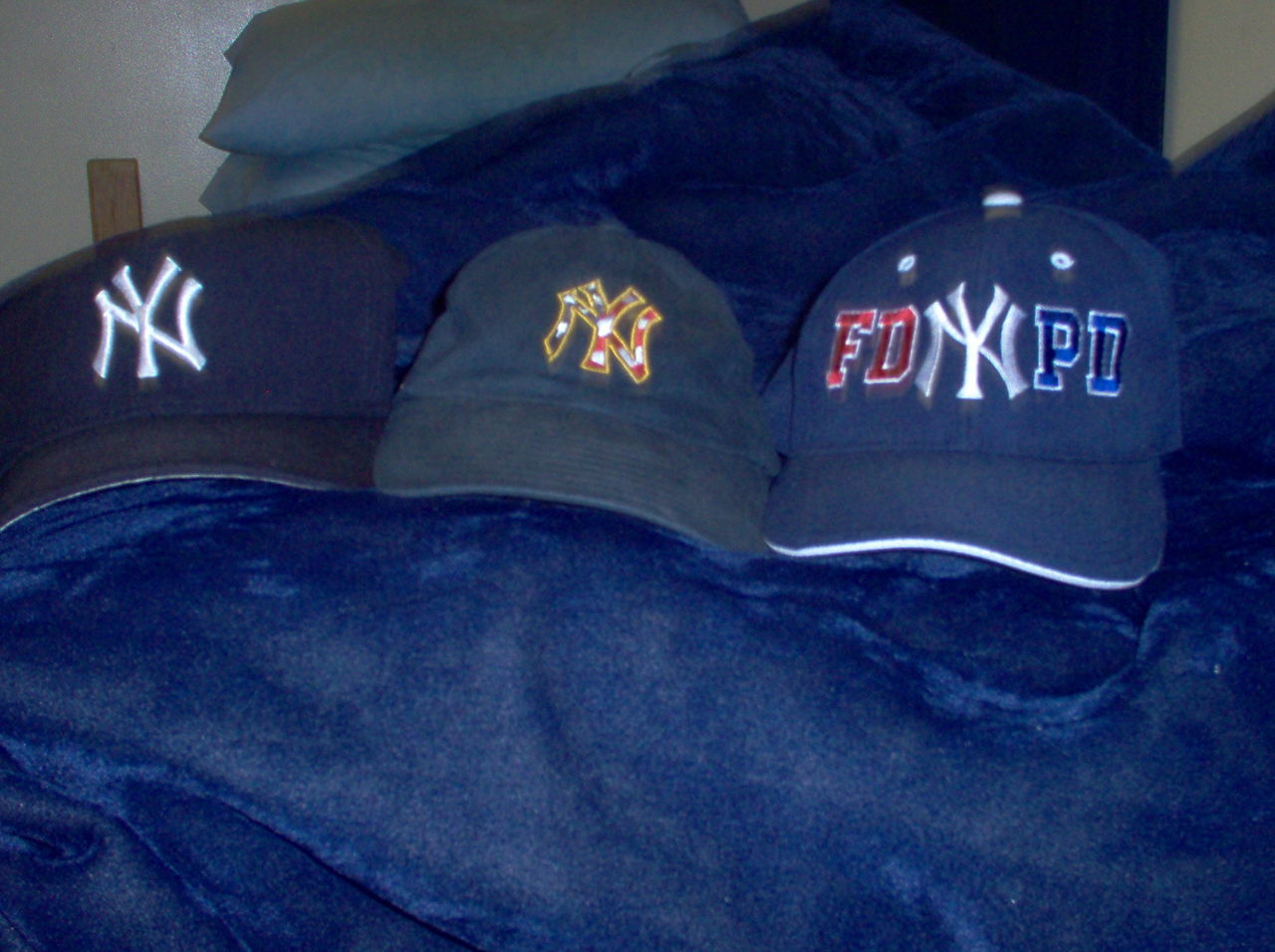





Design and components
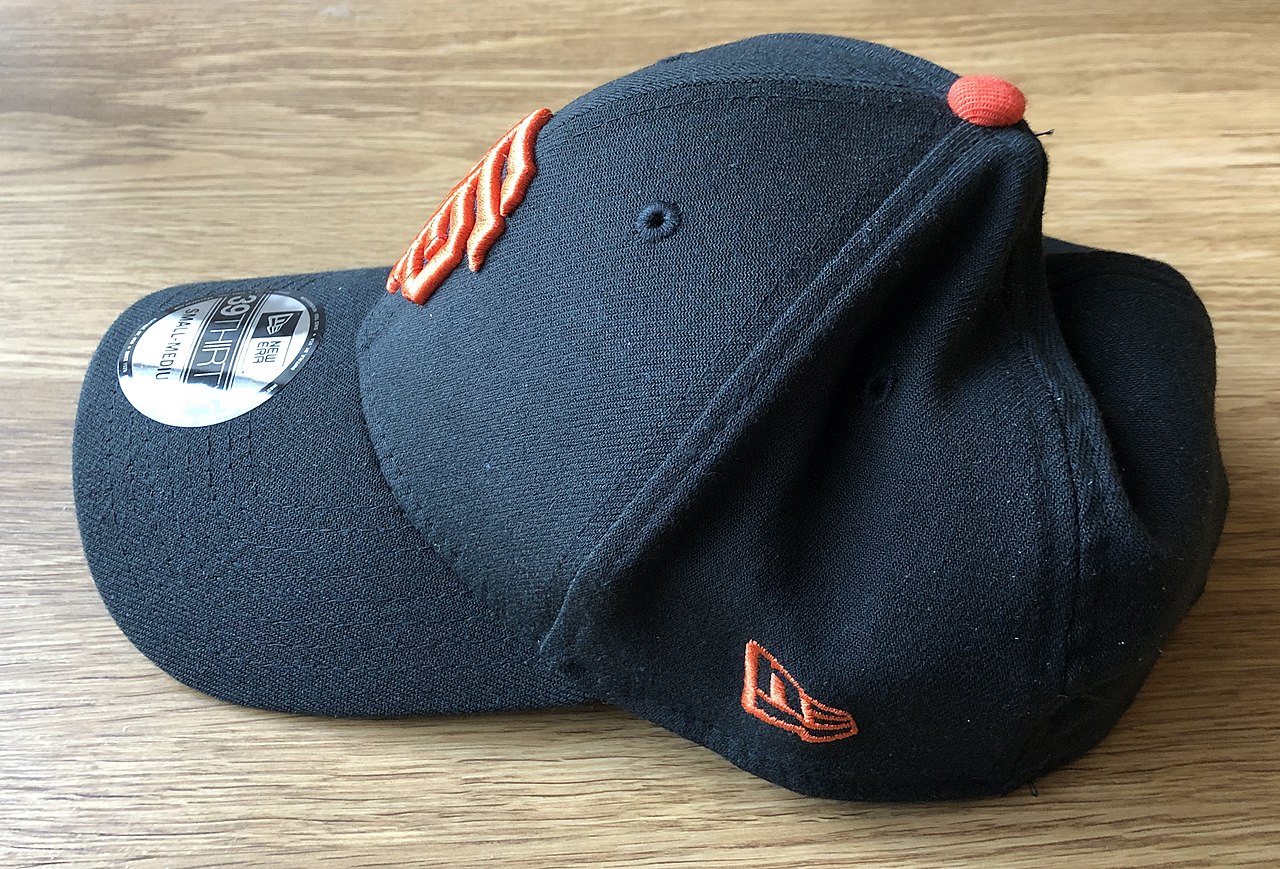
Most modern caps consist of several standard elements: a multi-panel crown, a curved or flat bill, an inner sweatband, and an adjustment system at the rear. Common materials include cotton twill, wool blends, polyester, and mesh. Variations in construction produce distinct silhouettes such as low-profile, mid-profile, and high-profile crowns. The simplest way to distinguish parts is by listing them:
- Crown: the rounded top made from stitched panels
- Bill/visor: the projecting brim that shades the eyes
- Sweatband: an inner strip that absorbs moisture
- Closure: snapback, strap, fitted, or elastic
History and development
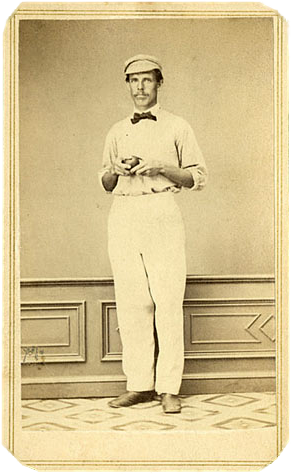
Caps evolved from 19th-century baseball uniforms and practical work hats. They became standardized in professional teams as early as the late 1800s and gradually entered civilian wardrobes. Over the 20th century the cap shifted from purely athletic gear to mainstream casual wear, aided by mass manufacturing, team merchandising, and celebrity endorsements.
Uses and cultural importance
Aside from serving as part of a team's uniform, caps act as promotional items, fashion statements, and practical headwear. They are used to display logos, slogans, and political messages, and have been adopted by subcultures, workers, and celebrities. Caps are also common in outdoor activities where sun protection is needed.
Variations and notable facts
Variants include the fitted cap, snapback, strapback, trucker cap (with mesh panels), and the five-panel design popular in streetwear. Some designs emphasize performance features like moisture-wicking fabric or structured crowns for a crisp shape. Collecting vintage team caps is a pastime, and certain models—especially from early eras—are sought after by collectors.
Care and etiquette
Care depends on materials; many caps are hand-washable and should be reshaped while drying to preserve the bill. In social settings, caps can signal informality; removing a cap in formal spaces or during the national anthem remains customary in many places. For more detailed guidance on styles and history, see general resources on hats and sports attire such as specialist pages.
Tags
Related articles
Author
AlegsaOnline.com Baseball cap: design, history, uses and cultural significance Leandro Alegsa
URL: https://en.alegsaonline.com/art/9203