
Sinaloa Cartel
A concise, neutral overview of the Sinaloa Cartel: origins, structure, activities, regional influence, and law-enforcement responses.
Overview
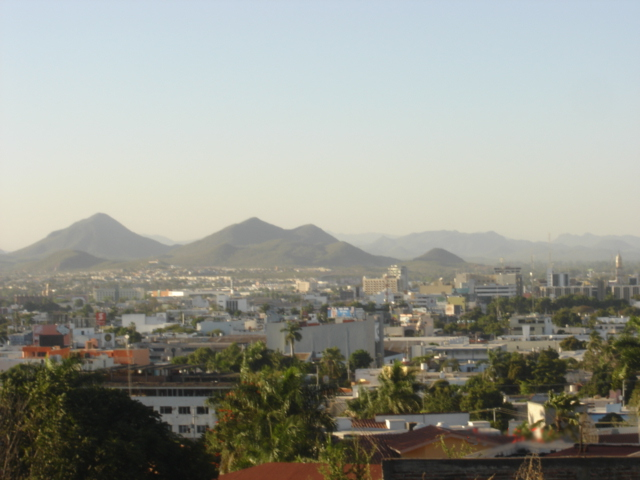
The Sinaloa Cartel is a transnational criminal organization that emerged in Mexico in the late 20th century. Centered historically in the state of Sinaloa and its capital Culiacán, the group became prominent through large-scale drug trafficking, distribution networks, and ancillary crimes such as money laundering. Public reporting and government statements describe it as one of the most influential narcotics trafficking organizations operating across Mexico and into international markets. For a Spanish-language reference to its name, see Cártel de Sinaloa.
Image gallery
7 Images



Organization and characteristics
Rather than a strictly hierarchical corporation, the Sinaloa Cartel has been described as a loose federation of regional cells and allied groups that coordinate production, transport and sales. These units often operate semi-autonomously, negotiating temporary alliances with local criminal actors. Key characteristics include diversified revenue streams, cross-border logistics capabilities, and methods for concealing proceeds. Law-enforcement reporting and analytical summaries discuss its involvement in:
- drug trafficking and illicit manufacture
- money laundering through cash-intensive businesses and financial schemes
- trafficking in people and other forms of organized crime; see a general overview at regional reports
History and development
The group's roots trace to drug-trafficking networks in western Mexico in the 1980s and 1990s. Over time it expanded by building supply chains for multiple narcotics and by forming partnerships with producers and distributors in other parts of Mexico and abroad. High-profile arrests, escapes and prosecutions of leaders altered its public profile and internal dynamics, yet the organization has shown resilience, with leadership often dispersing into new cells or working through proxies. See historical summaries and investigative articles at regional histories and timeline analyses.
Activities, routes and products
The cartel's activities span cultivation and synthesis of controlled substances, trafficking by land and maritime routes, and distribution to consumer markets. Commonly referenced substances associated with its operations include:
- marijuana and precursor cultivation
- opium and heroin production from poppies
- cocaine transported from South America
- synthetic drugs and chemical precursors
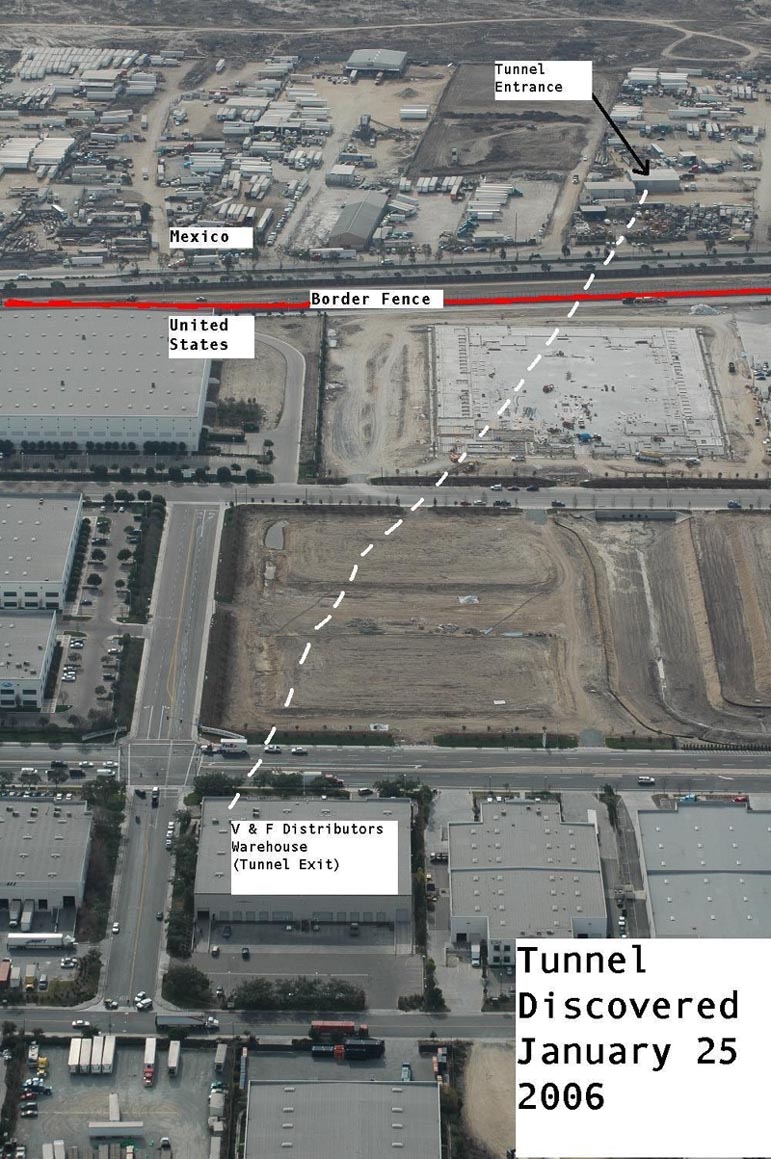
Routes frequently cited in reporting include Pacific coastal corridors, border crossings into the United States, and maritime lanes. Analysts highlight the cartel's ability to adapt routing and concealment strategies in response to law-enforcement pressure; see operational summaries at analyses and case studies.
Impact and law-enforcement response
Authorities in Mexico, the United States and other countries have prioritized investigations and prosecutions against the cartel's leaders and facilitators. Responses have included targeted arrests, extraditions, financial sanctions and cooperative cross-border operations. The group’s prominence has been associated with violence in regions where control of trafficking corridors is contested, and with broader social and economic impacts in affected communities. For policy discussions and enforcement records, see official statements and policy analyses.
Notable facts and distinctions
Several features distinguish the Sinaloa Cartel in public discourse: its long-standing role in multi-drug supply chains, its flexible organizational model, and repeated attention from international media and courts. Coverage and governmental designations describe the cartel as a central actor in hemispheric trafficking networks, though observers note fragmentation, local rivalries and shifting alliances that complicate any single portrayal. For further reading and archived reporting, consult compilations and reference materials.
Summary: The Sinaloa Cartel remains a major subject of study for policymakers, law enforcement and scholars because of its scale, adaptability, and the cross-border consequences of its activities. Reliable open-source reporting and official documents provide the primary basis for most public knowledge about its structure and operations.
Related articles
Author
AlegsaOnline.com Sinaloa Cartel Leandro Alegsa
URL: https://en.alegsaonline.com/art/90592
Sources
- borderlandbeat.com : "Sinaloa Cartel Influence is Steadily Growing In Tijuana"
- theguardian.com : "'The only two powerful cartels left': rivals clash in Mexico's murder capital"
- eluniversal.com.mx : "El cártel de Sinaloa, una alianza de sangre"
- reuters.com : "Mexico blames Gulf cartel for surge in drug murders"
- washingtontimes.com : "100,000-foot soldiers in Mexican cartels"
- ibtimes.co.uk : "Why are the Sinaloa Cartel the World's Most Powerful Gangsters?"
- insightcrime.org : "Sinaloa Cartel"
- reuters.com : "Mexico's Sinaloa gang grows empire, defies crackdown"
- wilsoncenter.org : State of Siege:Drug-Related Violence and Corruption in Mexico
- cnsnews.com : "U.S. Intelligence Says Sinaloa Cartel Has Won Battle for Ciudad Juarez Drug Routes" · web.archive.org
- articles.latimes.com : "Unraveling Mexico's Sinaloa drug cartel"