
Drug cartel: organization, operations, history and impacts
A drug cartel is an organized criminal group that produces, moves and sells illegal narcotics across regions. This article explains structures, routes, history, social effects and law-enforcement responses.
Overview
A drug cartel is an organized criminal enterprise that produces, transports and sells illegal narcotics. Cartels coordinate cultivation or manufacture, distribution networks and retailing operations to supply illicit markets. They are often flexible, using a mix of violent enforcement, corruption, clandestine logistics and money laundering to sustain their activities. Researchers and officials sometimes use the term broadly for any organized trafficking group; other times it denotes transnational networks with a high degree of coordination.
Image gallery
6 Images



Structure and operations
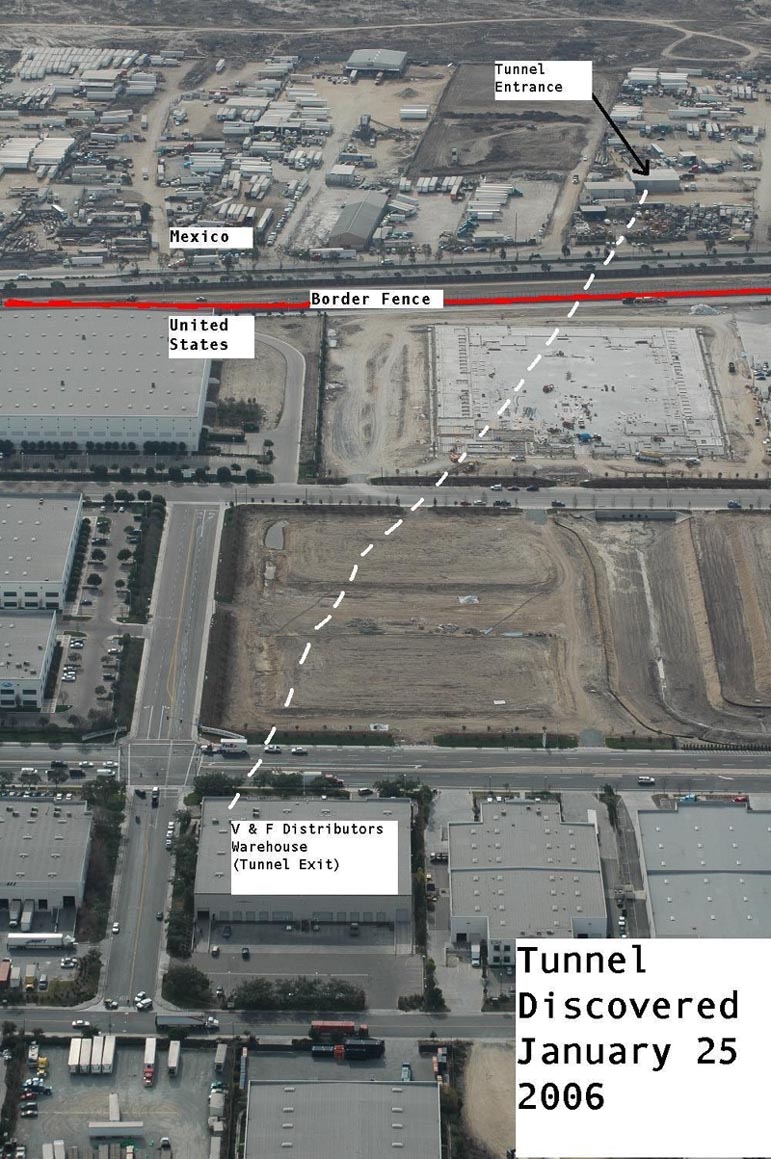
Most cartels are composed of several functional units: production or procurement, transportation and logistics, distribution and street-level sales, and financial operations. Typical activities include smuggling across borders, concealing shipments, bribing or intimidating officials, and laundering proceeds through businesses. Key elements include communication security, supply-chain management and enforcement squads that protect territory or routes.
- Production/procurement: farming or synthesis and initial processing.
- Transport: concealed shipments by land, sea or air across national boundaries via organized routes (supply chains).
- Distribution: wholesale and retail networks that sell illegal drugs on a regional or national scale.
History and geography
Modern large-scale cartels emerged in the 20th century alongside global drug markets and advances in transport. Different regions have distinct histories: parts of South America became major producers of coca and opiates, while groups in Mexico and elsewhere developed sophisticated trafficking and distribution networks to supply consumers in North America and beyond. Cartels also operate across multiple countries (cross-border) and adapt to enforcement pressure by changing routes or products.
Impacts and responses
Cartels affect societies through violence, corruption, public-health harms, and economic distortion. Governments respond with law enforcement, international cooperation, interdiction, demand-reduction programs and asset forfeiture. Policies vary widely and can shift trafficking patterns. Analysts emphasize that supply, demand and social conditions all influence how cartels evolve.
Notable distinctions
Not every criminal group is a cartel in the strict sense; some are local gangs, others are loose networks. Understanding a given organization requires attention to scale, degree of coordination, international links and the combination of criminal activities beyond drugs, such as arms trafficking or extortion. For further reading, see specialized reports and analyses (supply-chain studies, public health, national policy, cross-border law enforcement, Mexico, South America, North America).
Related articles
Author
AlegsaOnline.com Drug cartel: organization, operations, history and impacts Leandro Alegsa
URL: https://en.alegsaonline.com/art/29015