
Chihuahua (state)
Chihuahua is Mexico's largest state by area, bordering the United States. Known for its desert and mountain landscapes, mining and border industry, indigenous Rarámuri culture, and sites like Copper Canyon.
Chihuahua is a federative entity in northern Mexico that occupies the largest land area of any Mexican state. It lies along the international boundary with the United States and contains a mix of desert basins, high plateaus and rugged mountain ranges. The state's capital is Chihuahua City while Ciudad Juárez is its most populous urban center and a major border crossing.
Image gallery
10 Images


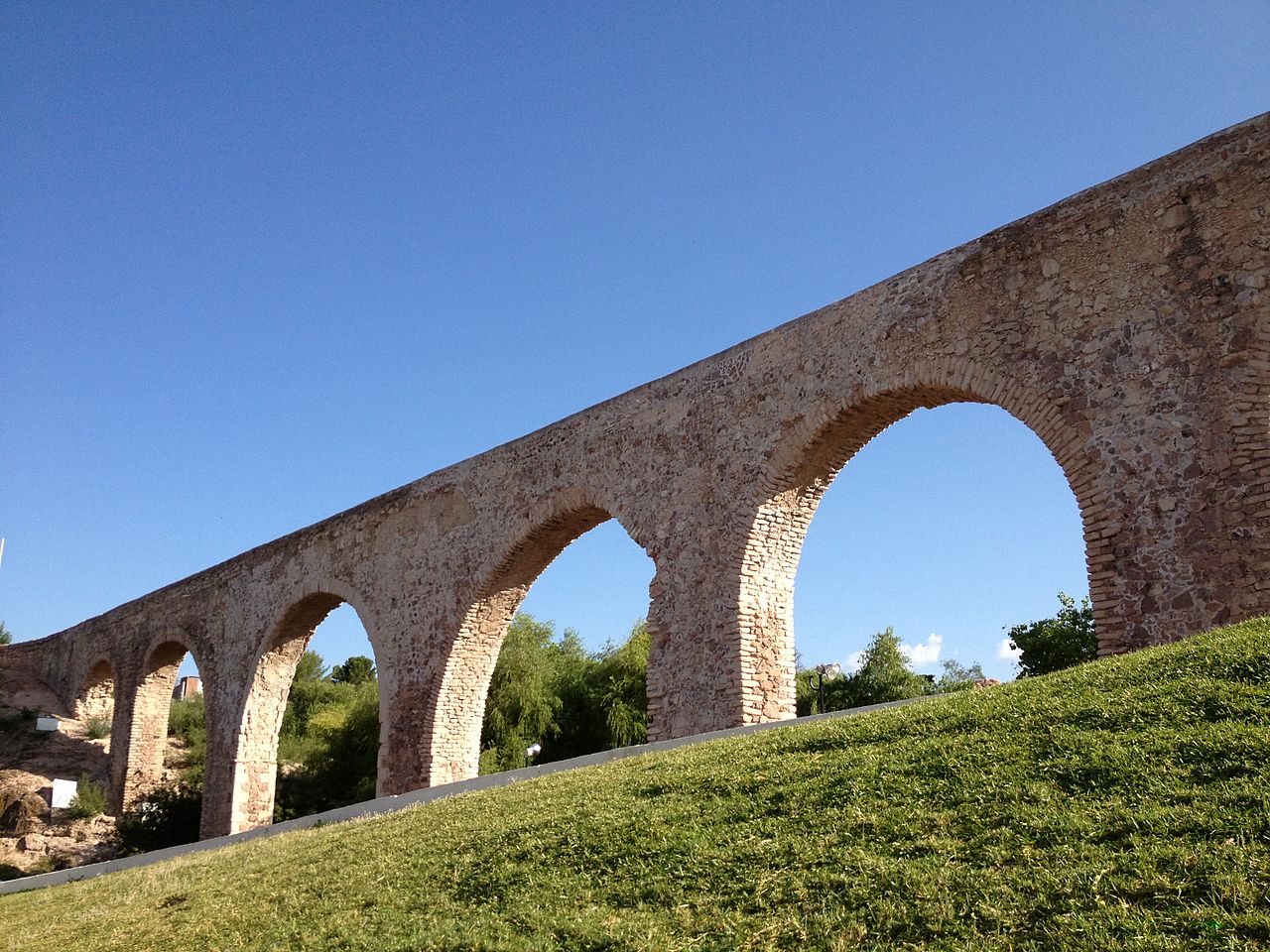
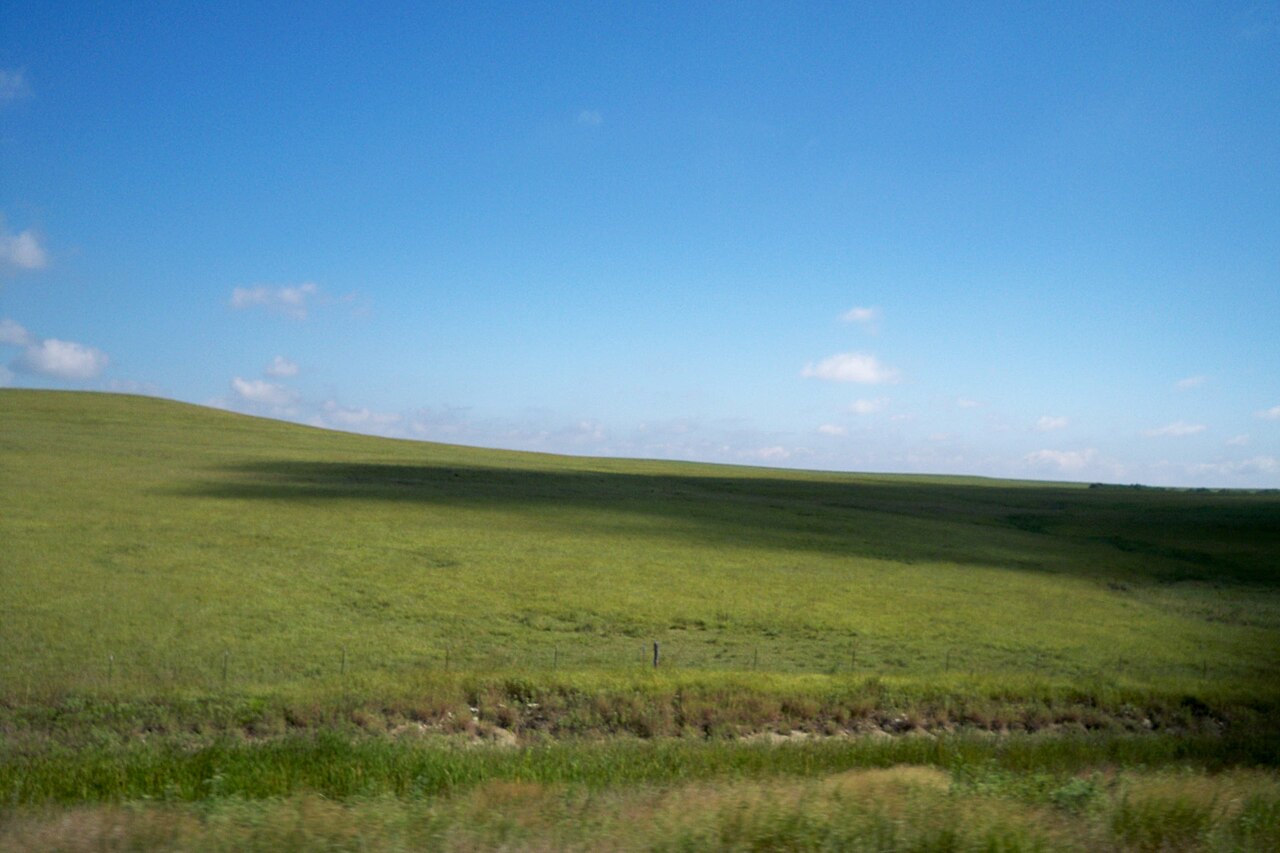


Geography and climate
The state combines broad semi‑arid plains and the high peaks of the Sierra Madre Occidental. Elevation differences create distinct climates: hot arid conditions in the lower desert valleys and cooler, forested highlands at greater altitudes. Rivers and seasonal streams feed agricultural valleys, while remote canyons and mesas support diverse wildlife.
History and development
Human occupation in the region stretches back thousands of years with several indigenous groups adapting to arid and mountainous environments. Spanish colonization introduced mining and ranching, which shaped settlement patterns. During the 19th and early 20th centuries the state played an important role in national events, and its border position influenced trade and migration thereafter.
Economy and infrastructure
Chihuahua's economy blends natural resource extraction, agriculture, manufacturing and cross‑border commerce. Mining of metals has long been significant, while irrigated agriculture produces grains, fruits and cattle. Many manufacturing plants, including maquiladoras, are located near the U.S. frontier and supply regional and international markets. Transport infrastructure centers on highways, rail links and several international border crossings.
People, culture and languages
The population is a mix of mestizo and indigenous communities. The Rarámuri, often called Tarahumara, inhabit remote canyons and are noted for endurance running and traditional crafts. Spanish is dominant, with indigenous languages still spoken in some rural areas. Local culture reflects ranching traditions, regional music styles, and cuisine adapted to arid and highland settings.
Notable features and tourism
Key attractions include dramatic canyon landscapes, especially the Copper Canyon system, colonial towns, and museums in urban centers that interpret mining and frontier history. The state also lends its name to the chihuahua dog breed. Visitors come for outdoor recreation, cultural festivals and to study indigenous heritage.
Further information
For official resources and services see the state government and tourist offices via official portals. Chihuahua's role as a geographic and economic bridge between Mexico and the United States makes it important for trade, migration and regional identity.
Related articles
Author
AlegsaOnline.com Chihuahua (state) Leandro Alegsa
URL: https://en.alegsaonline.com/art/19630