
Culiacán, capital city of Sinaloa, Mexico
Culiacán is the capital and largest city of the Mexican state of Sinaloa, an agricultural and commercial hub located along the Culiacán River with a diverse economy and cultural life.
Culiacán is the capital and largest city of the northwestern Mexican state of Sinaloa. It sits in a river valley formed by the Culiacán River and functions as the principal political, economic and cultural center of the region. The city proper has several hundred thousand residents, while the wider municipality covers thousands of square kilometres and includes urban, agricultural and rural areas.
Image gallery
10 Images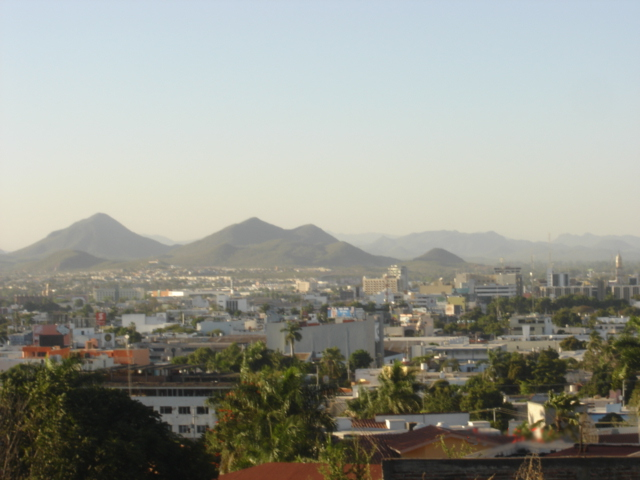


Geography and climate
Culiacán lies inland from the Pacific coast in relatively flat terrain that rises toward the Sierra Madre Occidental. The landscape combines riverine plains and irrigated farmland. The climate is warm to hot, with hot summers and a distinct rainy season in the warmer months; winters are typically mild. Seasonal rains support the intensive agriculture for which the area is known.
History and development
The site was inhabited in pre‑Hispanic times and developed further after Spanish colonization in the 16th century. Over subsequent centuries Culiacán grew from a colonial center into an important regional city. Urban expansion accelerated in the 20th century as irrigation, transport links and commerce concentrated population and services in the city.
Economy, culture and society
The economy is diverse: agriculture and agribusiness (including horticulture and other irrigated crops), food processing, commerce and services dominate. Culiacán is also a cultural hub for northwest Mexico, with traditions in regional music (notably banda), local cuisine based on seafood and produce, museums, theaters and educational institutions such as the regional university.
Transport, administration and notable facts
- Administrative: seat of the state government and local municipal authorities.
- Transport: served by an international airport, regional highways and river irrigation networks that link to coastal ports and national markets.
- Notable: the city combines urban amenities with access to agricultural hinterlands; like many growing cities it faces planning and public‑security challenges related to rapid change.
As the largest city in Sinaloa, Culiacán remains an important node for commerce, education and culture in northwestern Mexico, balancing economic opportunity with the social and governance issues of a contemporary regional capital.
Questions and answers
Q: What is Culiacán?
A: Culiacán is the capital city of Sinaloa.
Q: How many people live in Culiacán?
A: Culiacán has a population of 675,773 people.
Q: What is the size of the municipality of Culiacán?
A: The municipality of Culiacán covers a total area of 4,758 square kilometres (1,837 square miles).
Q: Which state is Culiacán located in?
A: Culiacán is located in the state of Sinaloa.
Q: Is Culiacán the largest city in Sinaloa?
A: Yes, Culiacán is the largest city in the state of Sinaloa.
Q: How do you pronounce Culiacán?
A: Culiacán is pronounced as "kuljaˈkan" in Spanish.
Q: What is the significance of Culiacán?
A: Culiacán is the capital city of Sinaloa, and it is significant due to its large population and size.
Related articles
Author
AlegsaOnline.com Culiacán, capital city of Sinaloa, Mexico Leandro Alegsa
URL: https://en.alegsaonline.com/art/24591