
Sinaloa (Mexican state)
Sinaloa is a Pacific coastal state in northwestern Mexico known for fertile agricultural valleys, shrimp and fishing industries, the port and resort city of Mazatlán, distinctive music and complex social challenges.
Sinaloa is a northwestern region of Mexico and one of the country's 32 federative states. It is bordered by Sonora to the north, Chihuahua to the northeast, Durango to the east, and Nayarit to the south. To the west lie the Pacific Ocean and the Gulf of California, also called the Sea of Cortez.
Image gallery
10 Images




Geography and environment
The state combines a long coastal plain on the Pacific with foothills and the western slopes of the Sierra Madre Occidental. Several perennial rivers cross the region, feeding irrigation networks that have turned many coastal valleys into productive farmland. The climate ranges from warm, humid on the coast to drier and cooler in the highlands; coastal wetlands, estuaries and marine habitats support diverse fisheries.
History and development
Before Spanish colonization the territory was home to indigenous peoples, notably Mayo communities and other native groups. During the colonial and republican eras the area evolved through cattle ranching, mining and later agricultural development. Sinaloa became an established state in the 19th century and grew as railways, ports and irrigation projects expanded its role in national trade.
Economy and uses
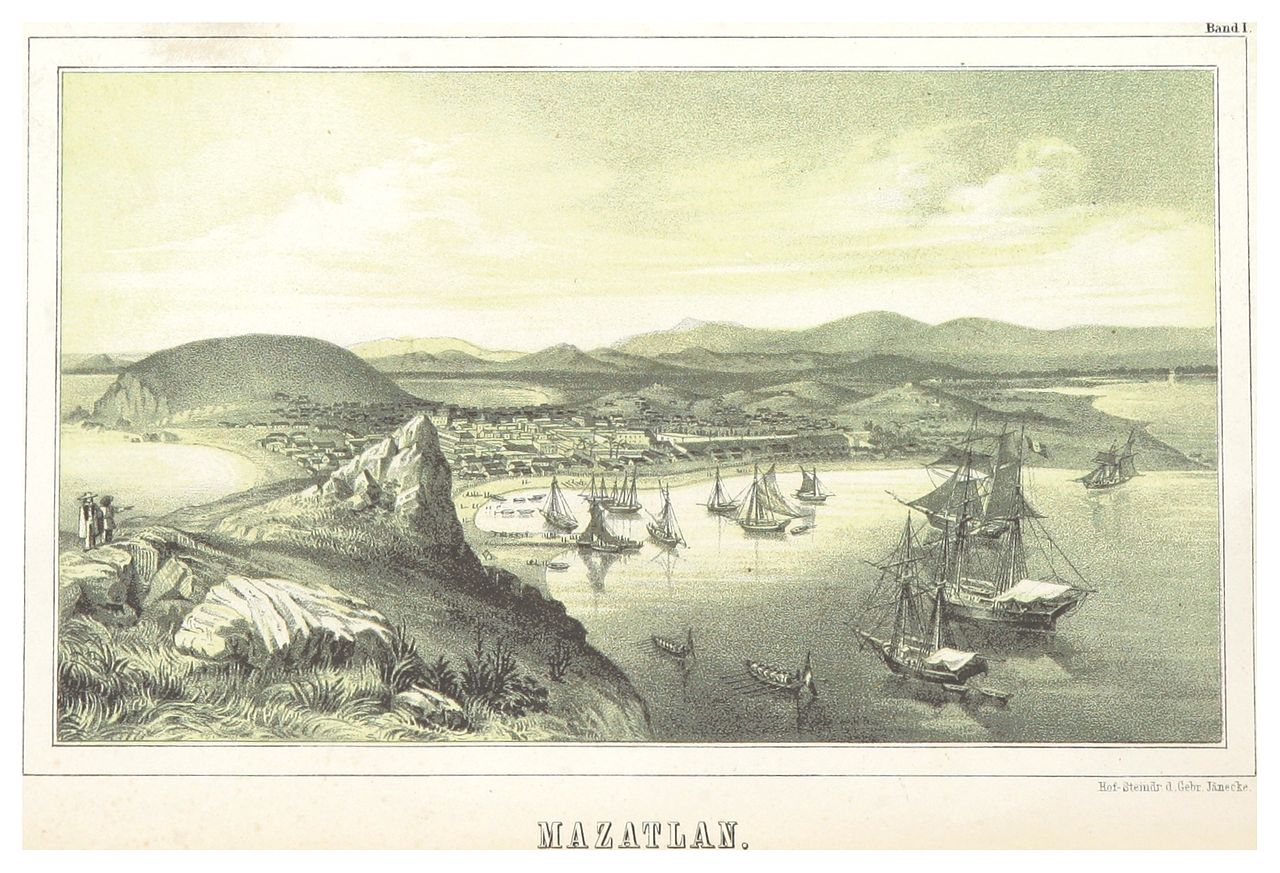
Agriculture is central to Sinaloa's economy: irrigated valleys produce vegetables, fruits and grains for domestic consumption and export. The state is also a national leader in fishing and aquaculture, including shrimp production. Ports and tourist centers—most notably Mazatlán—support shipping, fisheries and a growing visitor industry.
Culture, society and notable facts
Sinaloan culture is known for its musical traditions such as banda and norteño styles, coastal cuisine rich in seafood, and events like the Carnival of Mazatlán. The adjective for residents is Sinaloense. In recent decades the state has also faced significant security challenges linked to organized crime, an issue that has affected governance, public safety and public perception.
Major places and waterways
- Major cities: Culiacán (capital), Mazatlán, Los Mochis, Guasave.
- Principal rivers and valleys: several river systems feeding coastal irrigation zones and estuaries important to fisheries and agriculture.
Related articles
Author
AlegsaOnline.com Sinaloa (Mexican state) Leandro Alegsa
URL: https://en.alegsaonline.com/art/90593