
Sinn Féin — Irish republican political party
Sinn Féin is an Irish republican, left‑leaning political party active across the island of Ireland. It advocates Irish reunification, takes part in devolved and national elections, and has a complex modern history.
Overview
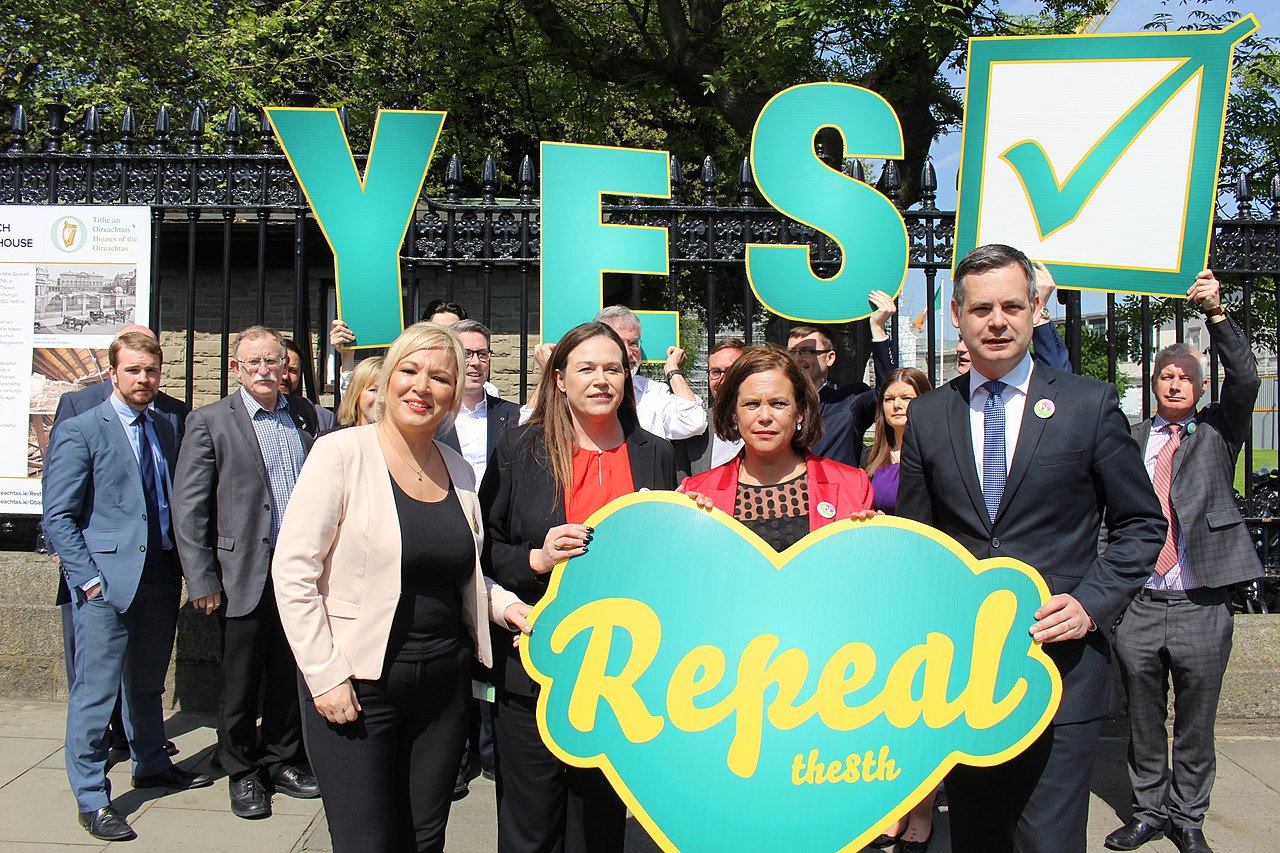
Sinn Féin is a political party operating across the island of Ireland. It describes itself as republican and left of centre, with a primary objective of achieving a united Ireland through political and democratic means. The party competes in elections to the legislatures of both Northern Ireland and the Republic of Ireland and pursues policies on housing, health, social equality and Irish sovereignty.
Image gallery
10 Images



Origins and historical development
The name Sinn Féin, Irish for "ourselves" or "we ourselves", dates to an organisation founded in 1905 by Arthur Griffith. That early movement played a role in the struggle for Irish independence in the early 20th century and later divided along ideological and strategic lines. A major split in 1970 produced two organisations with different emphases; the branch that evolved into the contemporary Sinn Féin is commonly associated with the republican movement in the later 20th century and adapted into an electoral political force in subsequent decades.
Organisation and leadership
The party is structured with a national executive, local branches and youth and social wings. Sinn Féin’s parliamentary and public leadership is distinct from its internal committees; since February 2018 the party has been led by Mary Lou McDonald, who succeeded long‑time figures from earlier generations. Sinn Féin contests elections at local, regional and national levels and maintains active political organisations in both jurisdictions on the island.
Ideology, policies and priorities
Sinn Féin blends Irish republicanism with policies commonly described as left‑leaning. Key emphases include the pursuit of Irish reunification, expanded public services, stronger social protections, and measures to address housing and healthcare shortages. The party also articulates positions on neutrality and sovereignty and engages with European and international institutions while advocating reforms.
- Core aims: Irish reunification and republican government.
- Economic stance: Socially progressive policies and public investment.
- Public policy: Focus on housing, health, education and social welfare.
Electoral position and representation
Sinn Féin has become one of the largest political forces in both jurisdictions. It is the second‑largest party in the Northern Ireland Assembly (Northern Ireland Assembly) and one of the principal parties in the Republic’s national parliament (Dáil Éireann). The party has also stood in elections to the British House of Commons (British House of Commons), where it maintains an abstentionist policy: elected members do not take their seats in London as a matter of principle.
Controversies, peace process and notable facts
Sinn Féin’s modern history is intertwined with the wider history of the Northern Ireland conflict. The party has been linked historically to the Provisional Irish Republican Army; it has also played a prominent role in negotiations and political developments leading to ceasefires and the peace process. Over recent decades Sinn Féin has focused on electoral growth, mainstreaming its platform and participating in power‑sharing institutions while continuing to prioritise Irish unity.
Related articles
Author
AlegsaOnline.com Sinn Féin — Irish republican political party Leandro Alegsa
URL: https://en.alegsaonline.com/art/90671