
Heroin (diacetylmorphine): overview, effects, history, and risks
Comprehensive overview of heroin (diacetylmorphine): chemistry, methods of use, physiological effects, dependence and harms, medical use, legal status, and public-health responses.
Overview
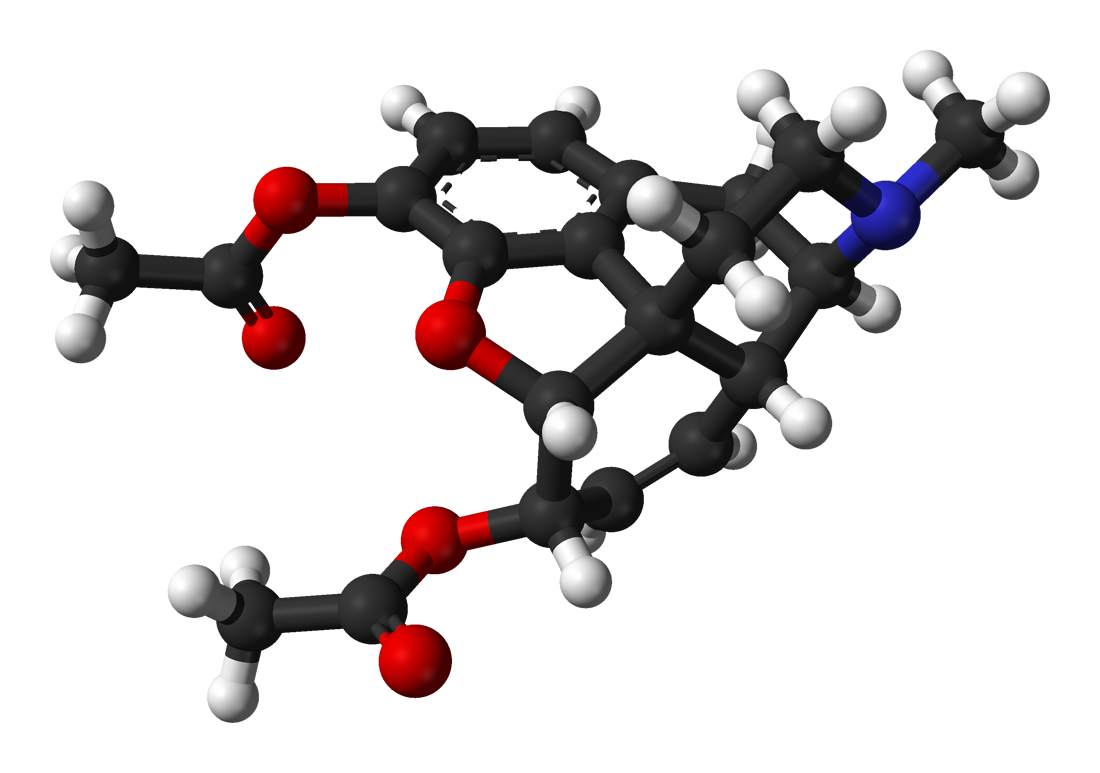
Heroin is the common name for diacetylmorphine (also called diamorphine), a semi-synthetic opioid derived from morphine. Morphine itself is an opiate extracted from the opium poppy. Heroin produces strong analgesic and sedative effects by acting on opioid receptors in the central nervous system. Because of its potency and rapid onset, it is associated with a high risk of misuse and dependence.
Image gallery
10 Images





Chemistry and forms
Heroin is produced by chemically modifying morphine—typically by acetylation—resulting in a compound that crosses the blood–brain barrier more quickly. The finished product appears in a range of physical forms depending on origin and processing: fine white powder, brownish powder, or a sticky dark form often called "black tar." These variations affect how users prepare and consume the drug and influence contamination and adulteration risks. The original natural source is sap from the poppy plant, although most illicit manufacture involves additional chemical processing.
How it is used and immediate effects
People use heroin by injection, smoking, or insufflation (snorting). Injecting delivers the drug to the bloodstream fastest and is linked with the most intense onset. Typical acute effects include pain relief, drowsiness, slowed breathing, and a strong sense of well-being or euphoria. Users may also experience nausea, confusion, and constricted pupils. The combination of respiratory depression and sedation is the main mechanism behind potentially fatal overdoses.
Dependence, withdrawal, and health harms
Repeated use leads to tolerance (needing higher doses for the same effect) and physical dependence. Withdrawal symptoms—restlessness, muscle aches, insomnia, diarrhea, and vomiting—can appear when use stops. Serious health harms include overdose, increased vulnerability to infectious diseases through shared needles (HIV, hepatitis), vein damage, and long-term cognitive or emotional problems. Social harms include impacts on relationships, employment, and criminal justice involvement.
Medical uses and legal status
While heroin is illegal in many countries for recreational use, related compounds and derivatives can have legitimate medical roles. Historically, the drug was marketed as a cough suppressant and pain reliever; today some health systems use pharmaceutical diamorphine in tightly controlled settings for severe pain or as part of supervised treatment programs. Safer-alternative medications and formulations, plus approved analgesic drugs, are commonly preferred. Heroin remains a controlled substance in most jurisdictions, though some places have adopted decriminalization or harm-reduction policies rather than purely punitive approaches. Illicit opiates are closely related to traditional products such as opium, but differ in production, potency, and legal status.
History and public-health responses
Introduced in the late 19th and early 20th centuries, diacetylmorphine was once promoted for medical use before recognition of its addictive potential led to stricter controls. Modern public-health responses emphasize harm reduction: needle and syringe programs, opioid substitution therapies (e.g., methadone, buprenorphine), availability of naloxone to reverse overdoses, and supervised consumption sites. These interventions aim to reduce death, disease transmission, and other social harms while connecting people to treatment and social supports.
Key distinctions and notable facts
- Heroin is a semi-synthetic opioid derived from morphine rather than a fully synthetic opioid.
- Its various forms (white powder, brown powder, "black tar") differ in purity, additives, and typical routes of administration.
- Responses to heroin use combine medical treatment, harm reduction, and criminal-law measures, and vary widely between countries.
For concise, reliable summaries and public-health guidance, consult government and medical sources or specialist organizations. Further reading and policy documents can be accessed through relevant health, legal, and addiction treatment resources.
More on heroin • Opioid classification • Morphine and derivatives • Poppy cultivation • Botanical background • Analgesic drugs • Opium history • Euphoria and subjective effects
Questions and answers
Q: What is heroin?
A: Heroin is a drug that is also known as Diacetylmorphine or Diamorphine. It is an opioid, which means it acts like morphine in the body and it is a semi-synthetic opioid, meaning it is made from an opiate that occurs in nature (morphine). It usually appears as a white or brown powder made from the sap of the poppy plant and it has painkilling effects.
Q: How does heroin make people feel?
A: People smoke or inject heroin to get a calm feeling of relaxation, which is often referred to as "being high". The extreme happiness associated with this feeling is known as euphoria.
Q: Is heroin addictive?
A: Yes, heroin can be very addictive. Once someone starts taking heroin they may want to take more and more even when they know it could be making them sick and harming them.
Q: Is heroin legal?
A: In many countries, heroin is illegal unless it's used for medical purposes. However, there are some countries where drugs such as cocaine, marijuana, and heroin have been decriminalized. To date these include somewhere between 25 and 30 countries.
Q: What other drugs come from poppy plant sap?
A: Other drugs that come from poppy plant sap include opium and morphine.
Q: What type of drug is Heroin?
A: Heroin is an opioid - a type of drug which acts like morphine in the body - and it's a semi-synthetic opioid because it's made from an opiate that occurs in nature (morphine).
Q: Was Heroin originally a trade name?
A Yes, Heroin was originally a trade name before becoming widely known as the drug we know today.
Related articles
Author
AlegsaOnline.com Heroin (diacetylmorphine): overview, effects, history, and risks Leandro Alegsa
URL: https://en.alegsaonline.com/art/43867