
Durango: geography, history, economy and culture of the Mexican state
Durango is a northwestern Mexican state with a mountainous interior, a capital at Victoria de Durango, and an economy shaped by mining, agriculture, forestry and cultural traditions.
Durango is a state in northwestern Mexico with a varied landscape and a capital at Victoria de Durango. Home to roughly 1.5 million people, it combines mountain ranges, plateaus and semi-arid lowlands. For official information see state resources or general country references at Mexico.
Image gallery
10 Images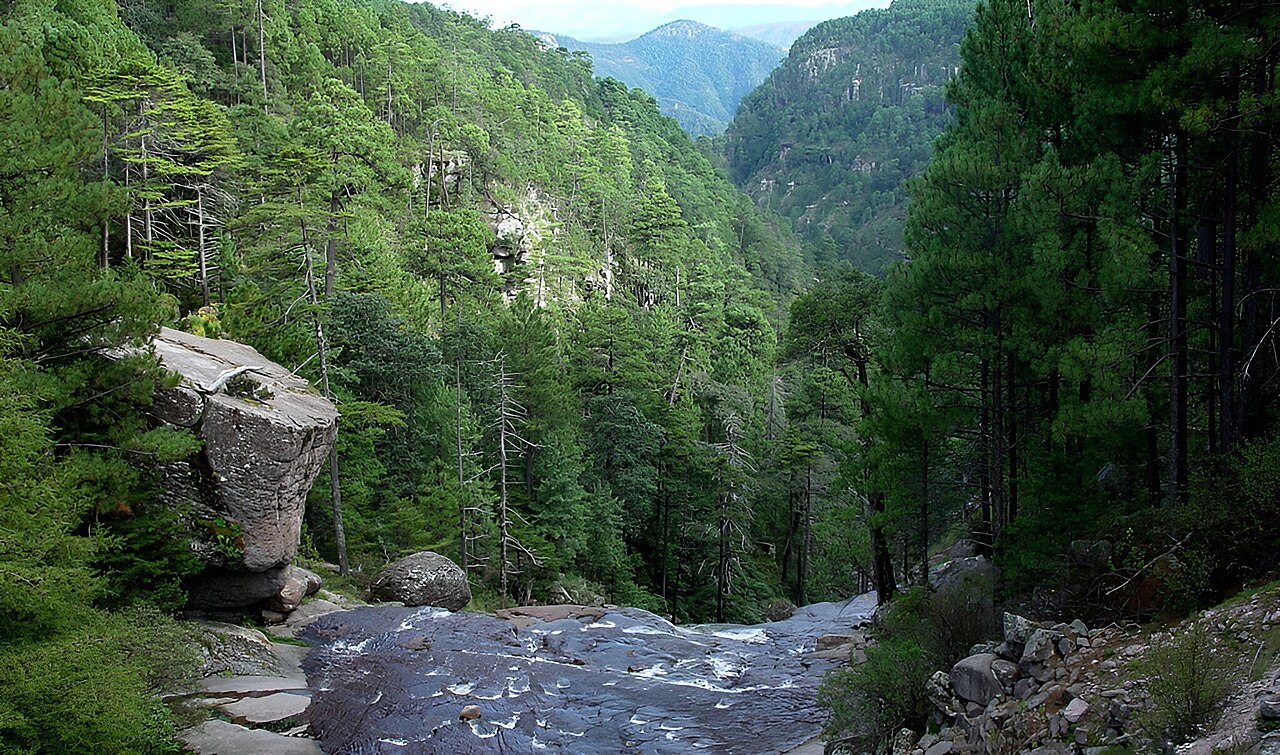




Geography and environment
Durango lies largely within the Sierra Madre Occidental and contains steep canyons, high plateaus and valleys. Elevation changes bring many climates: temperate forests and pine stands at higher altitudes, and drier scrub and grassland in lower basins. Rivers cut deep gorges that influence local agriculture and biodiversity. The mix of mountains and plains shapes settlement patterns, transport routes and natural resource uses.
History and people
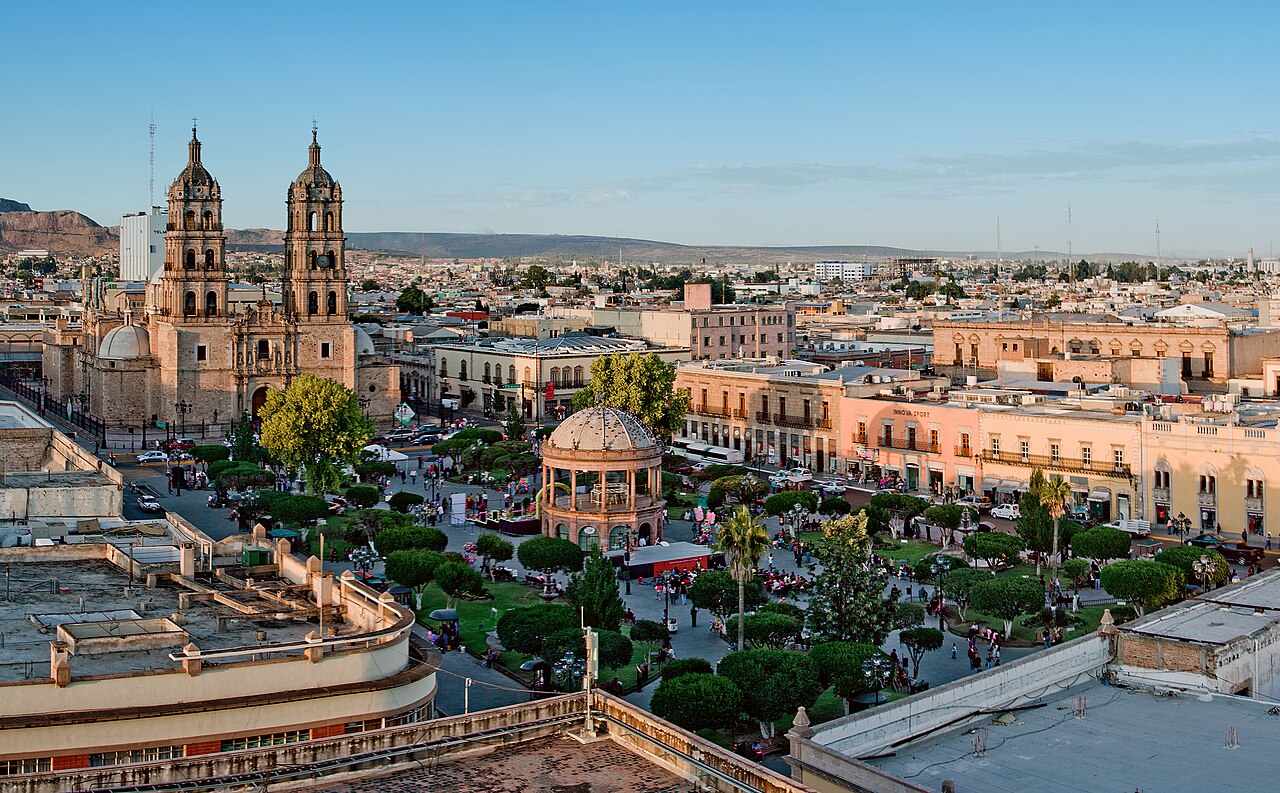
The region was inhabited by indigenous groups long before Spanish contact. The city of Durango, formally called Victoria de Durango, was established during the colonial era and became an administrative center for mining and ranching. Over ensuing centuries the state developed through waves of mining, agricultural expansion and internal migration, blending indigenous, Spanish and mestizo cultural elements.
Economy and land use
Durango's economy has traditionally relied on natural resources and primary production. Key sectors include:
- Mining: extraction of metals has a long history and remains important to some local economies.
- Agriculture and ranching: cereals, fruit, vegetables and cattle are significant in suitable valleys and plains.
- Forestry: commercial timber and related industries operate in forested highlands.
- Manufacturing and services: light industry, food processing and regional services support urban centers.
Culture, tourism and notable facts
Durango has a rich cultural heritage reflected in traditional festivals, regional cuisine and colonial architecture in its capital. The state's rugged scenery and wide open spaces made it a popular location for film productions, particularly westerns, which boosted local recognition. Visitors are drawn to historic towns, scenic canyons and outdoor activities such as hiking and birdwatching.
While much of its identity is tied to resource use and rural life, Durango also faces contemporary challenges common to many regions: balancing development with conservation, improving infrastructure, and diversifying economic opportunities for growing urban populations. For further reading and official updates consult state information or national sources at Mexico.
Related articles
Author
AlegsaOnline.com Durango: geography, history, economy and culture of the Mexican state Leandro Alegsa
URL: https://en.alegsaonline.com/art/29291
Sources
- books.google.com : "La diputación provincial y el federalismo mexicano"