
Sonora (Mexican state)
Sonora is a large northwestern Mexican state on the Gulf of California, known for deserts, coastal ecosystems, cross-border ties with Arizona, indigenous cultures, agriculture, mining and tourism.
Overview — Sonora is a federative state in northwestern Mexico with a long Pacific Gulf coastline on the Gulf of California. The state combines arid desert, mountain ranges and coastal plain, and is administered by a state government; see the official state site for government information. Sonora is commonly grouped with northwestern Mexico and is featured in discussions of border regions and marine conservation.
Image gallery
10 Images




Geography and environment
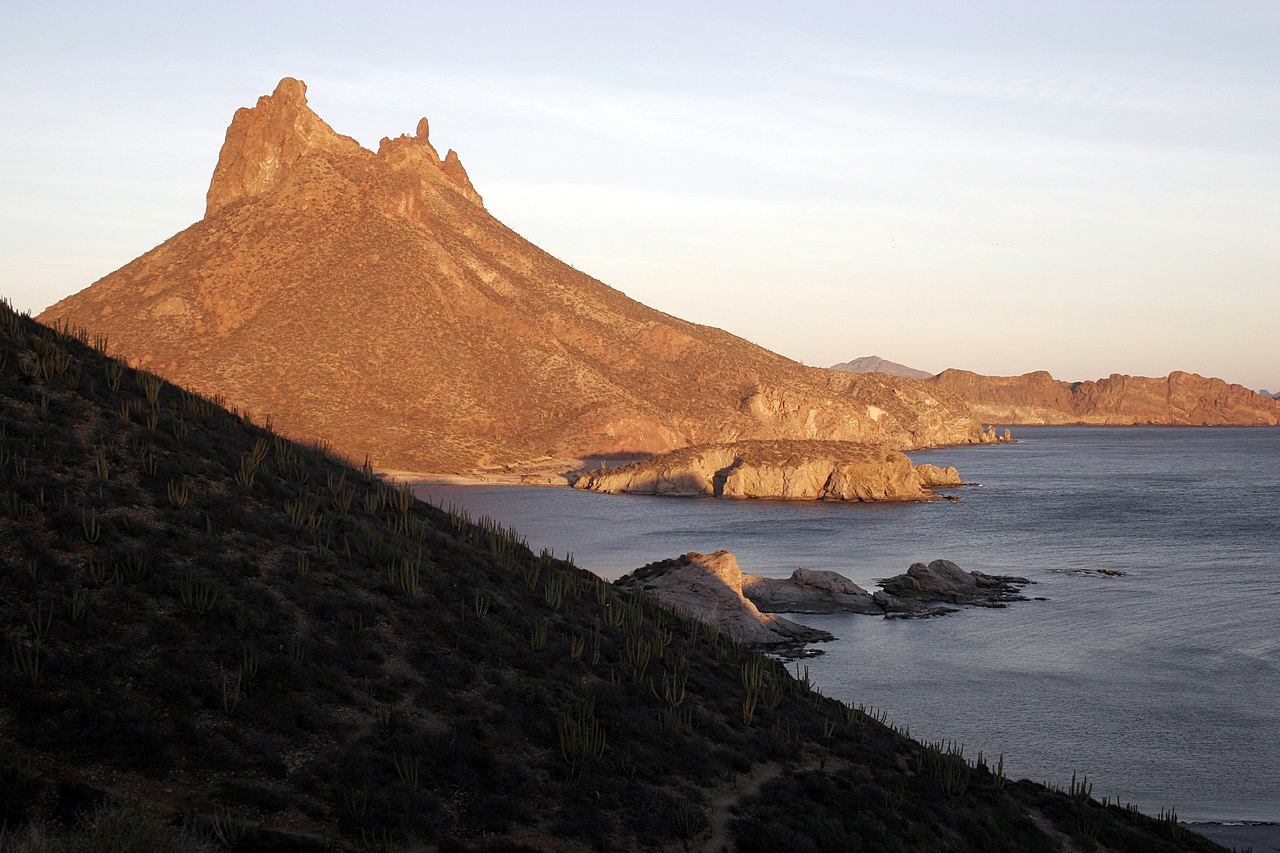
Sonora borders several Mexican states and the United States. To the east it meets Chihuahua, to the south Sinaloa, and to the northwest Baja California. To the north it shares a long section of the U.S.–Mexico border adjoining U.S. states, including Arizona and areas contiguous with New Mexico. The state's western shore fronts the Gulf of California, which supports commercially important fisheries and diverse marine life. For general administrative and demographic context see state information resources.
Landscape and climate
The Sonoran Desert covers a large portion of the state and is notable for its unique succulent plants, including iconic columnar cacti, and for large seasonal temperature swings. The Sierra Madre Occidental in the east brings higher elevations, more temperate conditions and different vegetation communities. Coastal plains, estuaries and mangrove stands occur along the Gulf, creating productive fisheries and important bird habitat. Irrigated river valleys and deltas have long supported agriculture and ranching where water resources allow.
History, peoples and culture
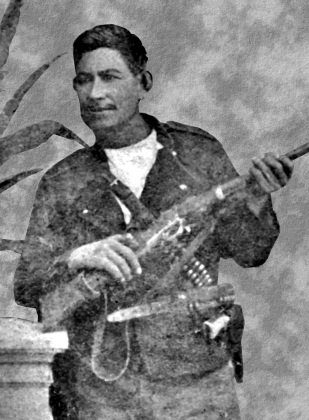
Indigenous groups such as the Seri, Yaqui, Mayo and others have long histories in the region and continue to maintain languages, cultural practices and community institutions. Colonial-era missions, ranching and later Mexican political developments shaped settlement patterns. Contemporary Sonora blends urban centers, agricultural areas, coastal towns and border cities, and its culture reflects coastal cuisine, ranching traditions and cross-border exchanges.
Economy and infrastructure
Economic activity includes irrigated agriculture, cattle ranching, commercial fishing, mining and manufacturing, especially near border crossings where maquiladora plants and logistics operations serve trade with the United States. Tourism is important in coastal resort areas and for ecotourism at natural reserves. Transport links include highways and border ports of entry that connect Sonora with its U.S. neighbors and with Mexico's interior.
Cities, conservation and natural areas
Major cities include Hermosillo (capital), Ciudad Obregón, Nogales, San Luis Río Colorado, Guaymas and coastal resorts such as Puerto Peñasco. Protected areas such as the El Pinacate and Gran Desierto de Altar reserve safeguard volcanic landscapes, dunes and wildlife, while coastal and marine zones are monitored for fisheries management and biodiversity conservation. Sustaining water resources, balancing development with habitat protection, and cooperation across the international border are ongoing priorities.
Questions and answers
Q: What region is Sonora located in?
A: Sonora is located in the northwestern Mexico region.
Q: What states border Sonora to the east?
A: The state of Chihuahua borders Sonora to the east.
Q: What states border Sonora to the south?
A: The state of Sinaloa borders Sonora to the south.
Q: What states border Sonora to the northwest?
A: The state of Baja California borders Sonora to the northwest.
Q: What countries border Sonora along its northern stretch?
A: Along its northern stretch, Sonora accounts for a long stretch of the U.S.-Mexico border adjacent to the U.S. states of Arizona and New Mexico.
Q: To which body of water does it border on its western side?
A: On its western side, it borders the Gulf of California (Sea of Cortez).
Related articles
Author
AlegsaOnline.com Sonora (Mexican state) Leandro Alegsa
URL: https://en.alegsaonline.com/art/91904