
Bay laurel (Laurus nobilis) — aromatic evergreen and culinary herb
Bay laurel (Laurus nobilis) is a Mediterranean evergreen tree or shrub whose glossy leaves are used for flavoring, ornament, and historical symbolism. Distinct from other 'laurels', it has culinary and traditional uses.
Overview
Laurus nobilis, commonly called bay laurel, sweet bay or true laurel, is an aromatic evergreen of the Lauraceae family. It naturally grows as a small tree or large shrub and is native to the Mediterranean region. The plant is prized for its glossy, lance-shaped leaves and fragrant essential oils that give the leaves their characteristic aroma.
Image gallery
8 Images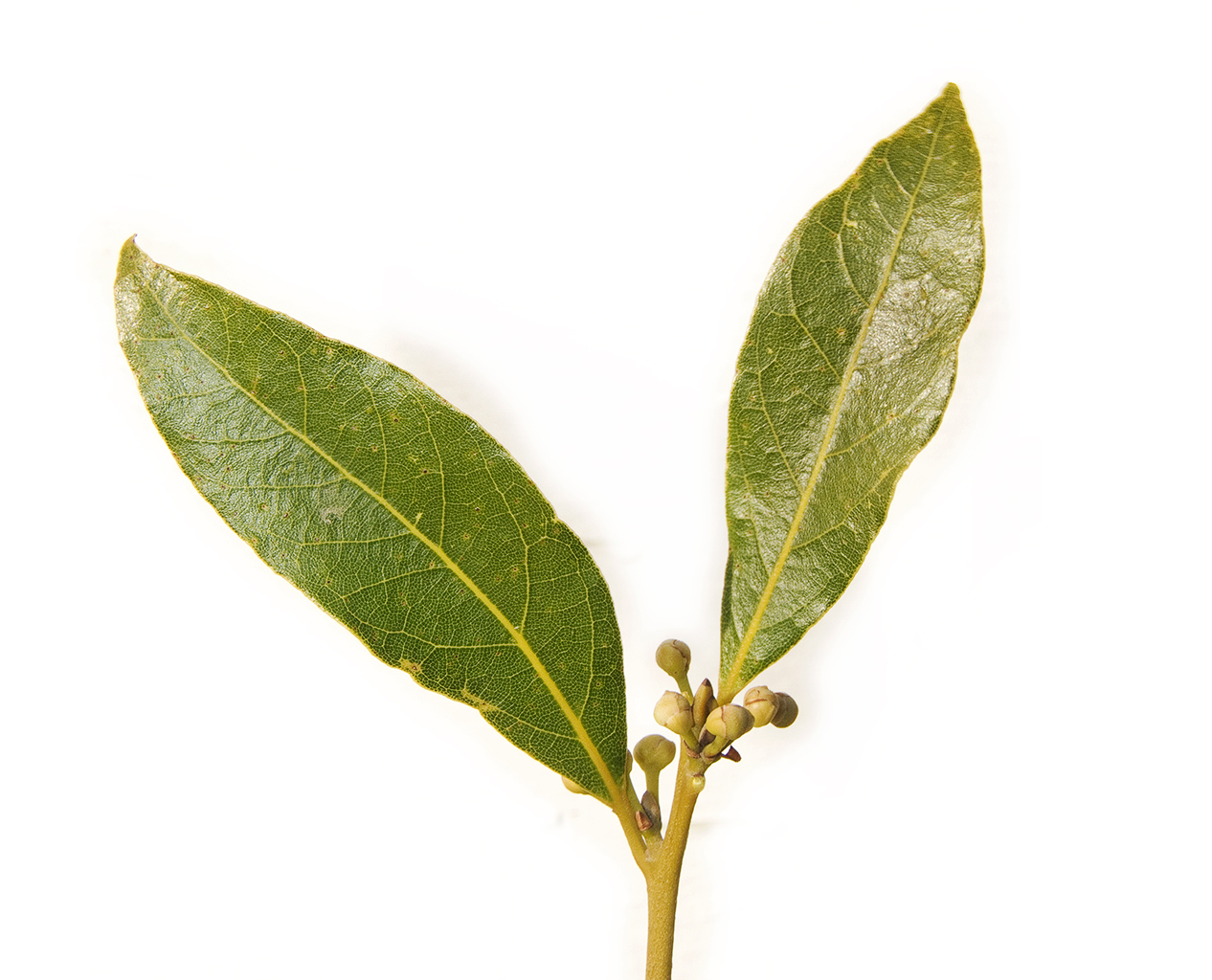




Description and distinguishing features
Bay laurel has leathery, dark green evergreen leaves that are aromatic when crushed. It bears small, pale-yellow flowers in clusters, followed by single-seeded berry-like fruits that darken as they ripen. The overall habit is dense and can be trained into hedges, standards or topiary. Botanically it is distinct from other shrubs or trees commonly called "laurel" (for example cherry laurel or mountain laurel), which belong to different families and may have different properties or toxicity.
Culinary and practical uses
The dried or fresh leaves of bay laurel are widely used to flavor soups, stews, sauces and marinades across European and Middle Eastern cuisines. Bay leaves contribute a subtle herbal, slightly floral and camphor-like note that many cooks describe as rounding other flavors rather than dominating them. Leaves are typically added whole during cooking and removed before serving because they remain stiff and can be a physical hazard if left in a dish. For practical cooking guidance see general culinary uses.
Traditional, medicinal and aromatic uses
Beyond the kitchen, bay leaves and berries have been used in traditional remedies and aromatherapy; distilled essential oils have applications in perfumery and as fragrances. The essential oil composition includes well-known constituents such as 1,8-cineole among others, which contribute to its scent and therapeutic uses. Concentrated oils can be irritating to skin and should not be ingested undiluted; culinary use of leaves in normal amounts is generally considered safe.
Culture, history and symbolism
The bay laurel has a long cultural history. In ancient Greece and Rome, branches were made into laurel wreaths to honor victors, poets and commanders, a symbol of victory and achievement that survives in idioms such as "resting on one's laurels." The tree has featured in art, literature and ceremonial use across the Mediterranean and into Europe.
Cultivation and care
- Site: prefers full sun to partial shade and a fertile, well-drained soil.
- Climate: suited to mild, temperate or Mediterranean climates; tolerates brief light frost but can be damaged by prolonged freezing.
- Watering: moderately drought-tolerant once established; avoid waterlogging to prevent root rot.
- Propagation: commonly propagated by semi-ripe cuttings or seed; young plants respond well to pruning.
- Pests and diseases: relatively hardy but can suffer from scale insects, mites or fungal leaf spots in poorly drained conditions.
Harvesting, storage and safety
Leaves are best harvested from healthy plants and may be used fresh or dried for later use. Dried bay leaves retain much of their aroma and keep for many months when stored in a cool, dark place. While used widely in cooking, whole leaves should be removed before serving to avoid choking or sharp edges. As with any concentrated botanical extract, essential oils deserve caution and should be used only in appropriate, diluted forms.
For botanical context and further horticultural information consult resources on the Lauraceae family, general cultivation notes for trees and shrubs, leaf morphology references at leaf guides, regional flora treatments of the Mediterranean region, and practical herb and recipe sources for culinary uses.
Related articles
Author
AlegsaOnline.com Bay laurel (Laurus nobilis) — aromatic evergreen and culinary herb Leandro Alegsa
URL: https://en.alegsaonline.com/art/9663