
Sega Genesis (Mega Drive): 16‑bit home console and its legacy
The Sega Genesis (Mega Drive) is Sega's 16-bit home console released in 1988–89. Known for Sonic, arcade ports and bold marketing, it shaped 1990s gaming and helped prompt industry content ratings.
Overview
The Sega Mega Drive, marketed in North America as the Sega Genesis, is a 16‑bit video game console developed and sold by Sega. Launched in Japan in 1988 and in North America in 1989, it became one of the defining home systems of the early 1990s. The system combined faster processor performance and a strong library of arcade-style titles to compete with contemporary machines and capture an audience seeking more mature and action-oriented games.
Image gallery
10 Images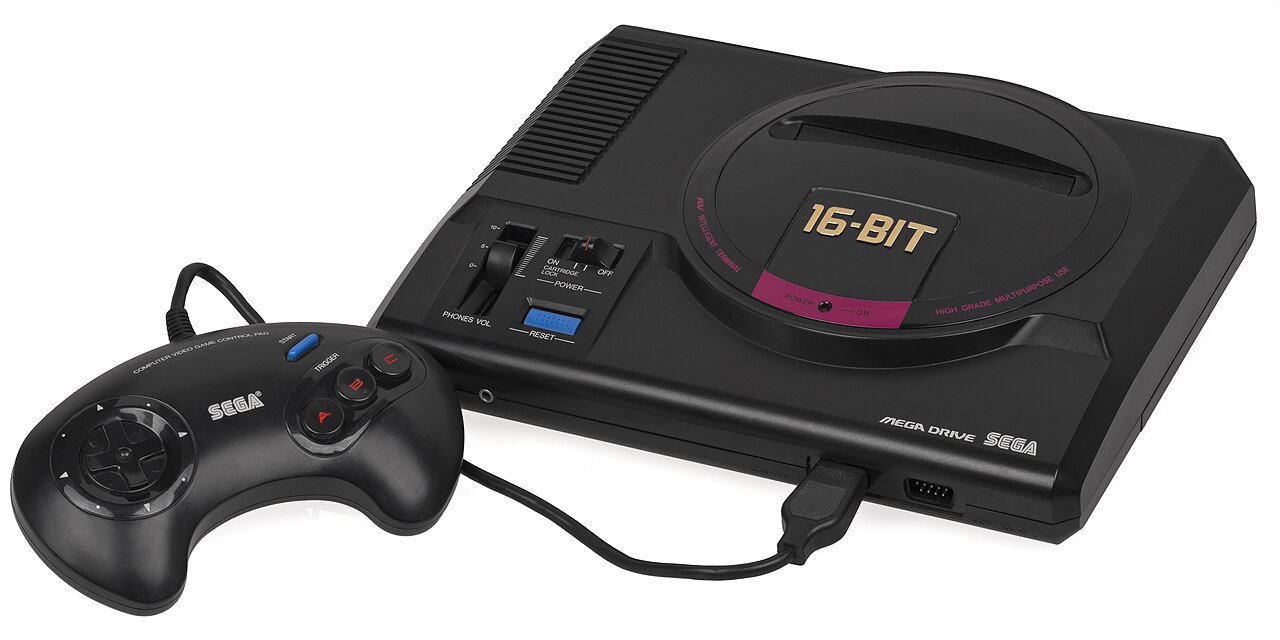


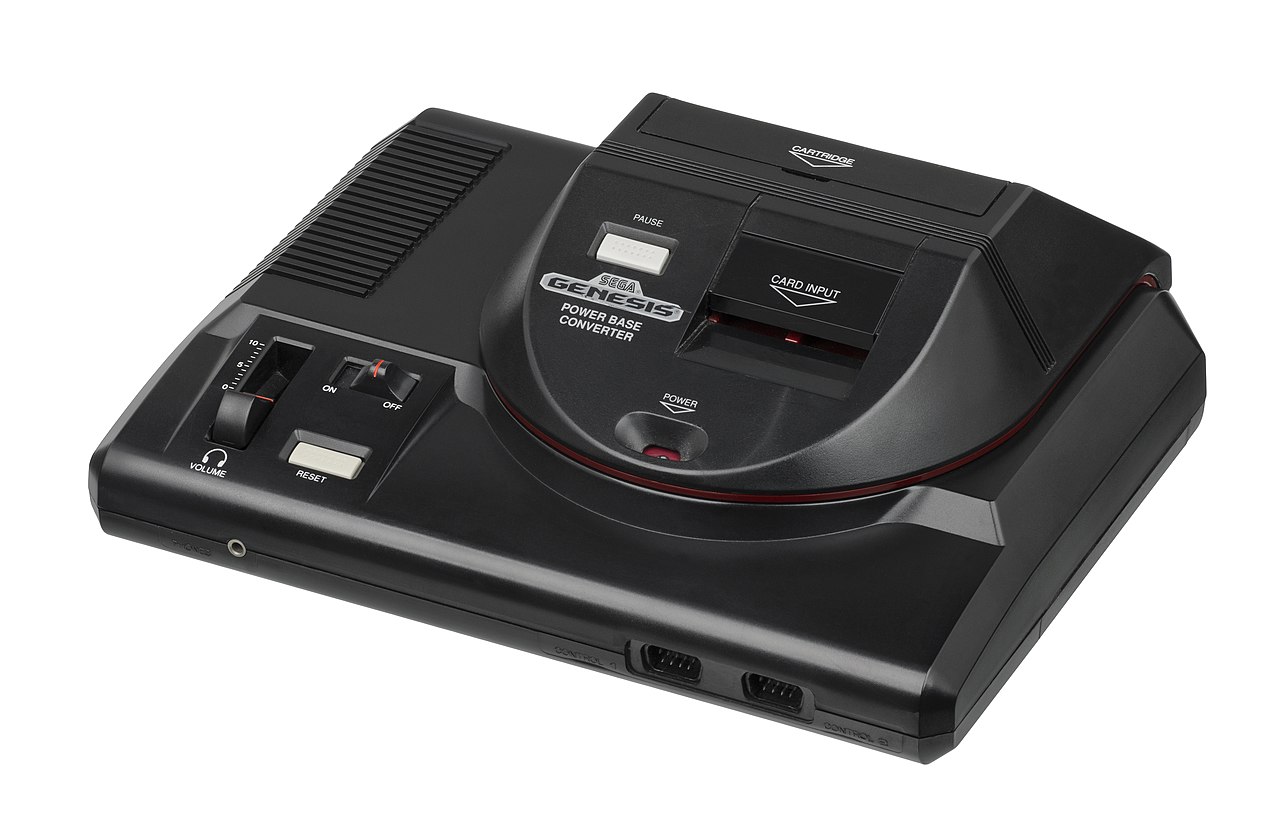
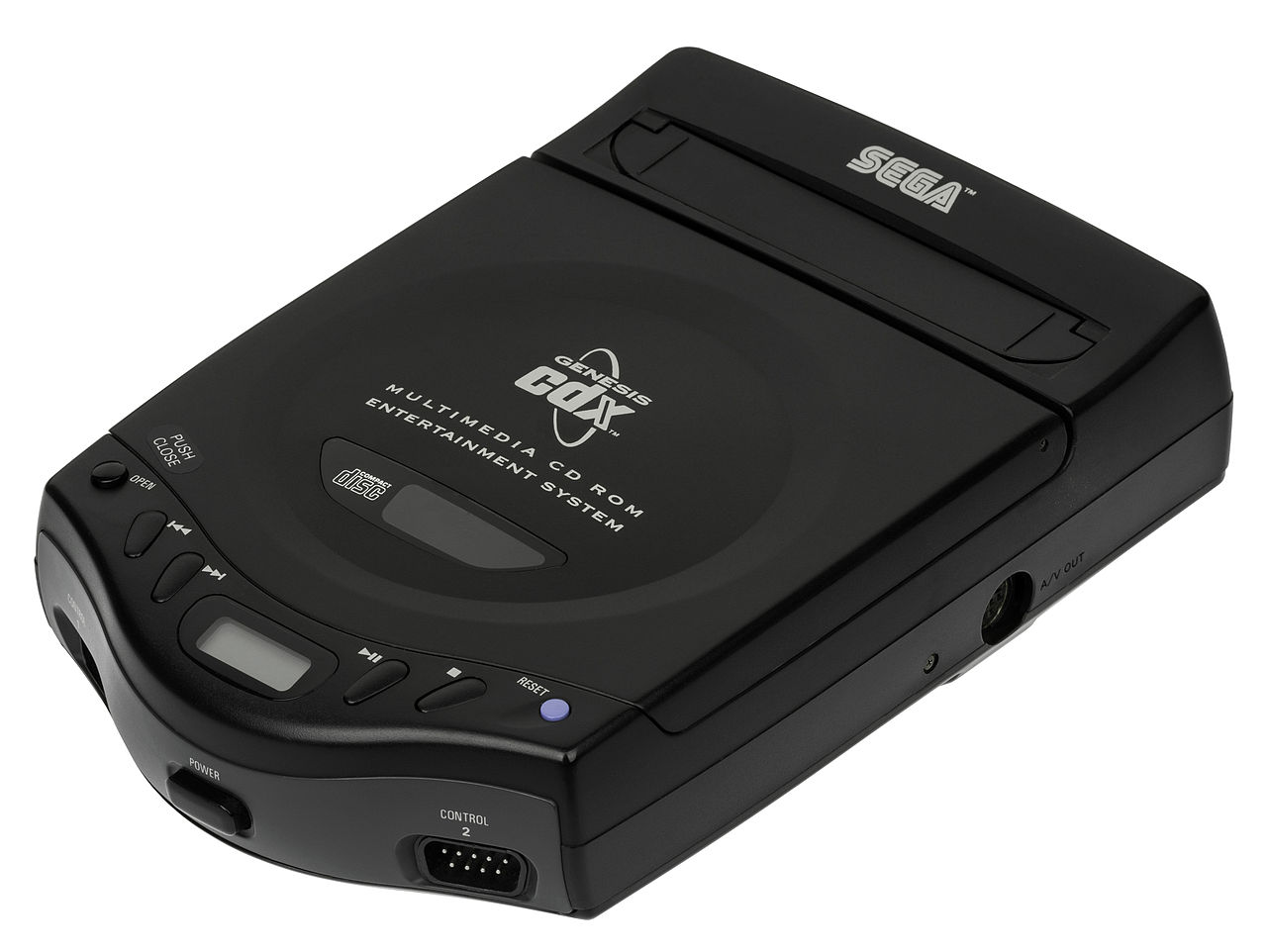


Technical characteristics
The console is built around a 16‑bit architecture that offered improved speed and graphical capabilities compared with many 8‑bit predecessors. Key hardware traits included a main CPU designed for rapid sprite handling and a dedicated sound subsystem that produced richer music and effects than many earlier home machines. Several official revisions and add‑ons extended its capabilities, but the base model remained compact and affordable.
- Processor and audio: 16‑bit main CPU with a co‑processor for backward compatibility and enhanced audio chips for multi‑channel sound.
- Design: Cartridge‑based media enabling quick load times and easy distribution of arcade conversions.
- Models and add‑ons: Regional hardware variations plus optional peripherals that added CD support and 32‑bit processing in later years.
History and market performance
Sega introduced the Mega Drive in Japan (Mega Drive branding) before bringing it to international markets as the Genesis. In Japan it faced stiff competition from Nintendo and NEC—the Super Famicom (Super Famicom) and the PC Engine (NEC)—and did not dominate that market. Elsewhere, particularly in North America, Brazil and parts of Europe, the system sold strongly. Contributing factors included a steady stream of arcade conversions, aggressive youth‑oriented marketing, and flagship franchises that appealed to teenagers and young adults.
Games, peripherals and notable titles
The Genesis library spanned many genres: platformers, sports simulations, fighting games, role‑playing experiences and licensed movie or TV tie‑ins. Sega emphasized fast, arcade‑style gameplay and aggressive marketing to distinguish the system.
- Flagship series: Sonic the Hedgehog became Sega's hallmark platform franchise and a cultural icon.
- Arcade ports: Many popular arcade game conversions arrived on the system, helping attract players who wanted the arcade experience at home.
- Sports and genres: A variety of sports franchises and competitive titles broadened the console's appeal.
- Peripherals: Expansion hardware included compact disc add‑ons, enhanced controllers and other accessories intended to extend the platform's life span.
Controversy, ratings and legacy
The Genesis era coincided with debates over violent or adult‑oriented content in games. High‑profile controversies surrounding titles such as Night Trap and the home release of Mortal Kombat prompted Sega to create an industry rating effort, the Videogame Rating Council, which served as a precursor to the standardized ESRB. The console ultimately sold roughly 30.75 million units worldwide and continued to influence the market after its primary life cycle through licensed reissues and compilations.
Many Genesis games were later repackaged in compilations and digital re‑releases; collections have appeared on modern platforms and services including emulation and storefronts such as PlayStation Network as well as other digital outlets. Physical and digital rereleases helped preserve the library, and third‑party producers later offered hardware recreations and plug‑and‑play products.
Successor and lasting importance
The Genesis was succeeded by the Sega Saturn in the mid‑1990s but left a lasting cultural and commercial impact. It demonstrated the value of distinct branding, marquee franchises, and an adult‑leaning marketing strategy in the home console market. Collections, emulation projects and fan communities continue to explore and celebrate its catalog—ensuring the system's games remain accessible to new generations through compilations and digital services referenced in later preservation efforts.
Compilations and modern reissues, historical retrospectives and ongoing emulation projects have kept the platform's titles in circulation and under study by game historians and collectors.
For further reference on the console's place in gaming history and regional variations, consult contemporary accounts and preservation resources that document its development, market strategy and software library.
Video game histories, publisher archives (Sega) and regional market studies involving Europe, Brazil and North America highlight the Genesis/Mega Drive's varied global footprint.
Additional resources discuss competition with Nintendo and NEC brands, the role of marquee titles like Sonic, and the industry response that led to rating systems such as the ESRB.
Related articles
Author
AlegsaOnline.com Sega Genesis (Mega Drive): 16‑bit home console and its legacy Leandro Alegsa
URL: https://en.alegsaonline.com/art/88554
Sources
- youtube.com : Sonic the Hedgehog GameTap Retrospective Pt. 3/4 · web.archive.org
- businessweek.com : "Sega!" · web.archive.org
- nytimes.com : "What's New In Video Games; Taking the Zing Out of the Arcade Boom" · web.archive.org
- docs.newsbank.com : "The Bottom Line" · web.archive.org
- wired.com : "The Next Level: Sega's Plans for World Domination"
- siliconera.com : "Former Sega President Talks About Making The Mega Drive To "Beat Nintendo"" · web.archive.org
- wired.com : "Playing the SG-1000, Sega's First Game Machine"
- docs.newsbank.com : "G&W Wins Cheers $1 Billion Spinoff Set"