
Sega Saturn
The Sega Saturn is Sega’s 32-bit home video game console released in 1994–95. Noted for dual processors, strong arcade-style 2D ports, and a complex architecture that shaped its commercial fate and lasting fan community.
Overview
The Sega Saturn is a 32-bit home video game console developed by Sega. It launched in Japan on November 22, 1994 (Japan release), in the United States in May 1995 (U.S. release), and in Europe later that summer. Distributed on CD-ROM, the Saturn was Sega’s first system designed with significant 3D graphics capability and also excelled at high-quality 2D arcade-style conversions, factors that shaped its software library and reputation (3D graphics).
Image gallery
10 Images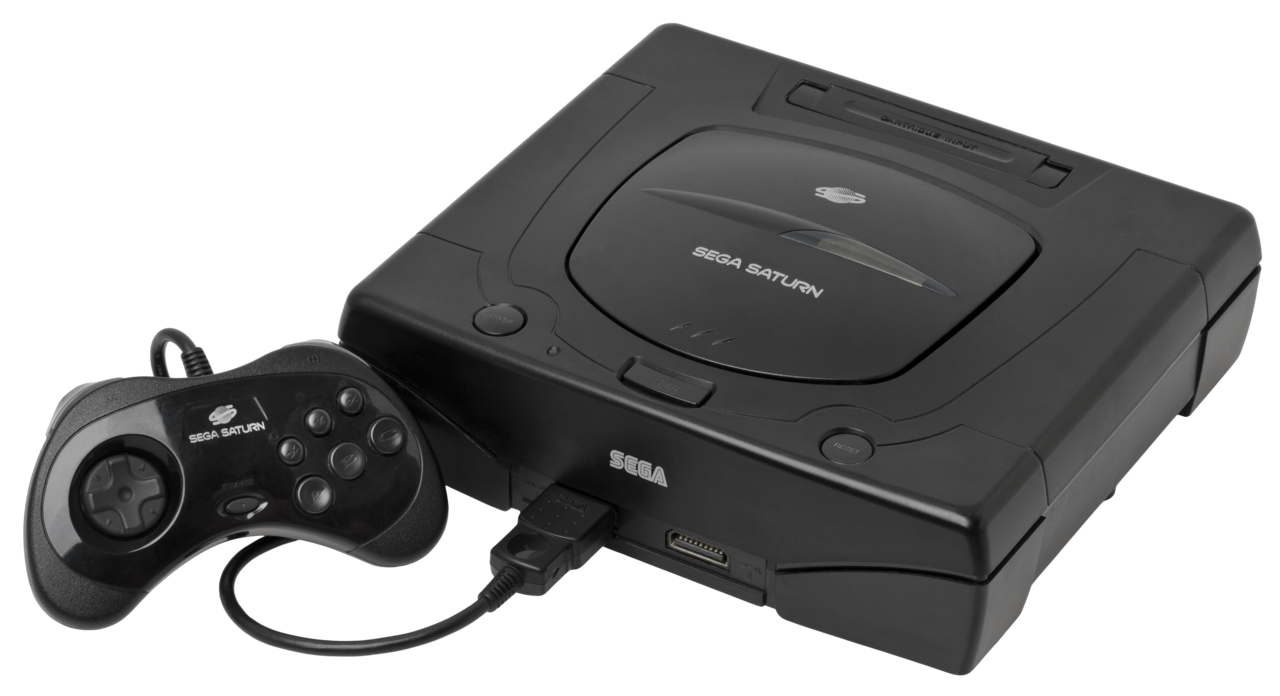


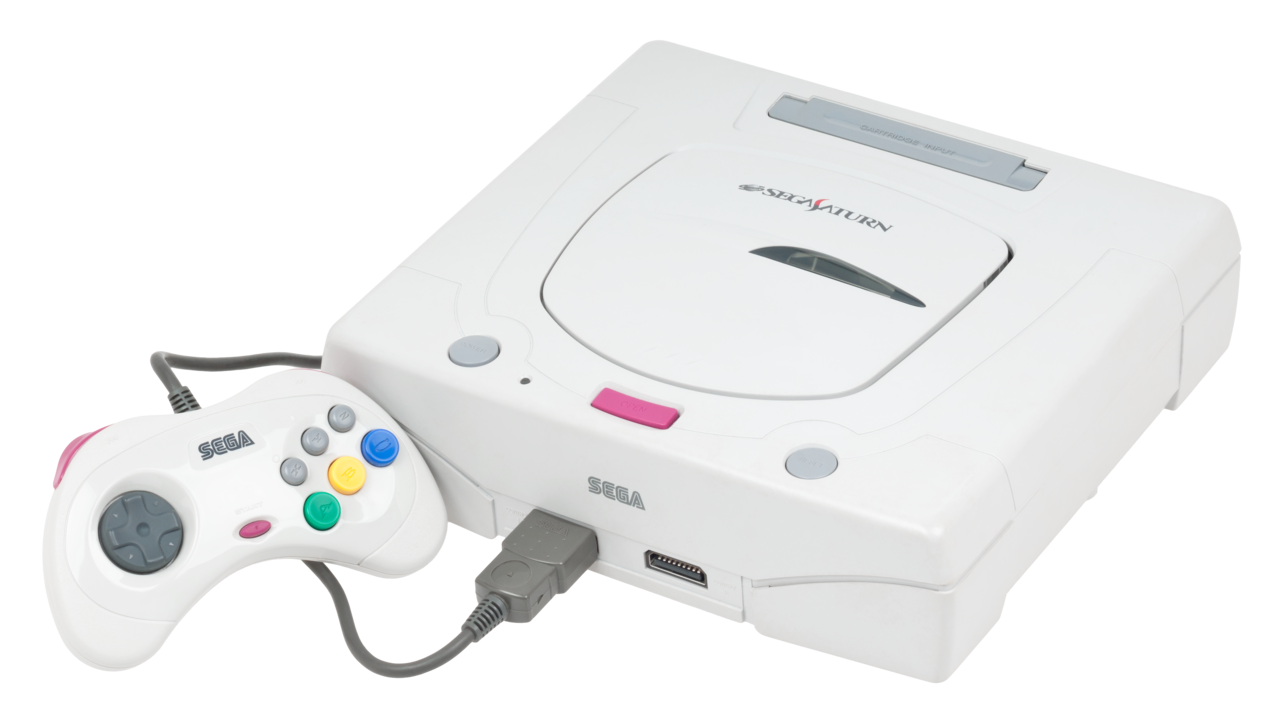

Hardware and design
The Saturn’s architecture combined multiple processors and dedicated video chips rather than a single, unified graphics unit. This design included dual main CPUs and separate video processing units for sprite and background handling, making it well suited to complex 2D effects and certain 3D techniques. The console used CD-ROM media and supported a range of peripherals such as an analog-style input device (analog controller), light guns and multi-player adapters.
History and market performance
Sega positioned the Saturn as a follow-up to its earlier consoles and released it during a rapidly evolving fifth-generation era. The system preceded the company’s next console, the Dreamcast. A combination of factors hurt Saturn’s mainstream success: a complex hardware environment that many developers found difficult to program, a controversial early North American launch, limited launch software in some regions, and fierce competition from rival consoles. Sales over the product’s commercial life were modest compared with competitors, and Sega eventually discontinued the platform as it shifted focus to later hardware.
Library, accessories and notable titles
Despite commercial challenges, the Saturn built a strong catalogue, especially in Japan, where it attracted arcade conversions, fighting games and niche genres. Notable examples include arcade-style 3D fighters and rail shooters, as well as distinctive original titles that remain highly regarded by enthusiasts.
- Accessories: light gun, multi-tap adapters, RAM expansion cartridges and several controller variations, including an analog pad and high-precision arcade-style pads.
- Software strengths: arcade ports, 2D fighting games, shoot ’em ups and experimental single-player titles.
Legacy and distinguishing points
The Saturn is often remembered for its technical ambition and its strengths in reproducing arcade experiences. Its multi-chip layout made it powerful in certain tasks but harder to develop for than some competing systems, which influenced third-party support. Over time the console acquired a devoted retro following, collectors and preservationists who praise unique games and high-quality ports. The system’s name itself drew a simple symbolic link to its place in Sega’s lineup — taking inspiration from the sixth planet, Saturn (the sixth planet).
Further reading
For more detailed histories, hardware breakdowns and lists of notable releases, see dedicated resources and fan archives (product page, company history, and regional launch notes in Japan and the U.S.: Japan, U.S.). Technical comparisons and discussions of the Saturn’s role in the emergence of 3D gaming are available through specialist retrospectives (3D graphics) and community sites that document accessories like the analog controller (analog controller) and successor consoles (Dreamcast).
Related articles
Author
AlegsaOnline.com Sega Saturn Leandro Alegsa
URL: https://en.alegsaonline.com/art/88555