
Video game console: overview, types, components, history and uses
An overview of video game consoles: their hardware, categories (home, handheld, hybrid), controllers, evolution, cultural impact, and examples, with links to related topics and software.
Overview
A video game console is a dedicated machine designed primarily to play video games. Most consoles are intended to connect to a television or other display device, often via HDMI or similar outputs, so they can be used in a living room or public space; when connected to a screen the console presents graphics, audio and interactive input to the player television. Consoles range from simple plug-and-play devices to complex systems that rival personal computers in performance.
Image gallery
10 Images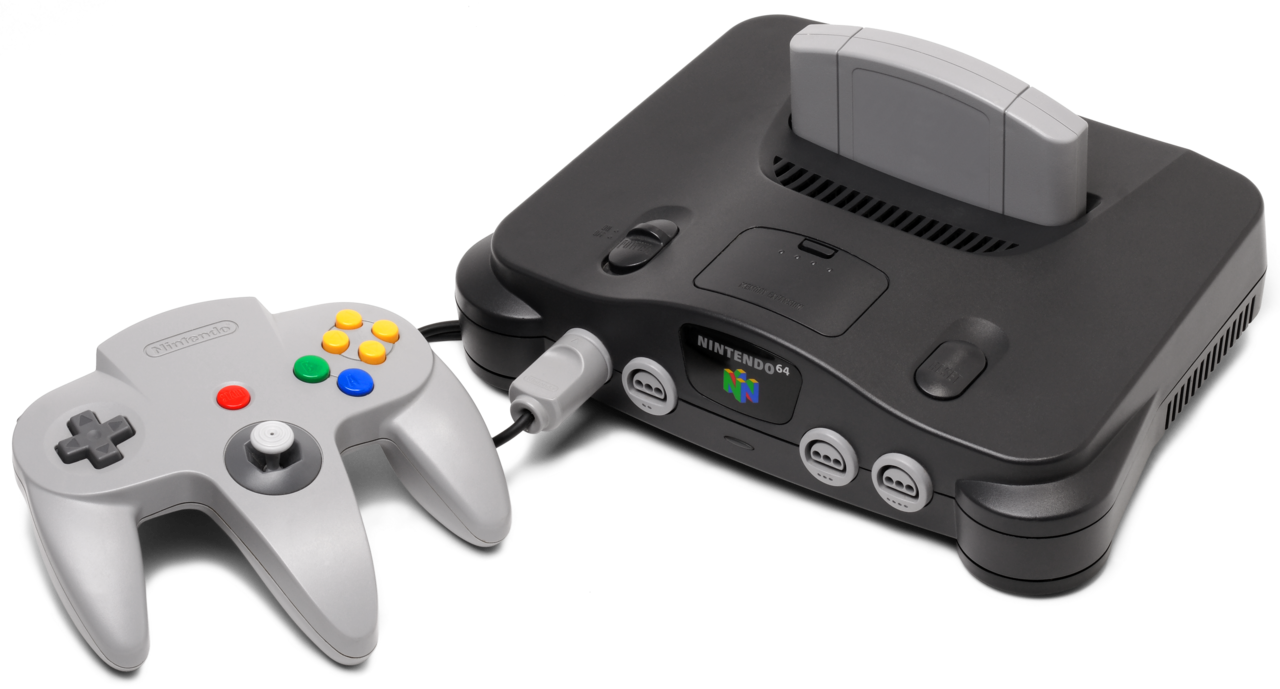


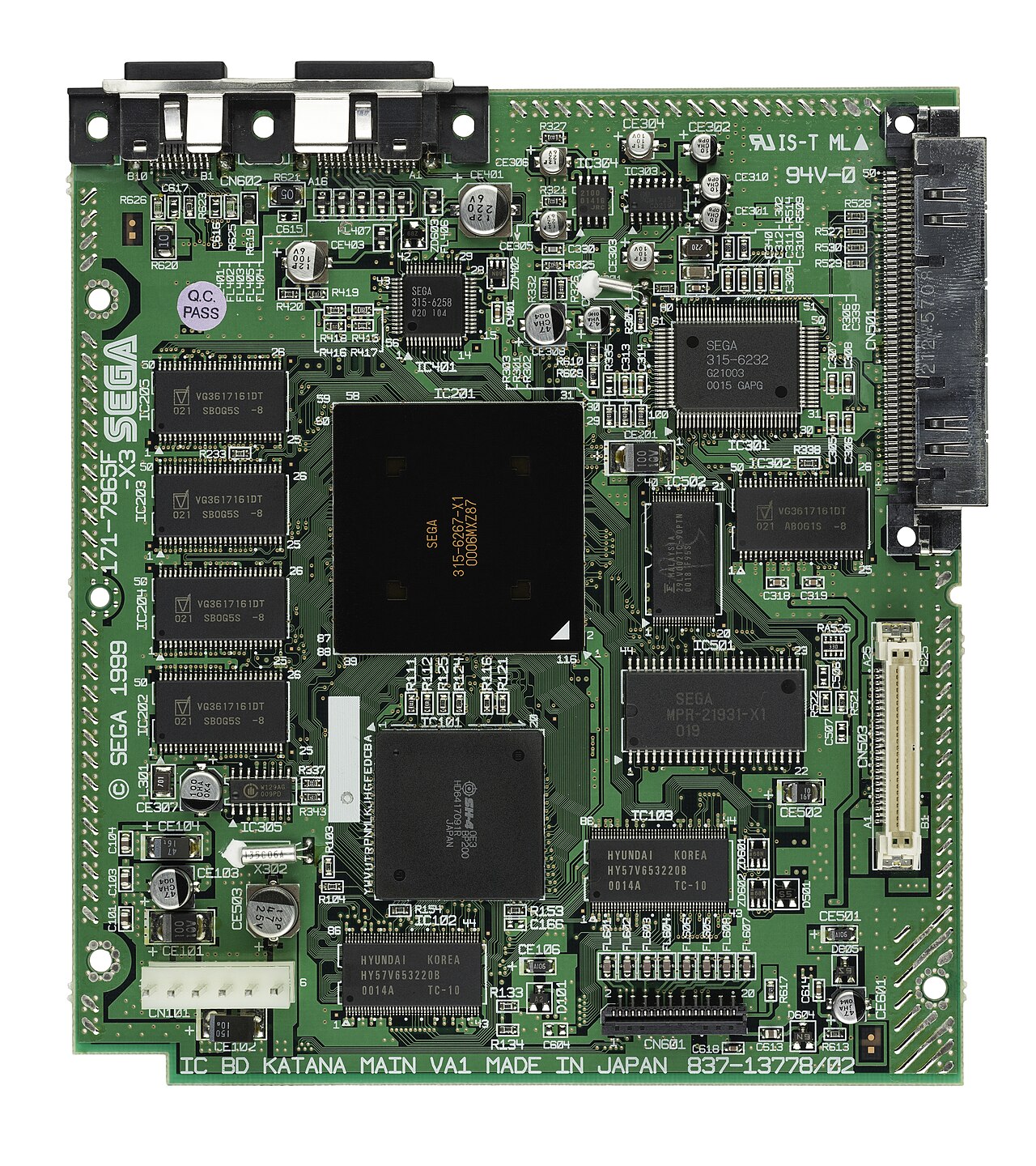

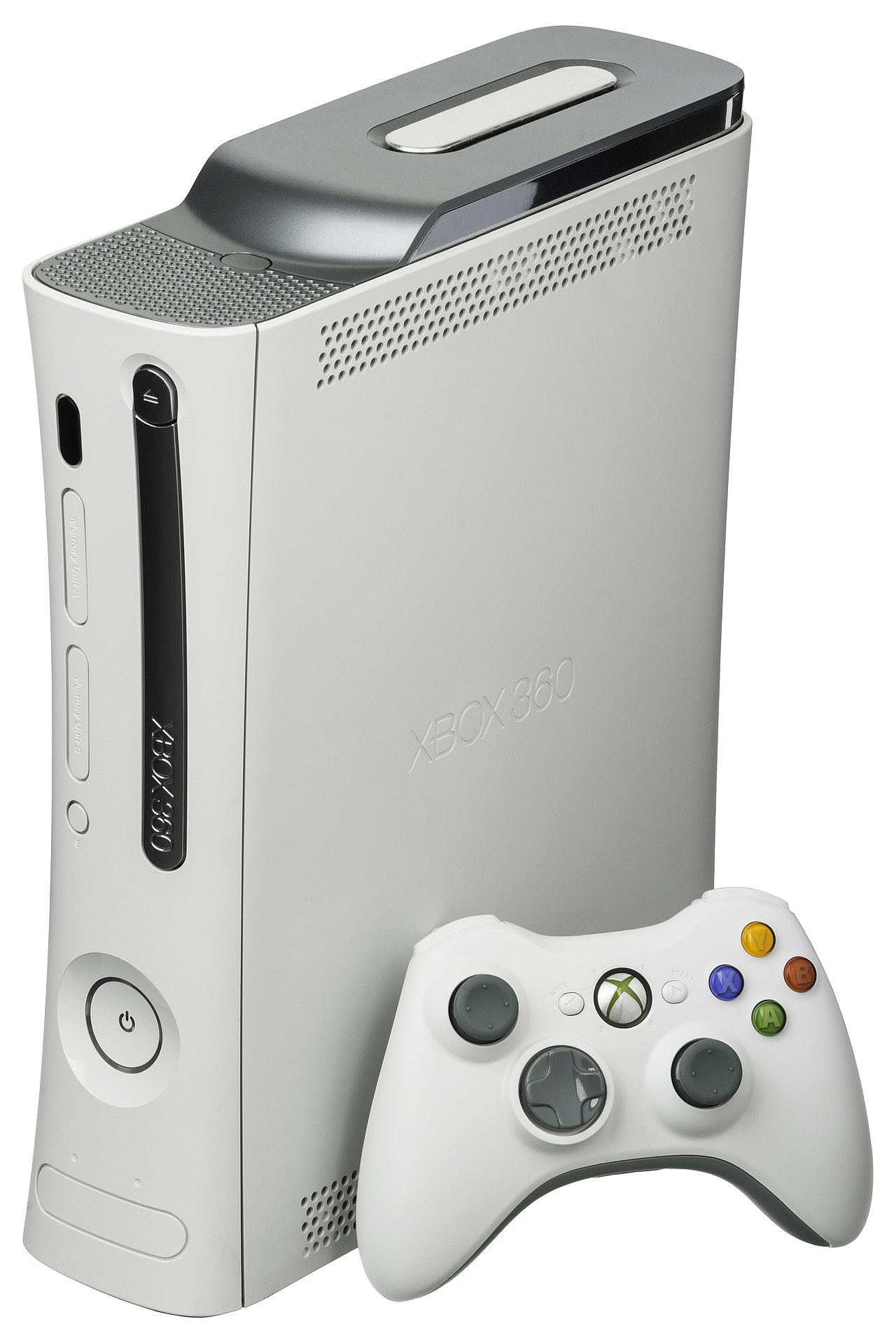

Hardware and components
Core parts include a central processor, graphics hardware, memory and storage, networking interfaces and one or more controller ports or wireless input receivers. Special-purpose input devices and controllers—gamepads, motion controllers, steering wheels and VR peripherals—translate player actions into in-game commands. Some consoles contain optical or cartridge drives while others use digital downloads.
Categories and examples
Consoles are commonly grouped by form factor:
- Home consoles: designed for use with external displays and living-room setups.
- Handheld consoles: portable units with built-in displays and controls; examples include the Nintendo DS and PlayStation Portable, which integrate screen, battery and input for play on the go screens.
- Hybrid consoles: devices that can operate as either portable or docked home systems.
History and development
From early dedicated systems and arcade conversions to multi-purpose platforms, consoles have evolved through generations defined by leaps in graphics, storage and connectivity. Manufacturers expanded ecosystems with online services, downloadable content and developer tools, shifting many business models toward digital distribution and live services.
Uses, software and notable facts
Beyond games, some consoles run general-purpose software and alternative operating systems; enthusiasts have demonstrated ports of other systems and distributions, and certain consoles can host software such as general applications or hobbyist projects including Linux. Consoles remain important culturally and economically: they influence game design, media consumption, competitive esports and local multiplayer social experiences.
Distinctions and considerations
When choosing or studying consoles, consider hardware capability, exclusive games, online services, backward compatibility and available peripherals. The ecosystem—manufacturers, developers and communities—shapes how a console is used and what it can become over its lifecycle. For further reading, see related entries and device-specific documentation controllers and platform pages hardware.
Related articles
Author
AlegsaOnline.com Video game console: overview, types, components, history and uses Leandro Alegsa
URL: https://en.alegsaonline.com/art/105031