
San José de Ocoa Province: geography, history, economy and culture
San José de Ocoa is a mountainous province of the Dominican Republic created in 2000. Its capital shares the name. The province is known for cool highland climate, agriculture (coffee, vegetables) and growing local tourism.
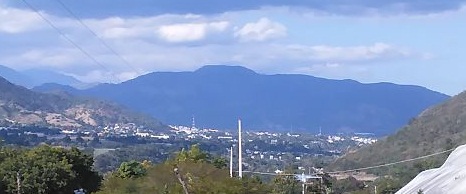
San José de Ocoa is an administrative province of the Dominican Republic, set on the southern slopes of the Cordillera Central (Central mountain range). The provincial capital is the town of San José de Ocoa, which functions as the political, commercial and cultural center of the territory. The landscape is dominated by steep valleys, ridges and agricultural terraces that contrast with lowland plains elsewhere in the country.
Image gallery
3 Images

Geography and climate
The province occupies a mountainous zone where elevation produces a noticeably milder climate than the coastal areas of the Dominican Republic. Temperatures can be cooler and rainfall patterns vary with altitude; higher areas receive more precipitation and sustain cloud forests and productive farmland. Rivers and streams descend from the highlands, supplying irrigation and shaping the narrow valleys where most settlements are located.
History and administration
San José de Ocoa was established as a separate province by law on 6 September 2000 and its creation took effect on 1 January 2001. Prior to that change, the main municipality and surrounding districts were part of the Peravia province. The reorganization responded to local administrative needs and to the desire for more direct provincial governance; the new province includes the capital and several subordinate municipal and district entities that manage local services.
Economy and land use
The economy of the province is largely agricultural and tied to its elevation and soils. Smallholder farms and cooperatives cultivate crops adapted to cooler highlands, and common products include:
- Coffee, grown at higher elevations and often sold to regional markets;
- Vegetables and legumes for local consumption and nearby cities;
- Fruits, tubers and fodder that support rural livelihoods.
Livestock raising, small-scale trade and seasonal migration of workers to other provinces also form part of the economic picture. In recent years, modest eco- and rural-tourism initiatives have developed around hiking, birdwatching and cultural visits to mountain communities.
Culture, transport and notable facts
Cultural life centers on municipal festivals, religious observances and traditional agriculture-based customs. The provincial capital hosts markets and public events that attract people from neighboring areas. Road access is typically by mountain routes connecting the valley towns to coastal highways; these roads can be winding and subject to weather-related impacts. San José de Ocoa is one of the country’s newer provinces and is often noted for its distinctive highland character within the national landscape.
Administrative links and further details about local municipalities and districts are maintained by Dominican government offices and regional planning bodies. For basic reference on territorial status and the provincial seat, see official notices that describe its separation from the municipality framework of the former province and the current provincial structure.
Questions and answers
Q: What is San José de Ocoa?
A: San José de Ocoa is a Dominican province located on the southern side of the Cordillera Central mountain range.
Q: When was it created?
A: San José de Ocoa was created on 6 September 2000.
Q: When did it become an official province?
A: It officially became a province on 1 January 2001.
Q: What was it before being raised to the category of province?
A: Before becoming a province, San José de Ocoa was a municipality of the Peravia province.
Q: Where is its capital located?
A: The capital of San José de Ocoa has the same name as the province itself, and is located within its boundaries.
Related articles
Author
AlegsaOnline.com San José de Ocoa Province: geography, history, economy and culture Leandro Alegsa
URL: https://en.alegsaonline.com/art/86844
Sources
- one.gob.do : "División Territorial 2012"
- censo2010.one.gob.do : "IX Censo Nacional de Población y Vivienda 2010"
- one.gob.do : "División Territorial 2015"
- one.gob.do : "REPÚBLICA DOMINICANA: Población por año calendario, según sexo y grupos quinquenales de edad, 2015-2020"
- geonames.org : "San José de Ocoa"