
San José Province (Costa Rica)
Central Costa Rica province containing the national capital; a political, cultural and economic hub situated in the Central Valley with diverse highland landscapes and urban areas.
Overview
San José is a central province of Costa Rica that houses the country's political and cultural core. The province surrounds and includes the metropolitan area of the city commonly called San José, which serves as the national capital. Its role as the main administrative and service center makes it a focal point for government, higher education, health care and commerce in the nation. For more on administrative boundaries see provincial information and for national context see Costa Rica.
Image gallery
6 Images


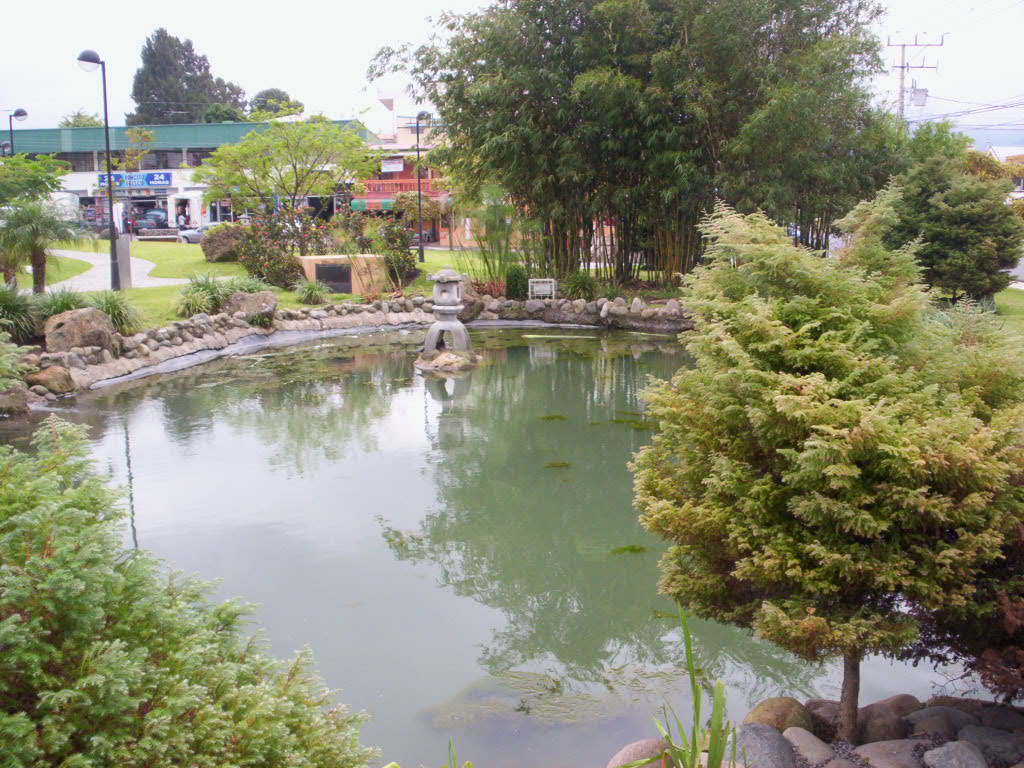

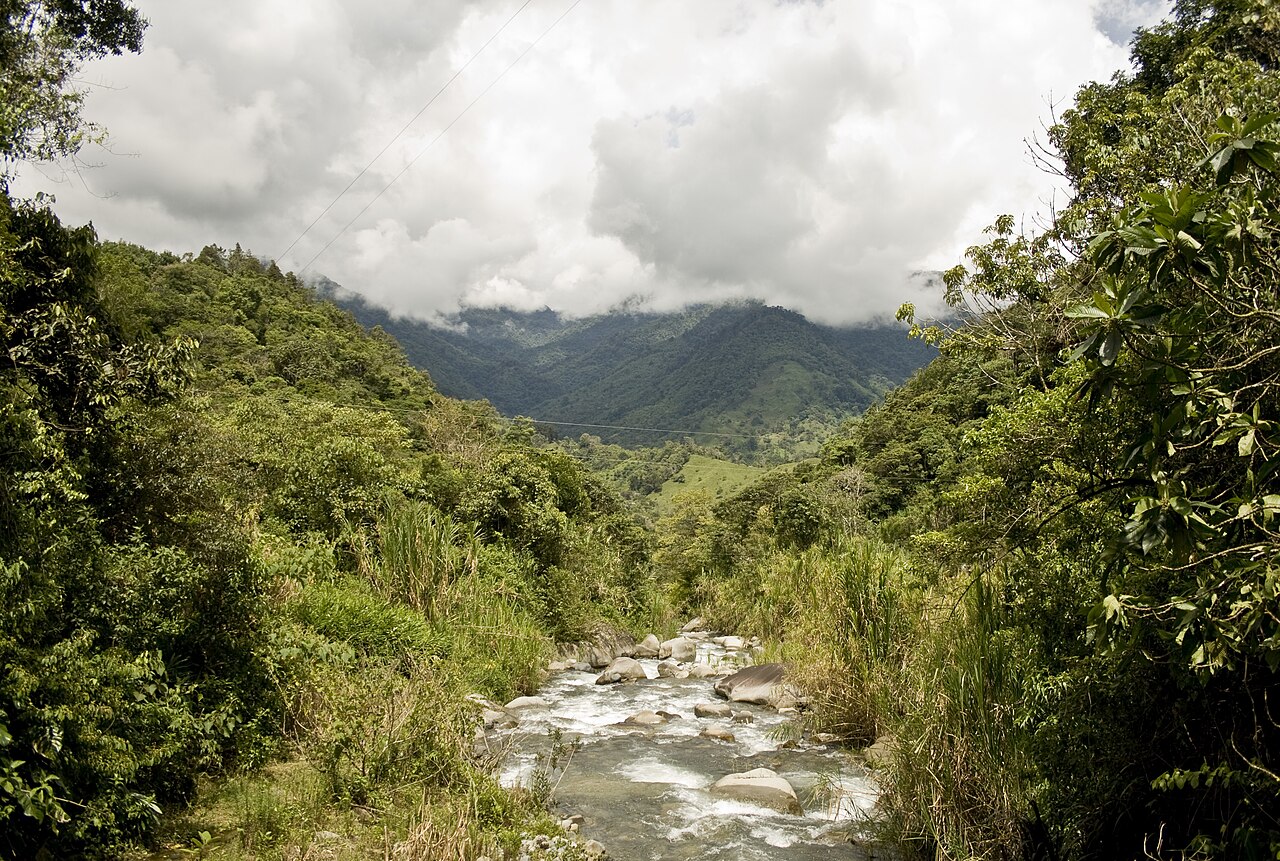
Geography and climate
Located in the central highlands, San José occupies part of the Central Valley and adjacent mountainous terrain. Elevation varies from valley floors to higher ridges and volcanic slopes, producing predominantly mild, temperate climates compared with the coastal lowlands. Fertile soils and a seasonally distinct wet and dry cycle have historically supported agriculture in rural zones while the valley has urbanized rapidly.
History and development
Originally inhabited by indigenous peoples of the central highlands, the area grew under Spanish colonial influence as settlements clustered where soils and transport routes converged. The city of San José became the national capital early in the republic's history (since 1823) and the surrounding province developed as the political and economic nucleus of the country. Urban expansion accelerated during the 19th and 20th centuries with the rise of export agriculture and later industrial and service sectors.
Administration and economy
The province is organized into cantons and districts that manage local services and planning. Economic activity is diverse: government and public administration, financial and professional services, education and health care predominate in the built-up metropolitan area, while outlying zones include manufacturing, commerce and remaining agricultural lands where crops such as coffee contributed to earlier growth. The city at its heart is often the first destination for visitors; see the city entry at San José and note its long-standing status as capital at national capital.
Culture, transport and points of interest
San José province hosts many of the country's cultural institutions, universities, museums and theaters. Public transit and road networks link the city to other provinces, and the wider metropolitan area contains administrative headquarters, hospitals and academic campuses. Travelers encounter an urban core of civic buildings and cultural venues, surrounded by suburban neighborhoods and green highland landscapes that are accessible for day trips and recreation.
Notable facts
- It is the political center of Costa Rica and a primary population center.
- Topography ranges from valley plains to higher volcanic slopes, creating varied local climates.
- Its mix of urban services and nearby natural landscapes makes it central to national life, economy and tourism.
Related articles
Author
AlegsaOnline.com San José Province (Costa Rica) Leandro Alegsa
URL: https://en.alegsaonline.com/art/86846
Sources
- commons.wikimedia.org : San José Province
- inec.go.cr : "Anuario Estadístico 2012 - 2013"
- guiascostarica.com : "Provincia: San José"
- gaceta.go.cr : "División Territorial Administrativa de la República de Costa Rica"