
San Diego, California: Coastal city, history, economy and culture
San Diego is a coastal city in southern California—the state’s second largest and one of the nation’s major military, research, and tourism centers, noted for mild climate, beaches, and a rich Spanish colonial history.
Overview
San Diego sits at the extreme southwest corner of the continental United States. It is the second largest city in the U.S. state of California and ranks among the country's largest municipalities as the eighth largest in the United States. European settlement began in 1769 with the establishment of a Spanish mission, making San Diego one of California's oldest cities. The city's government has a mayor–council structure; the mayor as of 2020 was Todd Gloria.
Image gallery
7 Images


Geography and climate
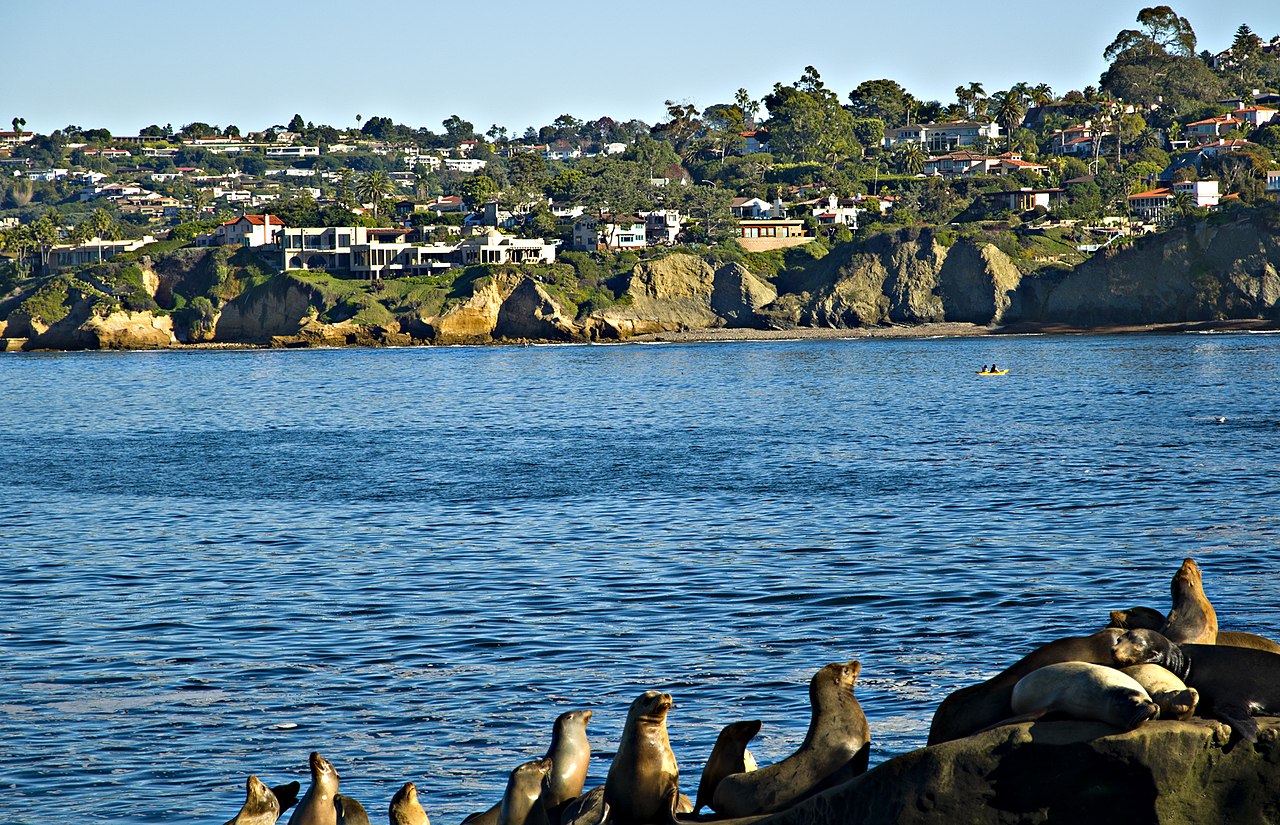
San Diego occupies a coastal plain backed by mesas and low mountains. The city fronts the Pacific Ocean and benefits from a temperate, mild Mediterranean climate with comfortable weather much of the year: warm, dry summers and cool, wetter winters. Shorelines and maritime influences moderate temperature swings, which has helped the city become a popular year‑round tourist destination.
History and culture
Originally home to Kumeyaay peoples, the area became a focal point of Spanish colonial activity after Mission San Diego de Alcalá was founded in 1769. That early mission and later American development shaped neighborhoods, parks and historic sites. Cultural institutions are concentrated in Balboa Park and downtown, and the city is widely known for attractions such as the San Diego Zoo and multiple museums, performing arts venues and festivals that reflect a mix of indigenous, Spanish, Mexican and American influences.
Economy, research and the military
San Diego's economy is diverse. Longstanding defense installations and shipyards support a major military presence; nearby bases and facilities have long been central to the regional economy. In addition, the city is a national hub for biotechnology, medical research and higher education. Prominent universities include San Diego State University and the University of California, San Diego, both of which contribute to research, innovation and workforce development.
Neighborhoods, attractions and sports
The metropolitan area contains a wide variety of neighborhoods and attractions. Notable coastal communities include La Jolla, Pacific Beach, Mission Beach, Ocean Beach and Coronado. Urban green space and museums are concentrated in Balboa Park, while the waterfront offers a working harbor, maritime museums and island communities. San Diego is also home to major professional sports: for example, the city supports Major League Baseball's San Diego Padres, a well‑known baseball franchise with a passionate local following.
Cross‑border region and transportation
San Diego forms a transborder metropolitan area with cities in Baja California; the city of Tijuana lies immediately across the international border. This proximity shapes the region's economy, culture and daily life, with extensive cross‑border commerce and commuting. The area is served by an international airport, a major port, and several land border crossings that together support tourism, trade and binational communities.
- Major institutions: universities, research centers, naval bases and port facilities.
- Key attractions: beaches, Balboa Park, world‑class zoo, museums and historic missions.
- Regional character: a blend of coastal lifestyle, military tradition, scientific innovation and cross‑border culture.
For visitors and residents alike, San Diego is defined by its coastal geography, historical roots dating to 1769, and an economy that mixes defense, research and tourism—creating a city with distinct neighborhoods, outdoor life and a significant role in the broader Pacific Southwest region.
Related articles
Author
AlegsaOnline.com San Diego, California: Coastal city, history, economy and culture Leandro Alegsa
URL: https://en.alegsaonline.com/art/86792
Sources
- sandiego.gov : "Office of the City Attorney"
- sandiego.gov : "City of San Diego Official Website"