
Gay (sexual orientation)
Gay describes a person who is sexually and often romantically attracted to people of the same sex. The term has personal, social, cultural, and historical dimensions and is distinct from gender identity.
Overview
Gay is a common term for a person who is primarily homosexual, meaning they experience enduring patterns of sexual attraction to people of the same sex. In many contexts the word also implies romantic attraction; for nuances of emotional orientation see romantic orientation. People who identify as gay may be men attracted to men or women attracted to women, though in some languages and communities the term is used more often for men while women are frequently described as lesbian.
Image gallery
5 Images


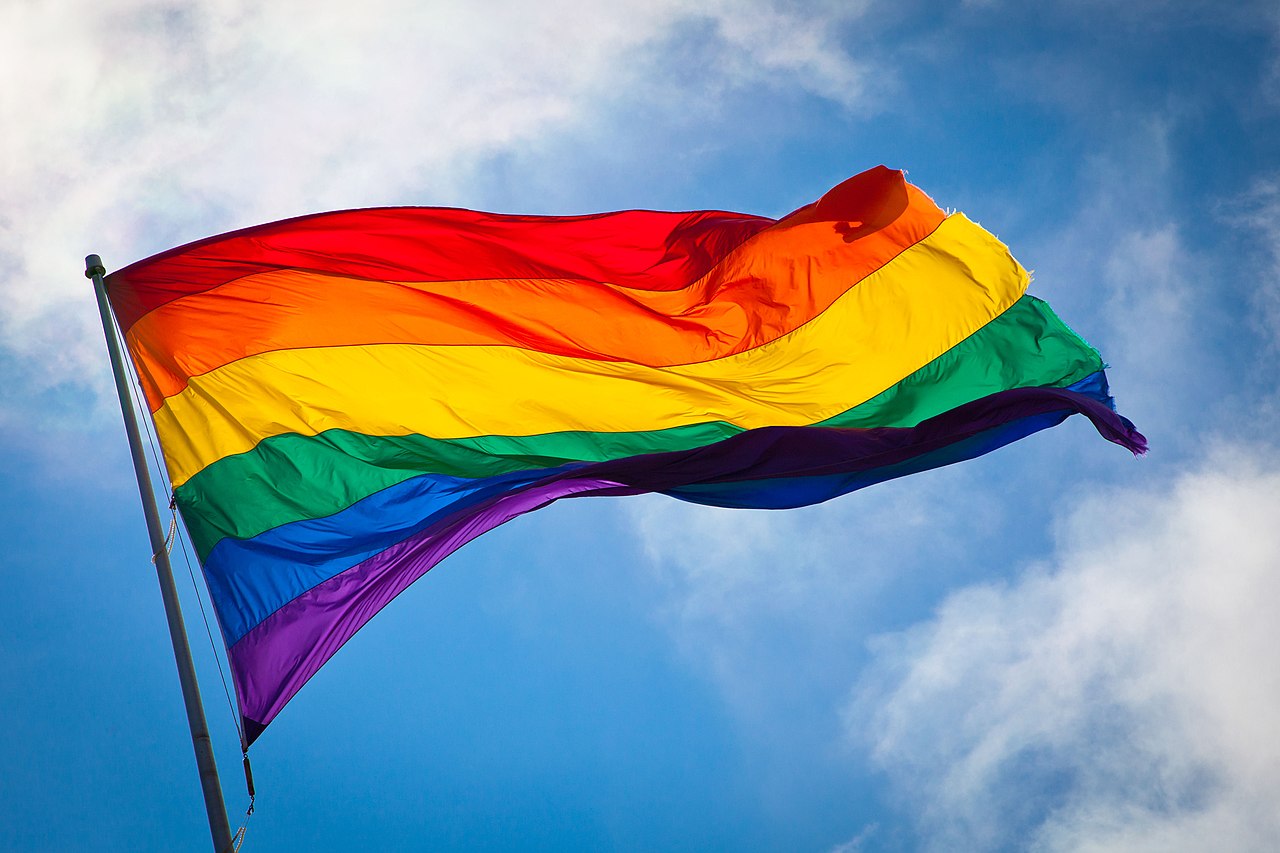

Aspects of sexual orientation
Sexual orientation can involve several related components: identity (the label a person chooses), attraction (who they are emotionally or sexually drawn to), and behavior (the people with whom they have relationships). These components do not always align: some people experience same-sex attraction but do not adopt a gay identity, while others identify as gay for social or political reasons even if their behavior or attractions change over time.
- Identity: personal and social meaning attached to the label gay, lesbian, bisexual, queer, or other terms.
- Attraction: sexual and/or romantic feelings directed toward one or more genders.
- Behavior: sexual activity or partnerships that may or may not reflect identity or attraction.
Terminology and distinctions
It is useful to distinguish "gay" from related terms. Heterosexual refers to attraction to people of a different sex, while bisexual denotes attraction to more than one gender. "Queer" is sometimes used as an umbrella or reclaimed identity that includes gay people but can carry political or cultural connotations. Language and labels vary by region, generation, and personal preference, so respectful communication follows how individuals describe themselves.
History and changing usage
Historically, the English word "gay" originally meant "happy" or "carefree". Over the 20th century its primary social meaning shifted toward describing same-sex attraction in many English-speaking communities, and by the mid-20th century it was widely used in this sense. The word has also been used pejoratively; in response, many gay people and supporters have reclaimed it as a positive identity label. Attitudes and vocabulary continue to evolve.
Social life, culture, and community
People who identify as gay often form social networks and communities that share cultural expressions, values, support systems, and institutions. Gay communities have contributed to arts, literature, activism, and public health efforts. Social practices may include chosen families, community gatherings, and celebrations such as Pride events, which commemorate activism and demand equal rights.
Coming out and mental health
"Coming out" refers to the process of recognizing and sharing one’s sexual orientation with others. This process can be an important part of identity formation but may also carry risks depending on social acceptance and legal protections. Supportive environments and access to community resources are linked to better mental health and well-being for gay people. Conversely, discrimination, stigma, or rejection can increase stress and adverse health outcomes.
Legal and social recognition
Legal recognition of relationships, anti-discrimination protections, and social acceptance for gay people vary across countries and cultures. In some places laws and public policies protect equal rights in employment, housing, and marriage; in others, gay people may face criminalization or limited civil protections. Activism and advocacy have been central to changes in law and public opinion in many regions.
Careful use of language
Because "gay" has been used both as a neutral descriptor and as a slur, tone and context matter. Use language that respects how people self-identify, and avoid using sexual orientation as a pejorative. When in doubt, follow an individual’s stated identity and prefer inclusive terms when addressing groups.
Further information and resources
For reliable, up-to-date information about sexual orientation, social history, and health, consult reputable health organizations, community groups, and educational resources. Related topics: homosexual, sexual attraction, romantic, heterosexual, bisexual, lesbian.
Questions and answers
Q: What is the definition of the word "gay"?
A: "Gay" is a word used to describe someone who is homosexual and is sexually and romantically attracted to people of the same sex.
Q: What is the difference between a gay person, a heterosexual person, and a bisexual person?
A: A gay person is someone who is attracted to people of the same sex, while a heterosexual person is someone who is attracted to people of the opposite sex. A bisexual person is someone who is attracted to both people of the same sex and the opposite sex.
Q: Can "gay" be used to describe both homosexual men and women?
A: Yes, "gay" can be used to describe any homosexual person, whether male or female. However, sometimes "gay" is used specifically to describe homosexual men while homosexuals women are referred to as "lesbian."
Q: What did "gay" used to mean in the early 20th century?
A: In the early 20th century, "gay" used to mean happy or carefree.
Q: Can the word "queer" be used interchangeably with "gay" when describing someone's sexuality?
A: Yes, sometimes "queer" is used interchangeably with "gay" when talking about someone's sexuality.
Q: What does it mean to be romantically interested in someone of the same sex?
A: To be romantically interested in someone of the same sex means that a person is attracted to and has emotional feelings for someone of the same gender.
Q: What is the opposite of being gay?
A: The opposite of being gay is being heterosexual, which means being attracted to someone of the opposite gender.
Author
AlegsaOnline.com Gay (sexual orientation) Leandro Alegsa
URL: https://en.alegsaonline.com/art/37786