
San Gimignano — Tuscan hill town of medieval towers and Vernaccia
Historic hill town in Tuscany known for its preserved medieval towers, Romanesque churches and frescoes, panoramic hilltop setting, and the white wine Vernaccia di San Gimignano.
Overview
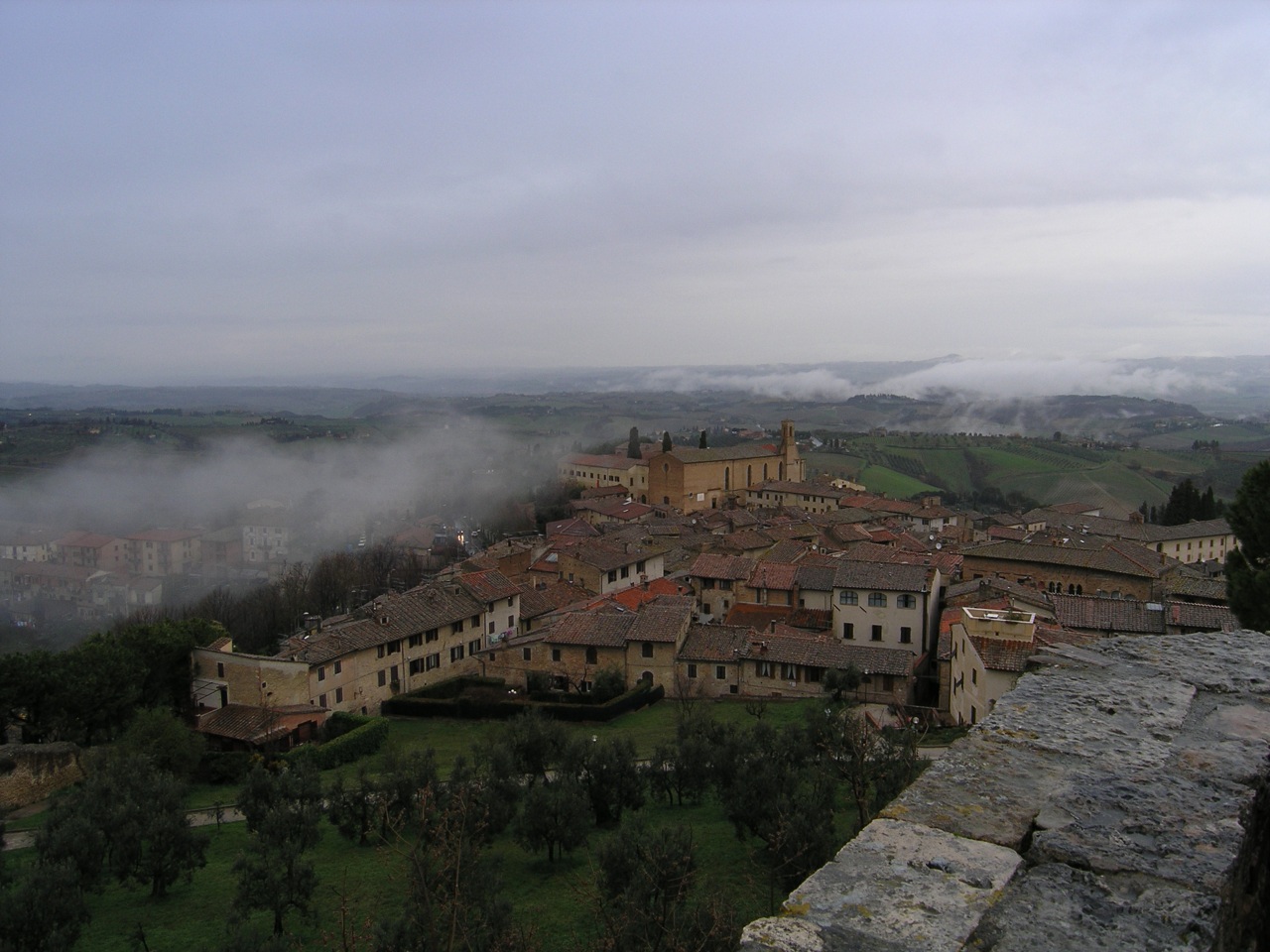
San Gimignano is a small fortified hill town in the rolling countryside of Tuscany, in the province of Siena, Italy. The compact historic centre is famous for its skyline of medieval stone towers set above narrow streets and public squares. The town's atmosphere, architectural ensemble and surrounding vineyards make it a prominent destination for visitors interested in medieval urbanism, art and rural Tuscan landscapes.
Image gallery
10 Images




Character and architecture
The town preserves notable Romanesque and Gothic buildings, civic palaces and religious interiors. Its towers were erected between the 11th and 14th centuries as homes, strongholds and status symbols for powerful families; a reduced but impressive collection still defines the skyline. Important urban spaces include the triangular Piazza della Cisterna and the civic centre around the cathedral square. The Collegiate Church contains extensive fresco cycles and decorated chapels that illustrate local devotional and artistic traditions.
History and heritage
San Gimignano developed as a market and defensive settlement along routes that linked Florence and Siena, growing in prosperity in the Middle Ages through trade and local patronage. Because it underwent relatively limited modern rebuilding, much of the medieval fabric survives. The historic centre is recognised for its authenticity and heritage value and is frequently cited in studies of medieval urban form and conservation. For discussion of its medieval legacy see resources on medieval heritage and specific studies of tower architecture.
Culture, wine and economy
The surrounding countryside supports vineyards, olive groves and small-scale farming. The town lends its name to Vernaccia di San Gimignano, a white wine produced locally and widely associated with the area. Tourism, artisan crafts and agriculture are central to the local economy; visitors encounter museums, workshops and regional gastronomy that reflect the town's Tuscan identity.
Visiting and practical information
Visitors typically combine walking the medieval streets, visiting churches and museums, and climbing one of the public towers for panoramic views; the highest accessible tower offers broad vistas over the surrounding hills. Practical information, maps and visitor services are available through the town guide and regional portals: consult the town guide, provincial pages at province information, or national travel overviews at Italy travel when planning a visit.
- Key sites: Collegiate Church, Piazza della Cisterna, civic palaces and surviving towers.
- Local specialities: Vernaccia wine and traditional Tuscan cuisine.
- Conservation: ongoing efforts preserve streetscapes and frescoed interiors for study and tourism.
Questions and answers
Q: Where is San Gimignano located?
A: San Gimignano is a hill town in the province of Siena, Tuscany, Italy.
Q: What is San Gimignano famous for?
A: San Gimignano is famous for its medieval towers and for the wine called "Vernaccia di San Gimignano".
Q: How many towers are in San Gimignano?
A: San Gimignano has 14 medieval towers.
Q: What type of wine is famous from San Gimignano?
A: "Vernaccia di San Gimignano" is a famous wine from San Gimignano.
Q: Is San Gimignano a big or a small town?
A: San Gimignano is a small town.
Q: What province is San Gimignano located in?
A: San Gimignano is located in the province of Siena.
Q: What region is San Gimignano located in?
A: San Gimignano is located in Tuscany, Italy.
Related articles
Author
AlegsaOnline.com San Gimignano — Tuscan hill town of medieval towers and Vernaccia Leandro Alegsa
URL: https://en.alegsaonline.com/art/86832