
Salt mine: geology, methods, history and uses
An accessible overview of salt mines: geology (halite), extraction methods, historical role, modern uses, reuse of workings and safety considerations for rock-salt deposits and operations.
Overview
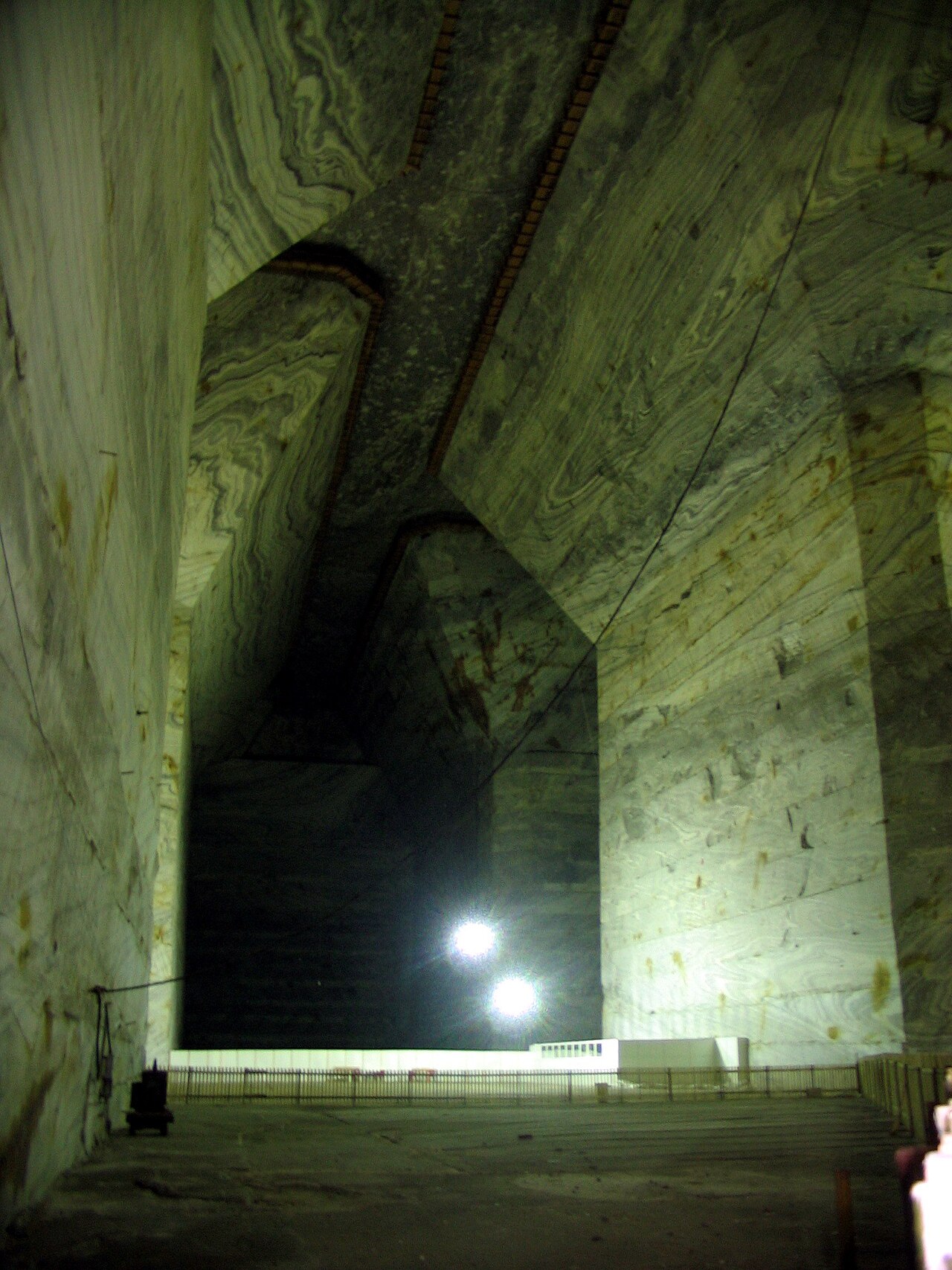
A salt mine is an underground excavation where rock salt (halite) is extracted from the earth. Unlike a salt evaporation pond, which concentrates salt from salt water by evaporation, a salt mine removes solid deposits that formed by the evaporation of ancient seas or by movement of salt within the crust. These deposits often appear as beds, layers or domes in sedimentary basins and can be found beneath plains or in uplifted regions such as mountains.
Image gallery
7 Images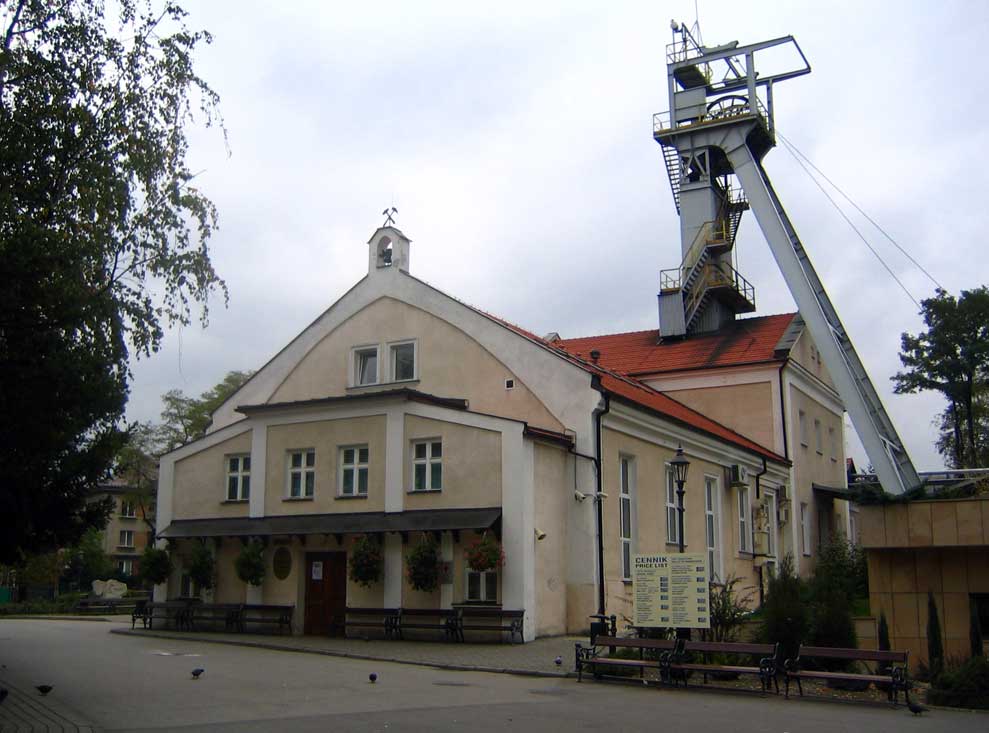
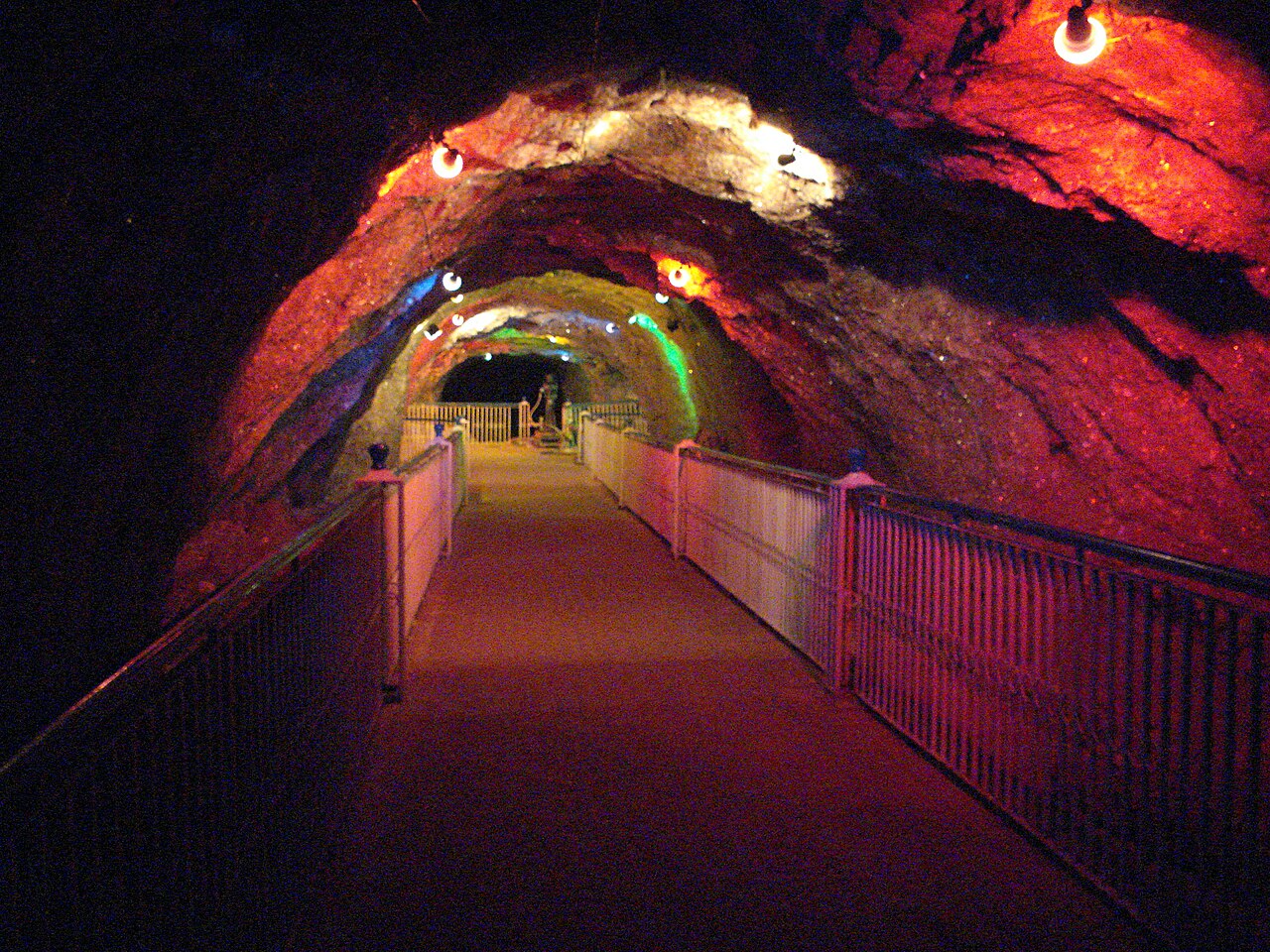

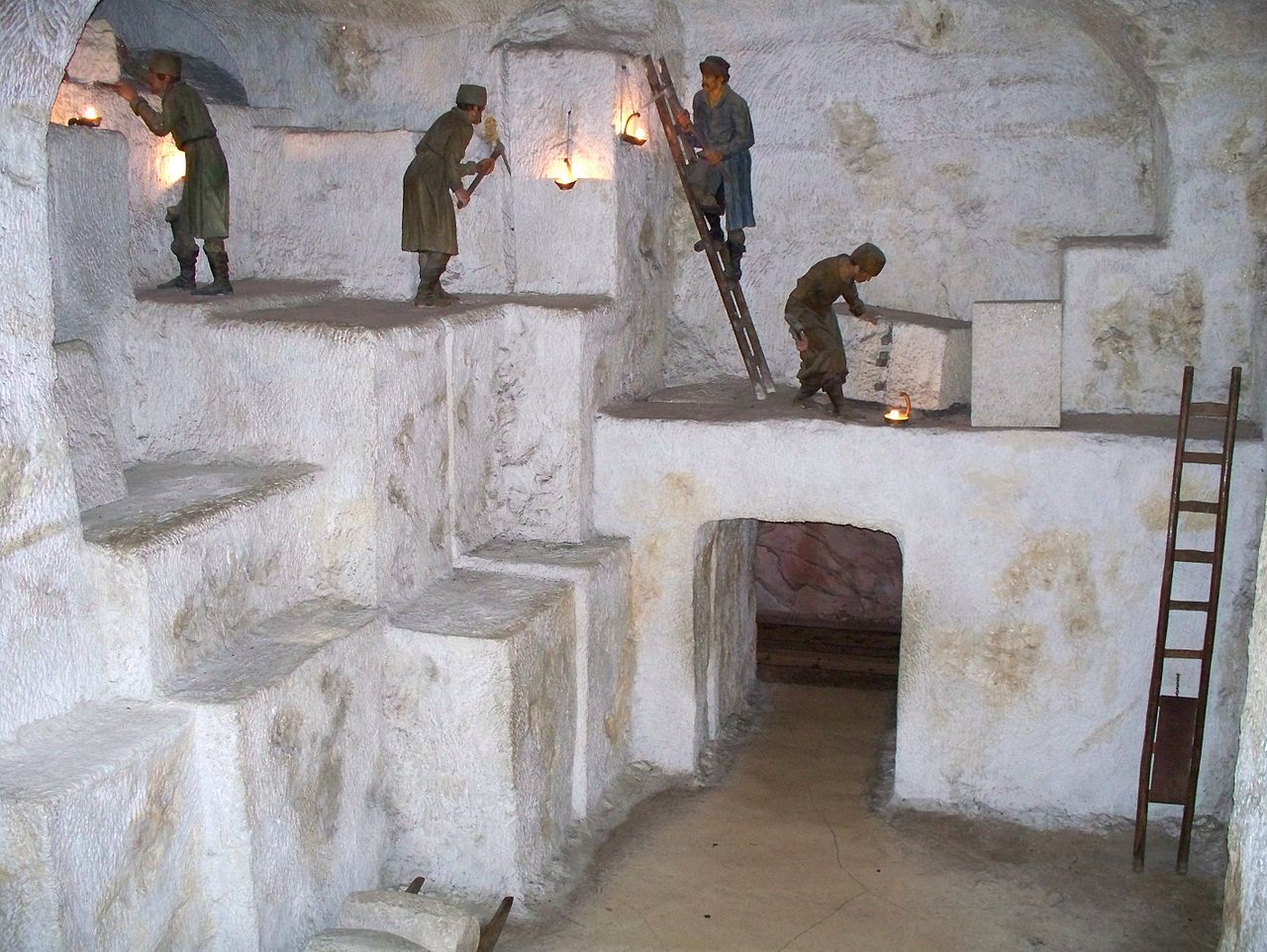
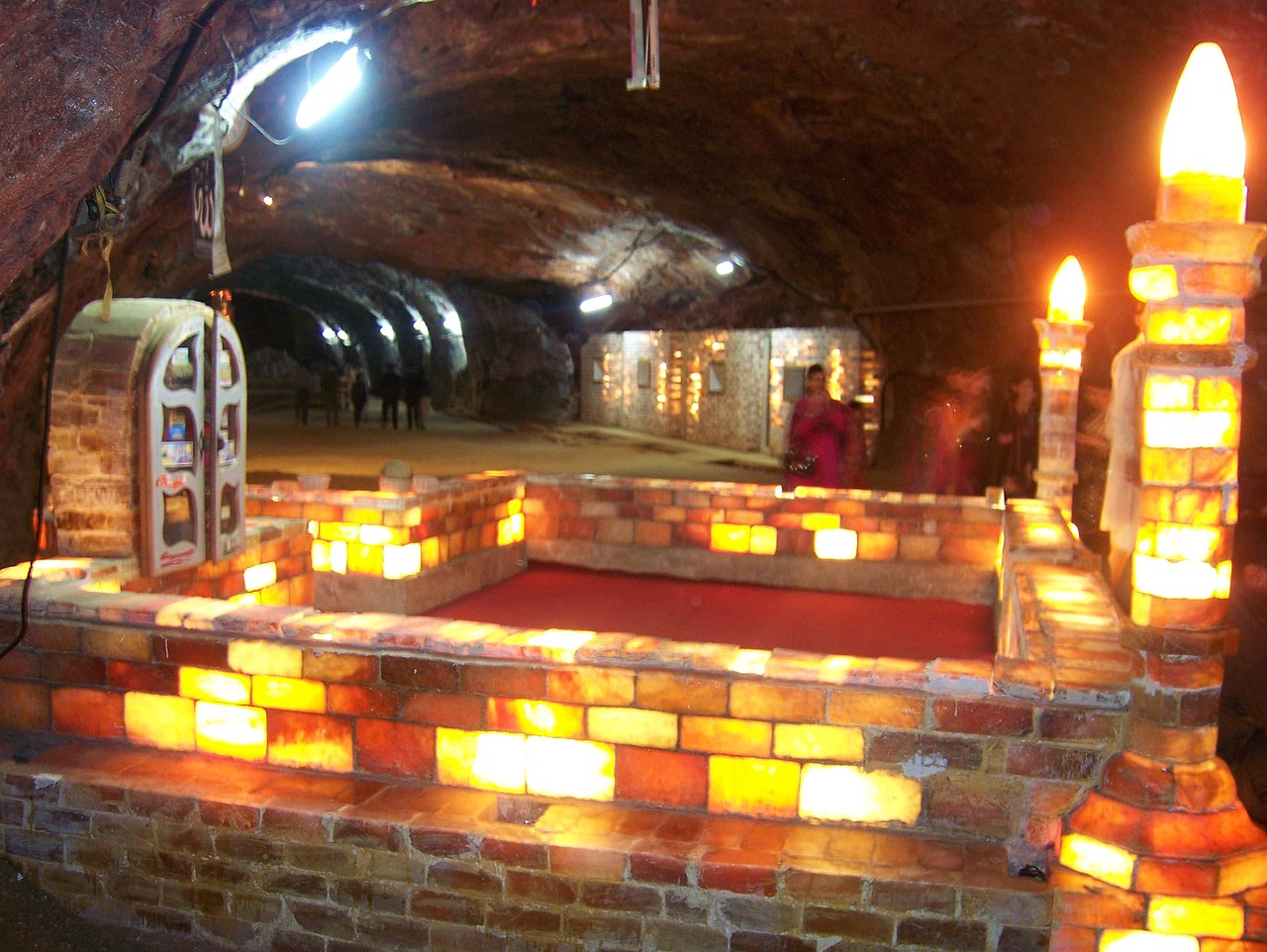

Composition and structure
Rock salt is primarily sodium chloride but commonly contains other minerals and impurities such as potassium salts, gypsum and anhydrite. Deposits are commonly called halite and may be interbedded with other rock types. Salt layers can be very thick and laterally extensive; in some geological settings salt has flowed plastically to form domes. Naturally occurring mixtures of chlorides and sulfates are typical, so mined material often requires processing before use.
Extraction methods
There are several widely used ways to recover salt from the ground:
- Underground mining — conventional methods such as room-and-pillar or cut-and-fill create caverns and corridors to remove solid salt using drilling and blasting or mechanical cutting.
- Solution mining — water is injected to dissolve salt and the resulting brine is pumped to the surface for evaporation or chemical treatment.
- Borehole leaching — a variation where long boreholes access deep seams and brine is retrieved without large excavated openings.
History and social importance
Salt extraction has been important since antiquity. Salt’s role in food preservation, seasoning and as a trade commodity shaped settlements, trade routes and taxes. In many cultures salt was strategic; access to salt resources influenced economies and conflict. Historically, labour in mines could be arduous and dangerous — ancient states, including the Romans, sometimes condemned prisoners to hard labour in mines.
Modern uses and secondary functions
Salt from mines supplies table salt, industrial feedstocks (for chlorine and caustic soda), de-icing agents for roads and raw material for chemical industries. Abandoned or purpose-built salt caverns are also used for storage: commercial goods, hydrocarbons, and in some cases hazardous materials. Some salt formations have been proposed or adapted for long-term storage of waste because of their low permeability and self-sealing properties, though such uses require careful engineering and regulation — particularly when nuclear or hazardous wastes are involved.
Risks, management and notable facts
Working in or near salt mines carries hazards including roof collapse, flooding from groundwater or brine intrusion, subsidence at the surface and health risks from dust and humidity. Mines require engineered supports, water control and monitoring. Finished mine chambers can be repurposed for storage or tourism; some historic mines are major cultural sites and visitor attractions. Geologically and economically, salt remains a widely produced mineral with continuing importance for food supply and industry, while the legacy of old workings presents opportunities and challenges for modern land use and waste management.
Further reading and technical resources are available from geological surveys and mining authorities; specific projects and safety standards are governed by national regulations and engineering practice. For basic definitions see a mining mine overview and common references about salt composition and handling. For environmental aspects consult specialist sources on chlorides and water interactions in salt environments.
Related articles
Author
AlegsaOnline.com Salt mine: geology, methods, history and uses Leandro Alegsa
URL: https://en.alegsaonline.com/art/86549